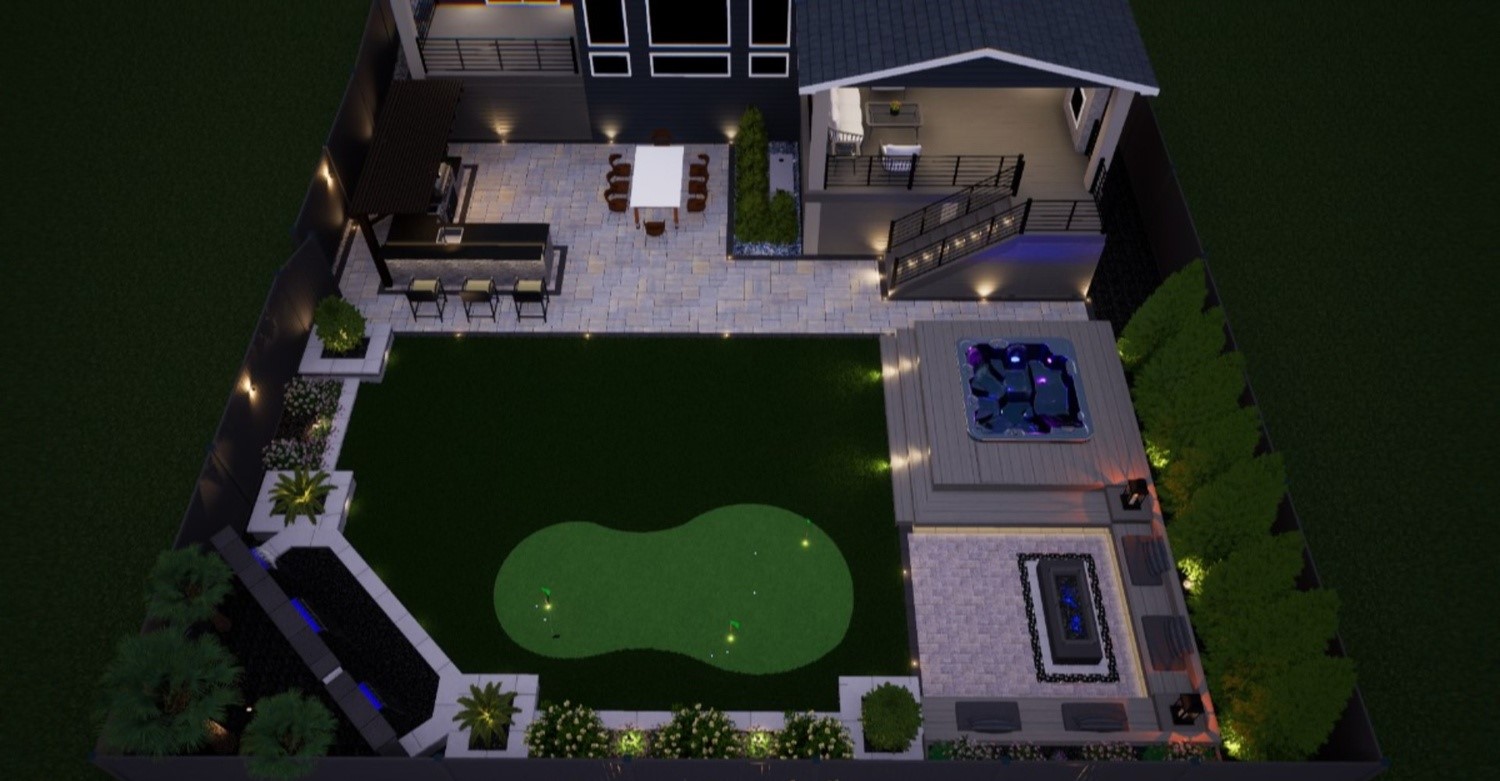
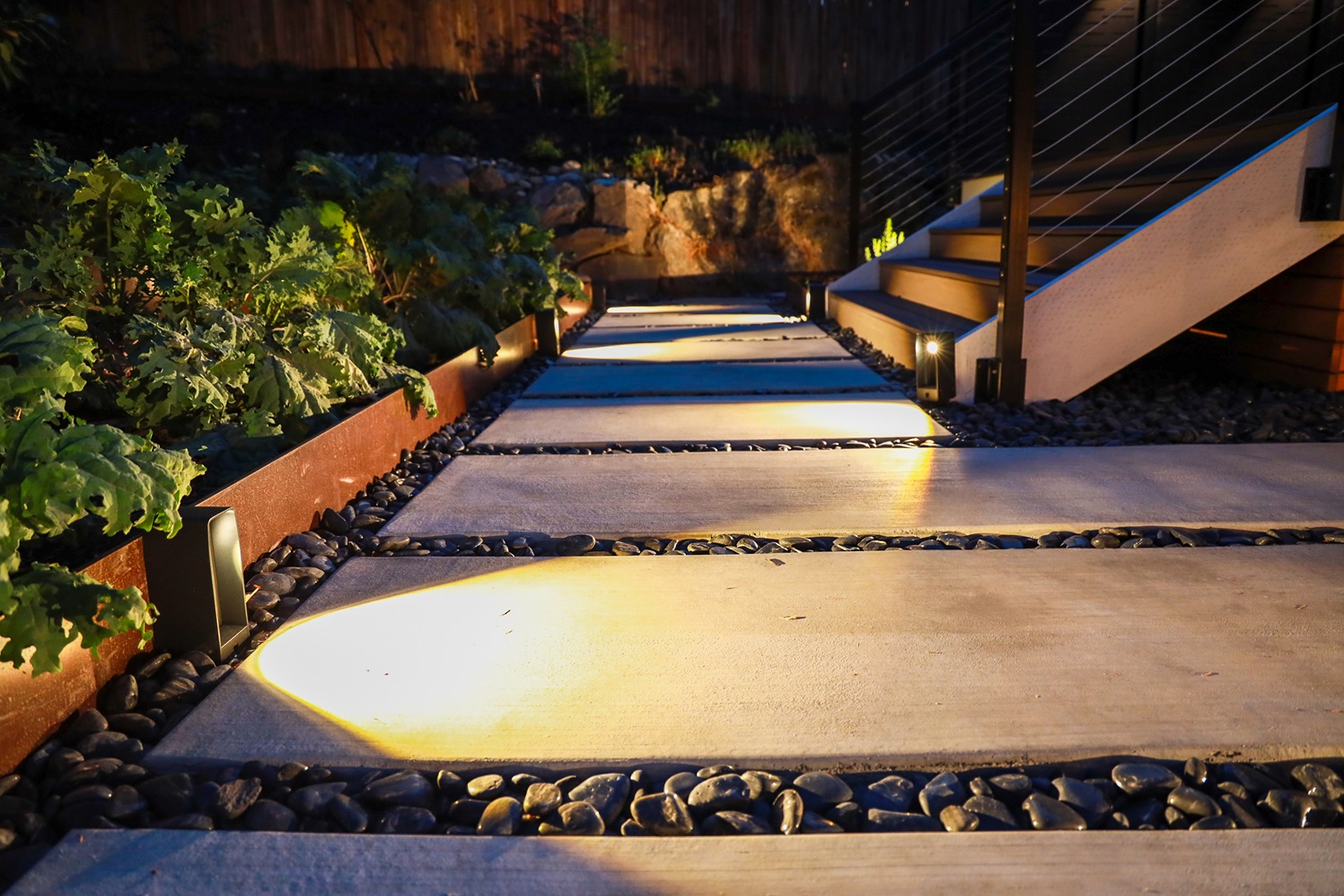
Angkorscape sets the standard for outdoor living across King, Pierce, and Snohomish County. We specialize in custom landscape design and build, transforming backyards into luxury spaces through exceptional service, unparalleled craftsmanship, and a process designed around your budget from day one.
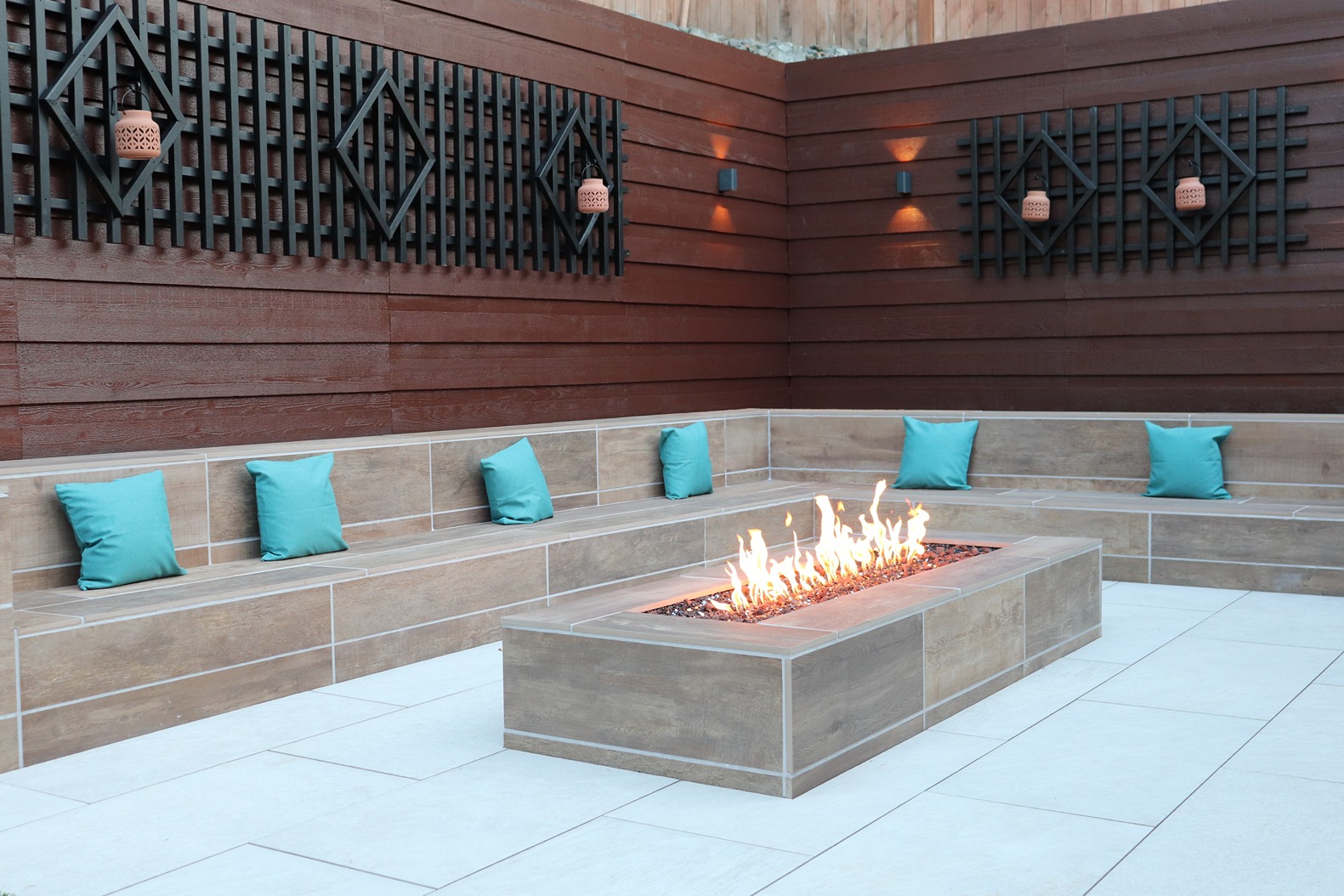
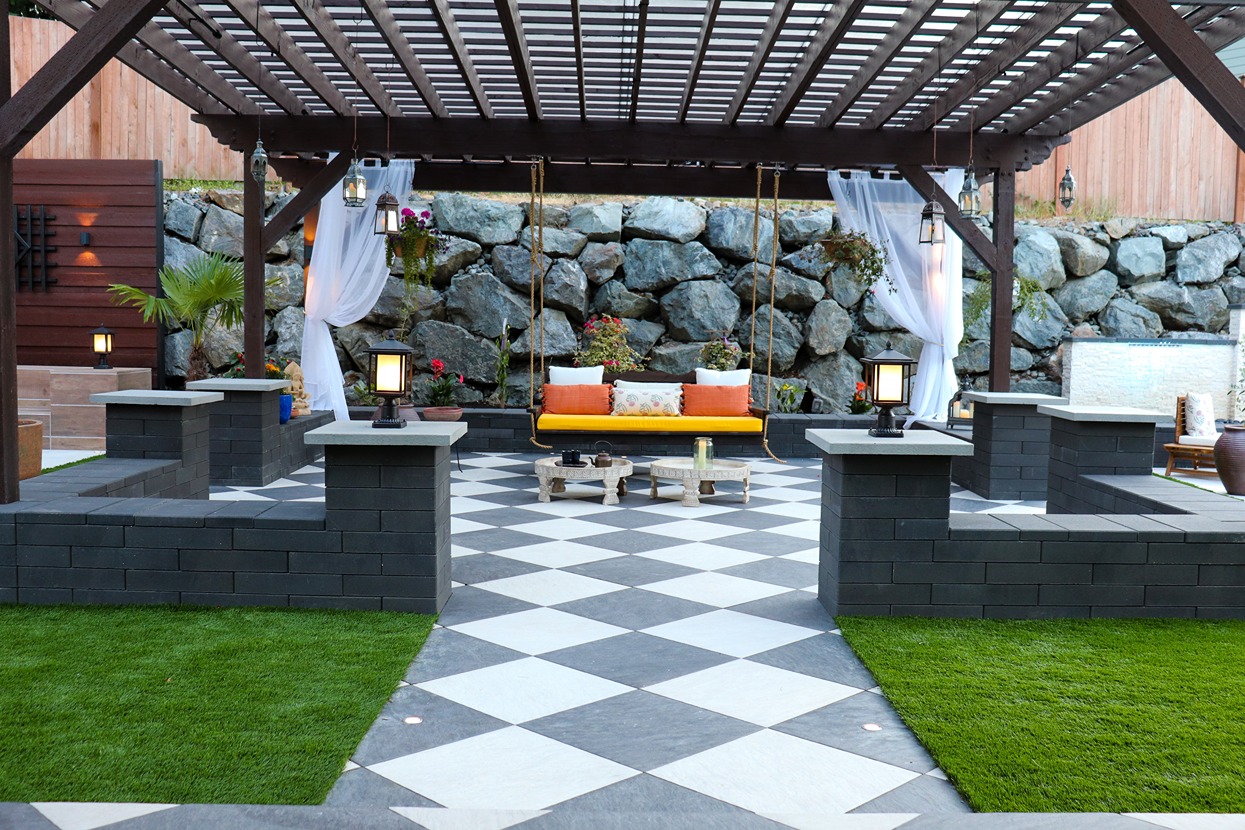
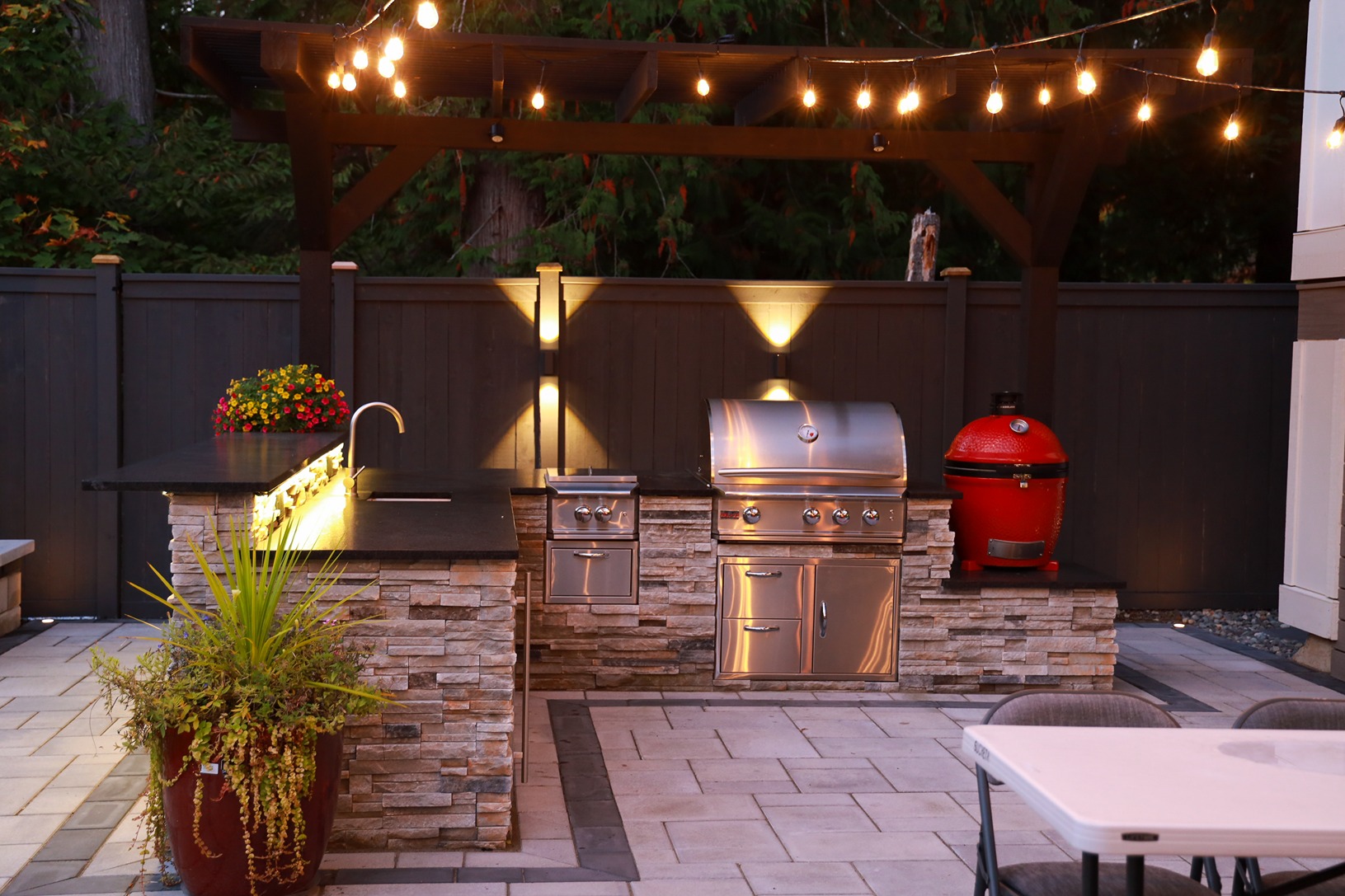

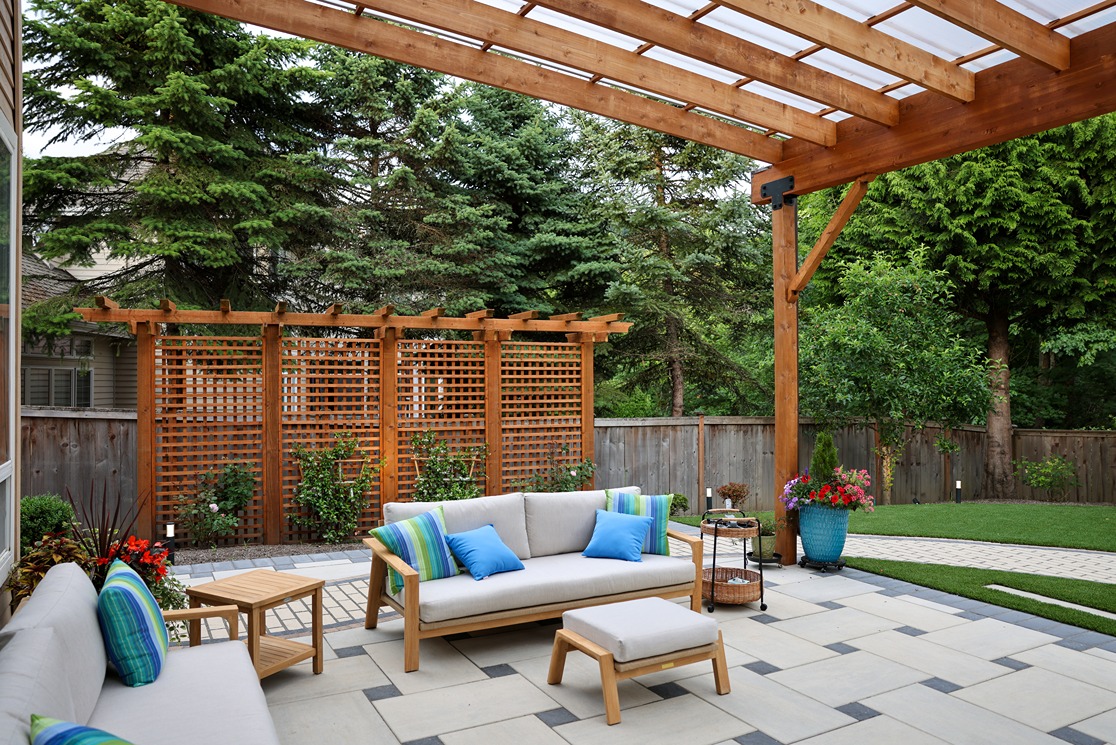
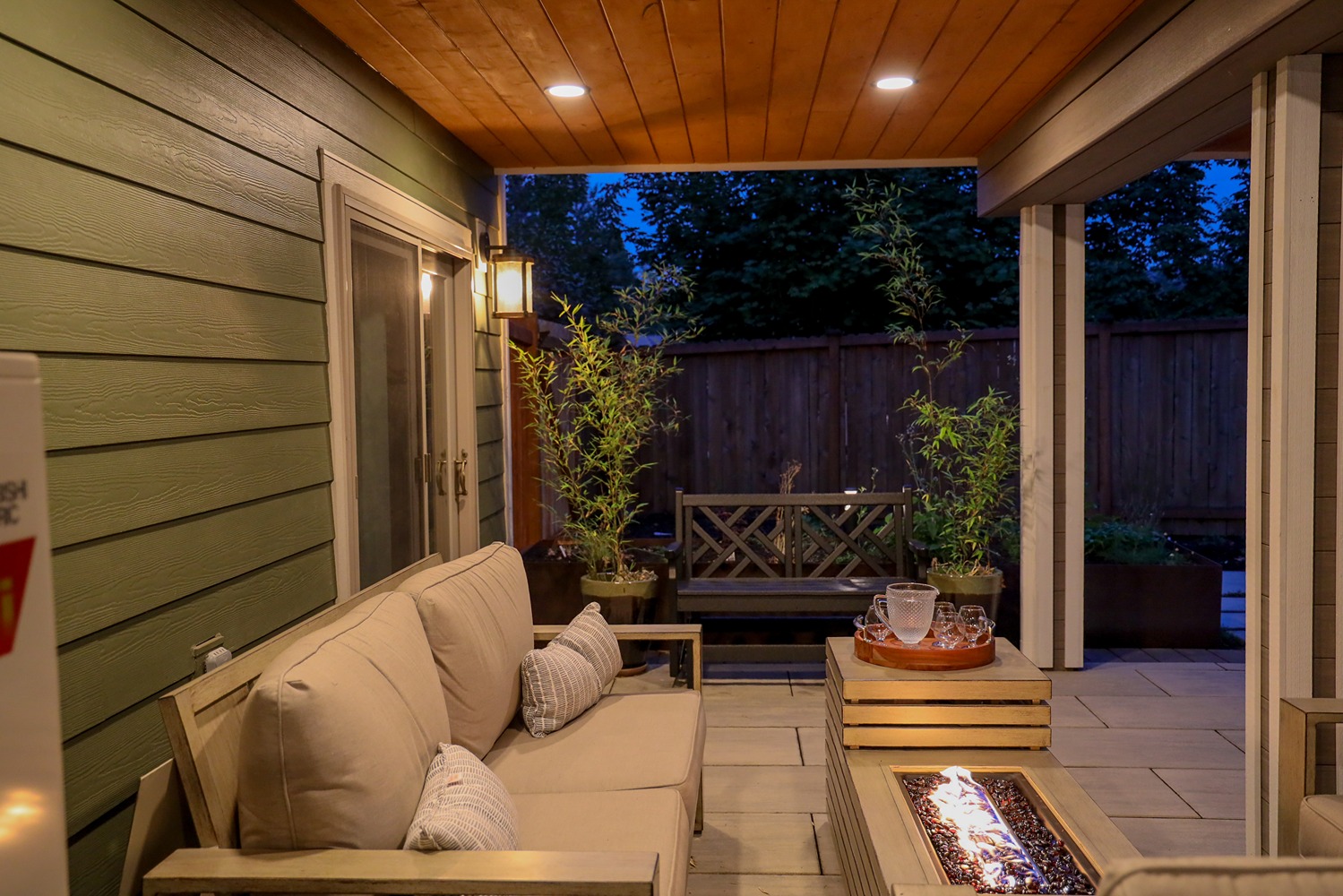
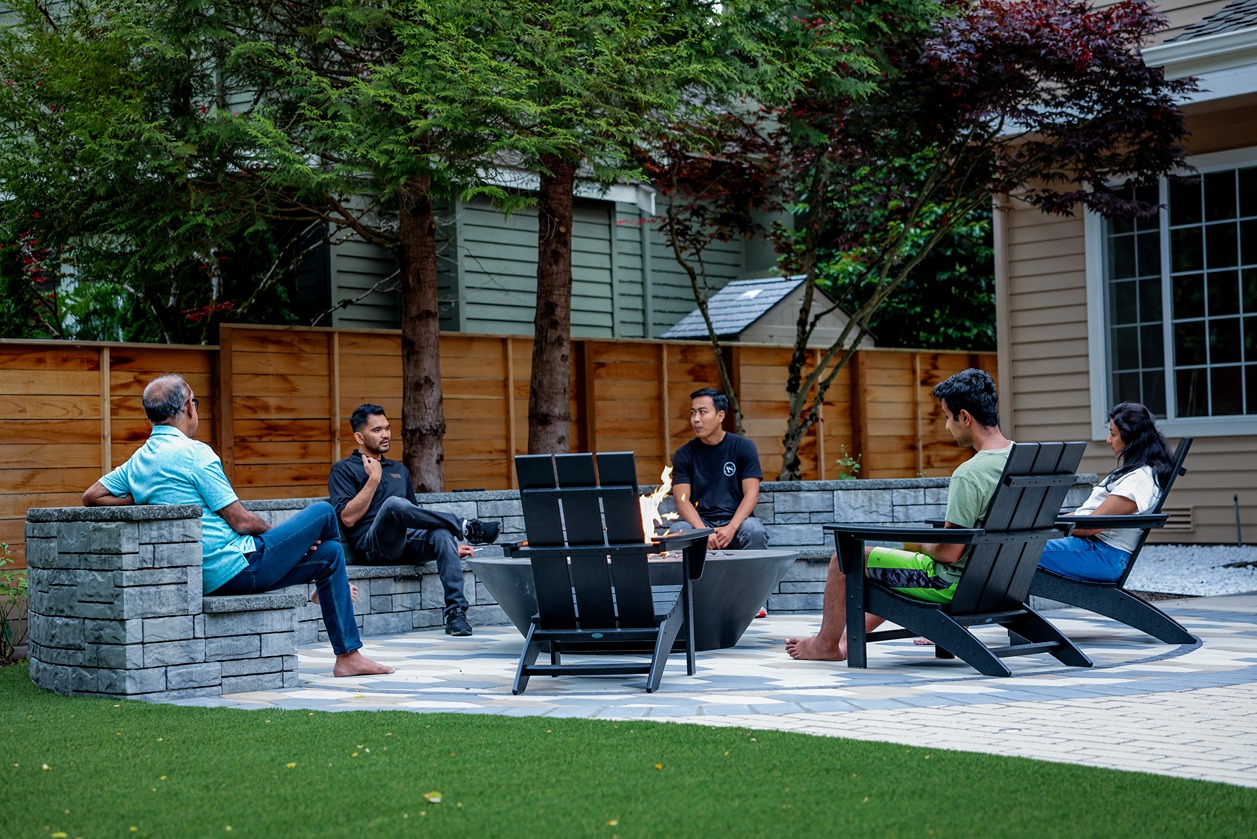
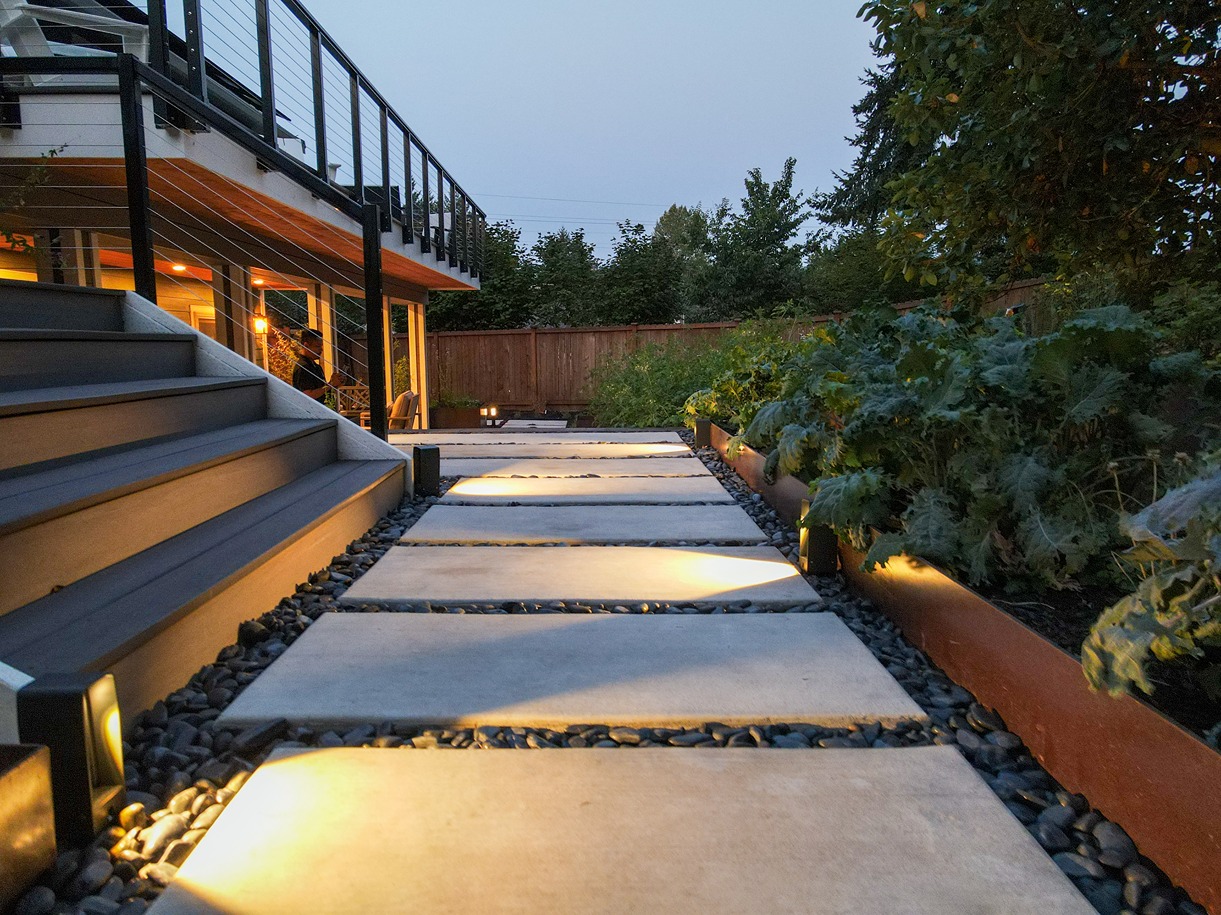
Angkorscape was founded in 2019 after seeing a consistent gap in the industry. Homeowners were investing in projects that were installed, not designed. Spaces that looked finished but didn't function for the families living in them.
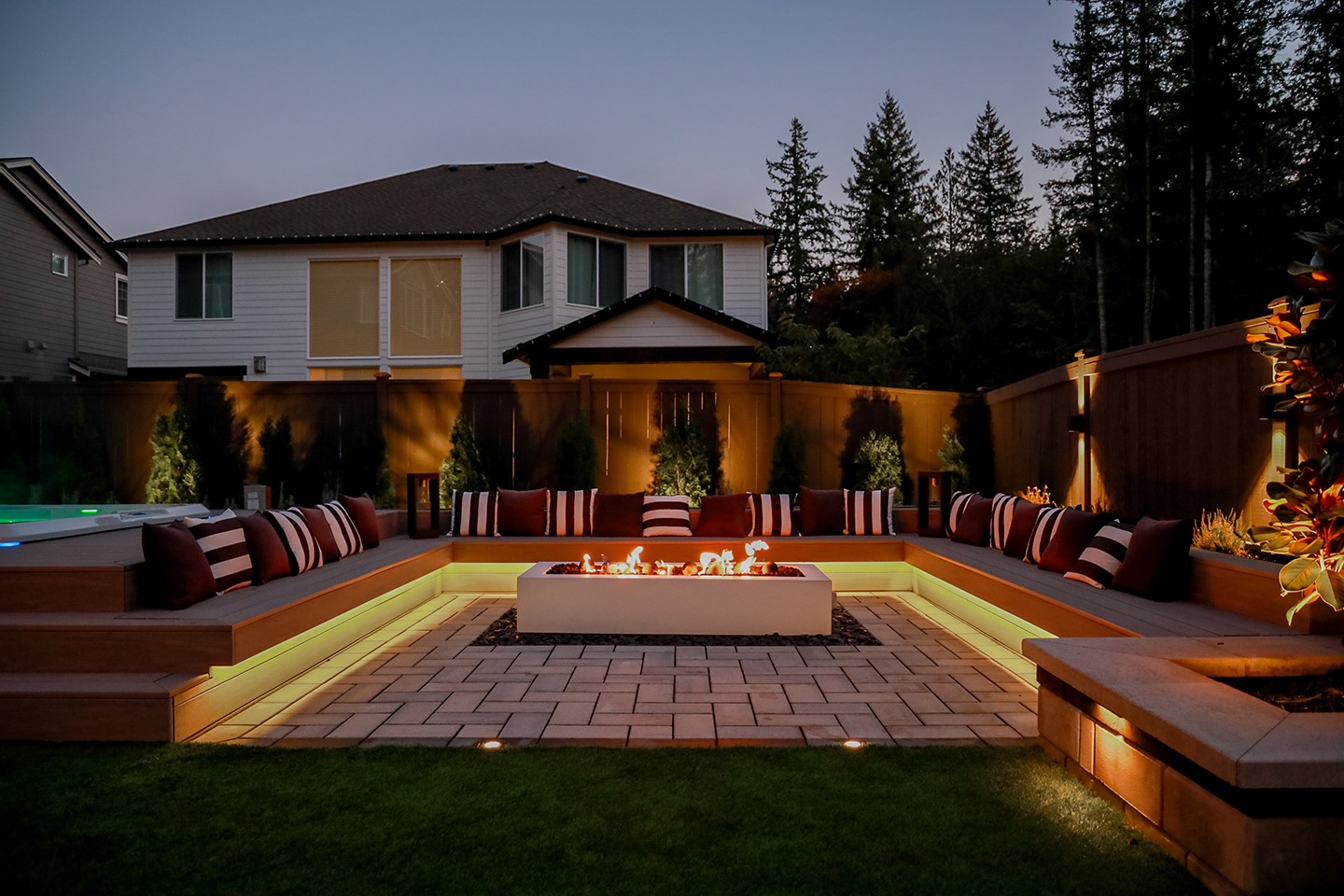
So we built something better. A landscape design and build company where every project begins with a fully custom 3D design built around your vision, your budget, and how the space will actually be used. Over 50 years of combined experience goes into every project, but the standard we hold ourselves to is simpler: we want you to love being outside.
One team. One point of contact. No disconnects between what was designed and what gets built.
Combined Years of Experience
Projects Completed
We're not the only outdoor living contractor in Greater Seattle. But we're one of the few that designs to your budget from the start, manages every phase under one roof, and holds every project to the standard of the original design.
Design, permits, and construction all under one roof. No handoffs, no miscommunication, no gaps between what was planned and what gets built.
We build your design around your budget from day one, not after the fact. What you see is what you can actually build, with no surprises along the way.
We minimize change orders by planning every detail before work begins. Clear scope, clear pricing, and no surprises from first sketch to final install.
Every outdoor living project we complete is backed by a 5-year workmanship warranty. We build it right because we stand behind it long after the project is done.

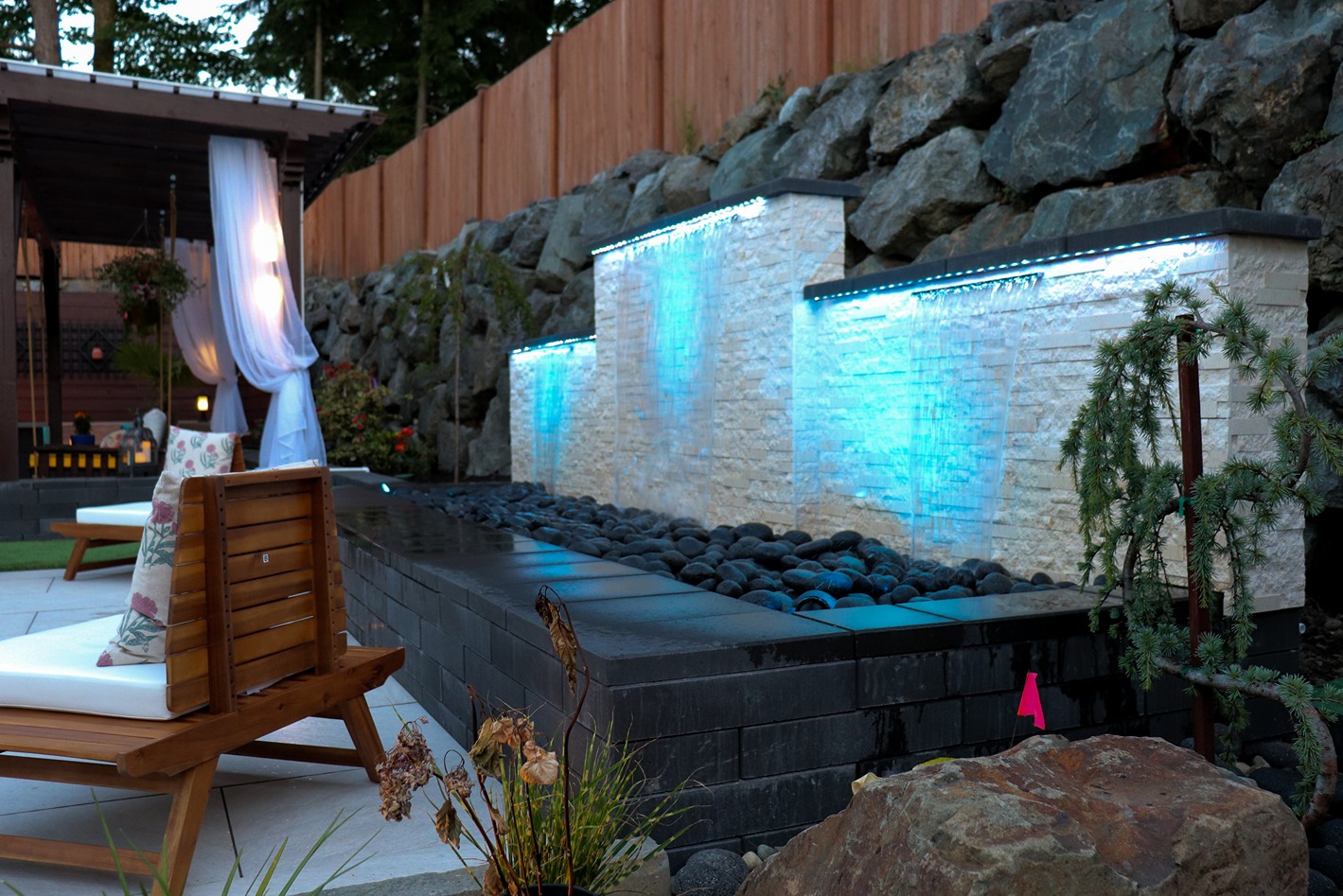


Every backyard we've built started the same way: a homeowner with a vision, a budget, and a landscape design and build team committed to making it real.
Some projects are simple. Some are complex. All of them matter to us the same way. Across King, Pierce, and Snohomish County, we've transformed underused backyards into outdoor spaces families genuinely love spending time in.
Browse our portfolio and see what's possible for your own backyard.
Investing in your custom landscape design and build project is a big decision, and it deserves more than good intentions. We walk you through every phase, handle the complexity behind the scenes, and keep communication clear so nothing ever catches you off guard.

We start with a real conversation: your space, your goals, your budget. No pressure, no pitch, just an honest look at what's possible and what it'll take to get there.
Your design is built around your vision and your budget, not a template. We refine it together until every detail feels right, with transparent pricing attached from the beginning.
Permits, engineering, HOA packages: we take care of all of it behind the scenes so the path to construction is clear before we ever break ground.
This is where it all comes together. Our team builds your space exactly as designed, with one point of contact and no shortcuts from start to finish.
We let our work do the talking, but our clients say it better than we ever could. Here is what homeowners across King, Pierce, and Snohomish County have to say about working with Angkorscape.
I spent a lot of time researching different landscape designers, and without a doubt Angkorscape had the aesthetic I was looking for. The process was collaborative and they nailed what I was looking within my budget restraints.
If I had to sum it up, Angkorscape was worth every penny! Their design, communication, expertise, time and patience made this busy mom so appreciative to have someone do this project with such care. It was one less thing I had to juggle or worry about on top of everything else.
We started with their Conceptual Design to sort out layout and materials, then upgraded to the Build Tier once we were ready to pull the trigger. The in-person visit and site measurements made the plan feel very dialed-in, and the 3D views helped us see the space before anything was built. Smooth handoff into construction and the results match the design.
We just finished a large project and are extremely happy with the results. Every step along the way was organized, quick, and responsive. Starting with a great 3D model, selecting the materials, construction, plant selection, and finally now enjoying the finished backyard we want to thank everyone involved.
Thy and his crew were incredible to work with from design through to the end product. They are friendly, kind and creative. We absolutely love the end result - high quality that looks better than we could have expected. Best of all, the project finished on time and on budget. I highly recommend Angkorscape to anyone that’s looking for landscaping work.
I selected them to design and construct all landscaping around my house even they were not the lowest bid, but I believe hiring the same company to do a "design and build" can achieve the best result and quality to reflect the design. They helped me to select stones in reasonable price to meet my budget.
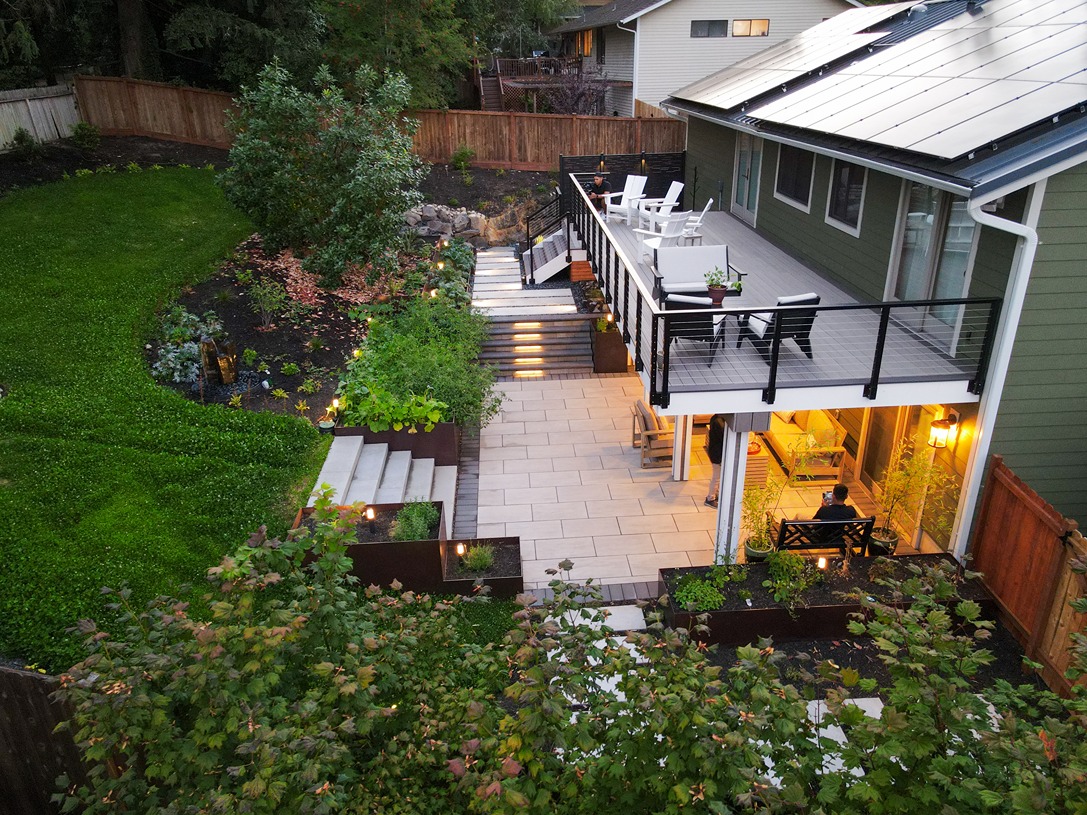
Every backyard in these before-and-afters started the same way: underused, underdesigned, and full of potential. This is what changes when design and construction work as one.


.jpg)


.JPG)

Every project we take on is guided by the same five principles. These aren't marketing lines, they're the reasons our process works and our clients trust us with their most valuable outdoor spaces.
Every backyard is different, and so is every client. Here are some of the most popular outdoor living elements we design and build across Greater Seattle: use this as a starting point for your own vision.
Not every outdoor living company applies landscape architecture principles to the work they do. At Angkorscape, every project is approached with the same methodology a landscape architect would bring: rigorous site analysis, intentional space planning, and a design process that accounts for every detail before installation begins. Here is what that means for your project:
Thorough Site Evaluation: We assess your property before any design work begins: topography, drainage, sun and shade, existing conditions, so every decision reflects the reality of your space.
Design Built Around Your Life: How you use the space, how you entertain, what the yard needs to feel like. These are the questions landscape architecture methodology answers before the first line is drawn.
Material Expertise: Every material has a performance profile. We select materials based on how they hold up in Pacific Northwest conditions, not just how they look.
Drainage and Grading: Water management is engineered into the design from day one. Proper slope, subsurface drainage, and channel systems are specified before installation begins.
Permit and HOA Navigation: We handle all permitting, engineering coordination, and HOA submissions in house so your project moves forward without unnecessary delays.
Integrated Design and Construction: When the team that designs your space also builds it, nothing gets lost in translation. Every detail carries through from plan to finished product.
Long-Term Value: A well-designed outdoor space adds measurable value to your property. Applying landscape architecture principles from the start is the foundation that makes that possible.

We know a big outdoor project comes with a lot of questions. Here are the ones we hear most from homeowners before they get started.

Most of our projects range from $75,000 to $500,000 depending on scope, with an average around $150,000. We give you a realistic range in our first conversation, then design your project around that number, so there are no surprises when pricing is presented.
Timelines vary based on project scope. We walk you through the full schedule upfront — design, permitting, and construction, before anything begins, so you know exactly what to expect at every stage.
Yes. Permitting, engineering coordination, and HOA packages are all managed in-house. By the time construction starts, every approval is already in place.
Yes. We work with HFS Financial to offer flexible financing options, making it easier to move forward with your project while staying within your budget.
No. We handle both landscape design and construction in-house to ensure everything is aligned and built exactly as intended. This keeps the process clean, accountable, and backed by one team from start to finish.
Most of our projects are $75,000 or more, but we are open to any project where the budget aligns with the goals. The key is starting with a proper design so the plan actually fits your space and what you want to achieve.
Whether we are using in-house crew or long-term trade partners, our standards do not change. You have one point of contact throughout, and everyone on your project, internal or partner, represents Angkorscape in culture, professionalism, and schedule.
Yes. Beyond the build, we offer ongoing maintenance services to keep your outdoor living space performing and looking exactly the way it was designed.
It starts with a discovery call to understand your project and provide a rough range. We then meet on site to go over your budget, inspiration, and wish list. From there we build your design with clear line-item pricing and refine it through two to three revisions until it fits your vision and your budget.
We use clear milestone-based payments: 10% at signing, 40% at project start, 40% at the halfway point, and the final 10% upon completion. Everything is transparent and aligned as the project moves forward.
Tell us about your project and someone from our team will follow up within one business day to talk through your vision and next steps.
A space worth building is a space worth planning. Every project starts with a design — fees begin at $2,500.
Tell us about your project and we'll follow up within one business day.
Serving Greater Seattle homeowners with custom outdoor living spaces. One process, one team, one result.
Contractors License : ANGKOI*750PA