
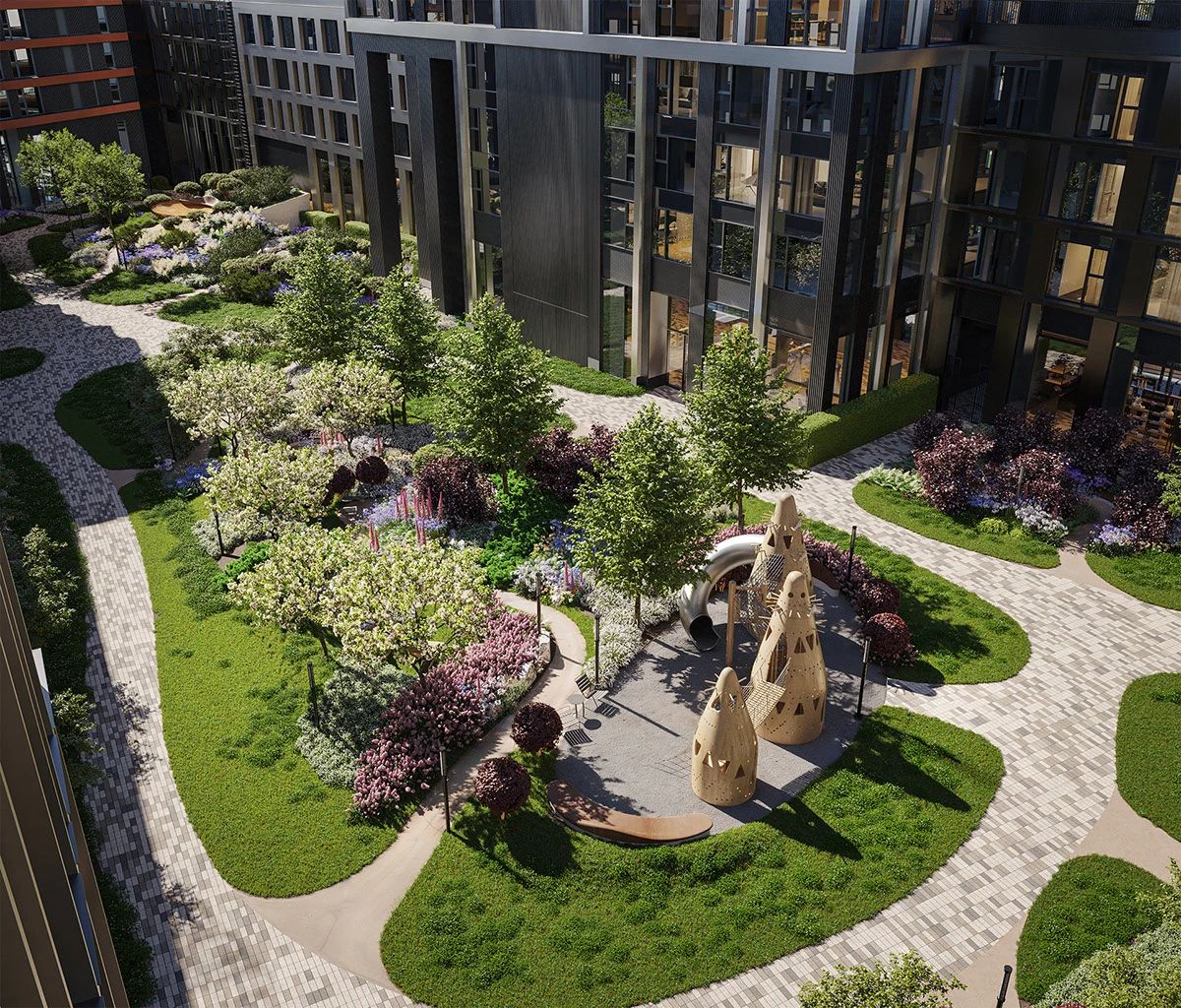
Symmetrical vs. Asymmetrical Landscape Design: Which is Right for Your Seattle Home?
When you’re planning a custom landscape design in Seattle, one of the most important decisions you’ll face is choosing between symmetrical and asymmetrical design approaches. This choice shapes everything from your front yard’s curb appeal to how you experience your backyard retreat.
Both design styles have their place in Pacific Northwest landscapes, and understanding their strengths can help you create an outdoor space that truly reflects your vision. Whether you’re drawn to the classic elegance of formal gardens or the natural flow of organic landscapes, the right approach depends on your property, your lifestyle, and what you want to achieve.
Understanding Balance in Landscape Design
Balance is one of the fundamental principles that professional landscape architects in Seattle use to create cohesive outdoor spaces. It’s about how visual weight is distributed across your property, and it directly affects how comfortable and appealing your landscape feels.
Think of it this way: when you walk into a well-designed outdoor space, nothing feels out of place. Your eye moves naturally from one element to another, and the whole composition just works. That’s intentional balance at play, and it can be achieved through two distinct approaches.
Did You Know?
In Seattle’s unique climate, the choice between symmetrical and asymmetrical design can also impact long-term maintenance needs and how well your landscape handles our wet winters and dry summers.
Symmetrical Landscape Design: Timeless Elegance and Formal Beauty
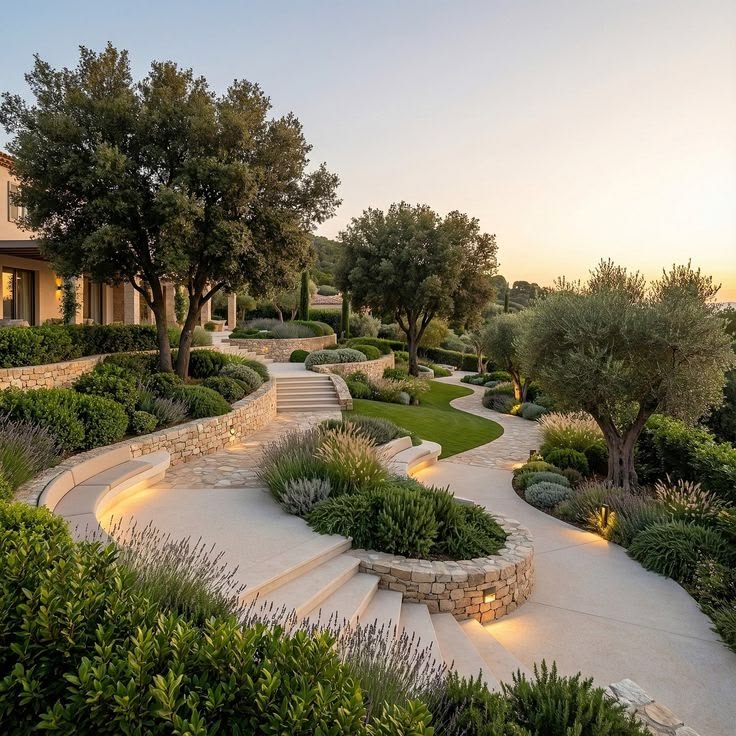
Symmetrical design creates a sense of formality and intentionality perfect for front yards and entryways.
Symmetrical design is all about mirror images and perfect balance. Picture a grand estate with matching rows of trees flanking a central pathway, or a front entrance with identical plantings on either side of the door. This approach creates an immediate sense of order, stability, and intentionality.
When Symmetrical Design Shines
Symmetrical layouts work exceptionally well for certain situations:
- Front Yard Landscapes: Creating a welcoming entrance with balanced plantings on either side of your walkway or door establishes instant curb appeal. It tells visitors that care and attention have been invested in the property.
- Formal Entertaining Spaces: If you host elegant gatherings or want a sophisticated outdoor dining area, symmetrical design provides the refined backdrop you’re looking for.
- Historic or Traditional Homes: Symmetry complements classical architecture beautifully. If your Seattle home has traditional design elements, a symmetrical landscape can enhance that aesthetic.
- Smaller Properties: Ironically, symmetrical design can make compact spaces feel more organized and intentional, helping every square foot count.
The Practical Considerations
While symmetrical landscapes offer visual elegance, they come with specific requirements. These designs demand regular maintenance to keep plants trimmed to matching sizes and shapes. In Seattle’s climate, where plants can grow vigorously during our wet seasons, this means staying on top of pruning and shaping.
You’ll also need relatively symmetrical site conditions to pull it off successfully. If your property has significant slopes, irregular boundaries, or mature trees in unexpected places, forcing symmetry can feel awkward rather than elegant.
When working with our landscape design team in Seattle, we use 3D renderings to show you exactly how symmetrical elements will look on your specific property before any construction begins. This helps avoid surprises and ensures the formal design you’re envisioning will actually work with your site’s natural conditions.
Asymmetrical Landscape Design: Natural Flow and Organic Beauty
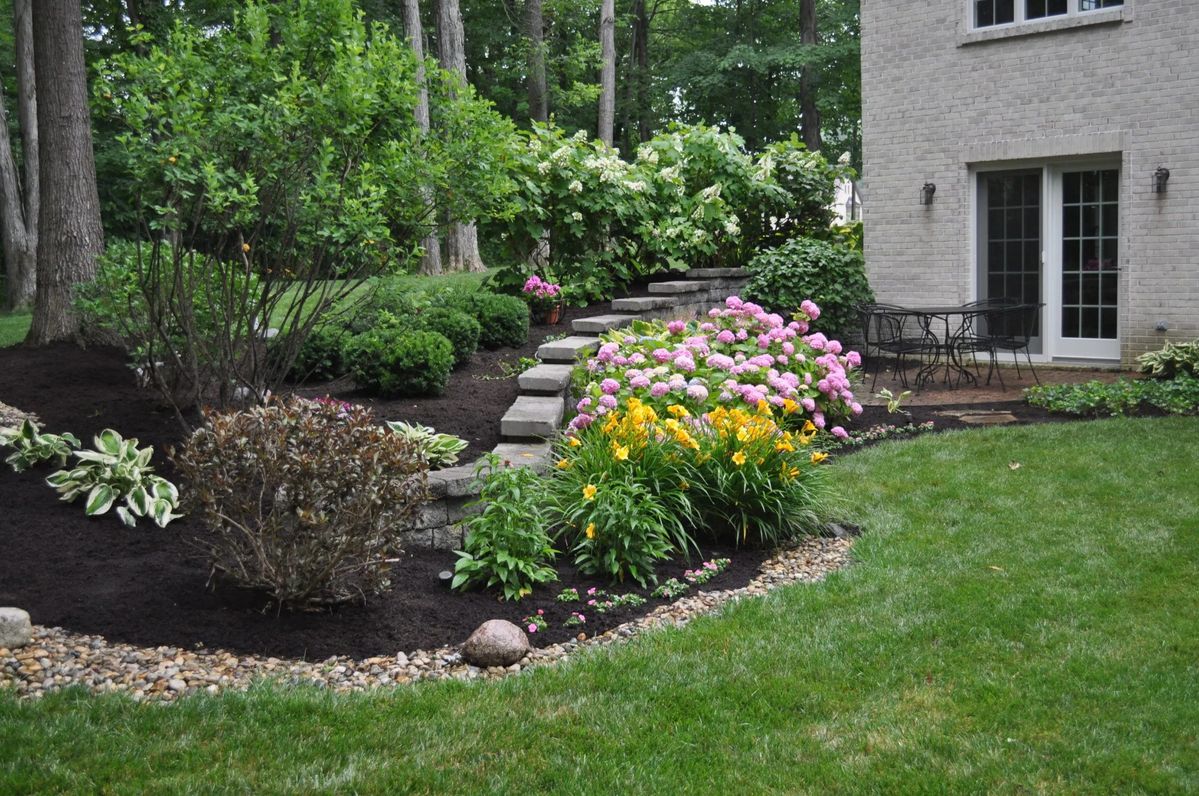
Asymmetrical design embraces natural patterns and creates relaxed, inviting outdoor spaces.
Asymmetrical design takes a different approach to balance. Instead of mirror images, it creates visual equilibrium through varied elements that still feel cohesive. Think of a Pacific Northwest forest floor or a natural meadow—nothing matches exactly, but everything works together in harmony.
Where Asymmetrical Design Excels
Asymmetrical layouts are particularly suited to:
- Backyard Retreats: For outdoor living spaces in Seattle where you want to relax and unwind, asymmetrical design creates a more casual, inviting atmosphere. It’s perfect for areas where you entertain informally or simply want to enjoy nature.
- Rain Gardens and Sustainable Landscapes: Seattle’s climate calls for thoughtful water management. Asymmetrical rain gardens can follow natural drainage patterns, making them both functional and beautiful.
- Challenging Properties: Got slopes, irregular lot lines, or existing mature trees you want to preserve? Asymmetrical design works with these features rather than fighting against them.
- Native and Edible Gardens: If you’re creating an edible garden or working with Pacific Northwest native plants, asymmetrical layouts feel more natural and allow plants to express their individual character.
- Modern and Contemporary Homes: Clean-lined modern architecture often pairs beautifully with asymmetrical landscaping that brings organic contrast to geometric structures.
Creating Unity Without Symmetry
The art of asymmetrical design lies in creating balance without matching elements. Professional landscape designers achieve this through:
- Repeated Plant Groupings: Using the same species in different locations throughout the space creates visual connections without rigid symmetry.
- Flowing Lines and Curves: Pathways, garden bed edges, and hardscape elements with gentle curves guide the eye naturally through the space.
- Varied Heights and Textures: Layering plants of different sizes and textures creates depth and interest while maintaining overall cohesion.
- Strategic Focal Points: Placing eye-catching elements like specimen trees, water features, or sculptural pieces at intentional locations draws attention and creates visual anchors.
Maintenance Benefits
One of the practical advantages of asymmetrical design is its flexibility with maintenance. Plants don’t need to be trimmed to identical sizes, so a bit of natural growth variation actually enhances the design rather than detracting from it. This can mean less intensive upkeep over time, which many Seattle homeowners appreciate.
Design Considerations for Seattle’s Unique Environment
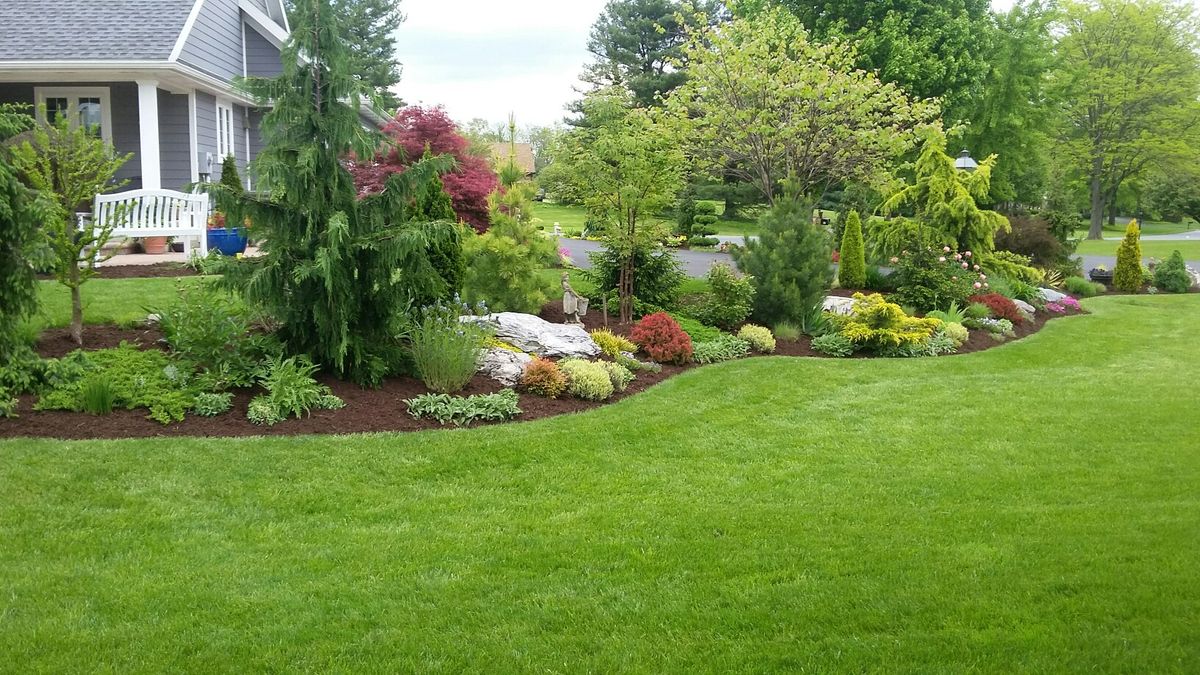
Seattle’s climate and natural beauty influence how symmetrical and asymmetrical designs perform.
Our Pacific Northwest location brings specific factors that affect both symmetrical and asymmetrical landscape design:
Climate and Plant Growth
Seattle’s mild, wet winters and relatively dry summers create growing conditions where plants can become quite vigorous. For symmetrical designs, this means more frequent maintenance to keep matched plantings identical. Asymmetrical designs can accommodate this natural growth more easily.
Rainfall and Drainage
With our generous annual rainfall, proper drainage isn’t optional—it’s essential. Sustainable landscape designs in Seattle must consider where water flows and how it’s managed. Asymmetrical layouts often work better with natural drainage patterns, while symmetrical designs may require more engineered solutions to handle water movement.
Native Plant Integration
Many Seattle homeowners want to incorporate Pacific Northwest natives like vine maple, sword fern, Oregon grape, and salal into their landscapes. These plants often express themselves more naturally in asymmetrical arrangements, though they can certainly be incorporated into formal designs with thoughtful planning.
Site Topography
Many Seattle properties include slopes and elevation changes. These topographical features can make symmetrical design challenging and expensive, as they may require significant grading and retaining walls. Asymmetrical designs typically work more naturally with existing grades, reducing construction costs and environmental impact.
Blending Symmetry and Asymmetry: The Best of Both Worlds
Here’s something many homeowners don’t realize: you don’t have to choose just one approach for your entire property. Some of the most successful landscape designs combine both symmetrical and asymmetrical elements strategically.
Common Hybrid Approaches
- Formal Front, Flowing Back: Use symmetrical design for your front entry and foundation plantings to create curb appeal, then transition to asymmetrical layouts in your backyard for a more relaxed entertaining space.
- Symmetrical Hardscape, Organic Plantings: Create formally balanced patios, pathways, and structures, then soften them with asymmetrically arranged plants that add natural character.
- Balanced Focal Points: Center a symmetrical feature like a fountain or fire pit, then surround it with asymmetrical garden beds that complement rather than mirror each other.
- Room-by-Room Approach: Treat different outdoor “rooms” independently—perhaps a formal herb garden near the kitchen, an asymmetrical rain garden in a side yard, and a balanced patio off the main living areas.
The key is maintaining intentionality throughout. Random switches between styles can feel disjointed, but thoughtful transitions create interest while keeping your overall landscape cohesive.
How 3D Design Helps You Choose the Right Approach
One of the biggest challenges homeowners face is visualizing how different design approaches will actually look on their specific property. This is where Angkorscape’s 3D design process becomes invaluable.
Rather than working from flat drawings or trying to imagine the finished result, you’ll see detailed 3D renderings of your outdoor space with the proposed design elements in place. This allows you to:
- Compare symmetrical and asymmetrical layouts side-by-side
- See how different plant sizes and textures will look as they mature
- Understand how hardscape elements interact with planting beds
- Make informed decisions about layout before construction begins
- Request revisions until the design feels exactly right
This design-first approach means you’re never guessing about how your finished landscape will perform. You’ll have clarity on aesthetics, functionality, and budget before any dirt gets moved.
Questions to Guide Your Design Decision
As you consider which approach fits your Seattle property, ask yourself these questions:
About Your Property
- What’s your home’s architectural style—traditional, modern, craftsman, contemporary?
- Do you have regular lot lines or an irregular property shape?
- Are there significant slopes or relatively level areas?
- What existing features (trees, structures, views) need to be incorporated?
About Your Lifestyle
- How will you use the space—formal entertaining, casual gathering, family play, quiet retreat?
- How much time and resources can you commit to ongoing maintenance?
- Do you prefer manicured, controlled landscapes or more natural, evolving gardens?
- What’s your timeline for landscape maturity—immediate impact or patient development?
About Your Goals
- Is increasing curb appeal and resale value a priority?
- Are sustainability and ecological function important considerations?
- Do you want space for edible gardens or primarily ornamental plantings?
- How important is year-round visual interest versus seasonal variation?
Why Professional Design Makes the Difference
Whether you choose symmetry, asymmetry, or a blend of both, working with experienced landscape design professionals in Seattle ensures your vision translates successfully to your actual property.
Professional designers bring several critical advantages:
- Site Analysis: Understanding soil conditions, drainage patterns, sun exposure, and microclimates that affect plant performance
- Scale and Proportion: Ensuring elements are correctly sized for your space—too small reads as insignificant, too large feels overwhelming
- Plant Knowledge: Selecting species that will thrive in Seattle’s climate while achieving the desired aesthetic effect
- Technical Expertise: Handling grading, drainage, irrigation, lighting, and structural elements properly from the start
- Long-term Vision: Planning for how your landscape will look not just at installation, but in 5, 10, and 20 years as plants mature
- Budget Optimization: Prioritizing elements that deliver the most impact within your investment parameters
At Angkorscape, our design and build process keeps everything coordinated from initial concept through final construction. The same team that creates your 3D design also manages the installation, ensuring your finished landscape matches your approved plans.
Creating Your Perfect Seattle Landscape
The choice between symmetrical and asymmetrical landscape design isn’t about which is objectively better—it’s about which approach best serves your property, your lifestyle, and your vision for outdoor living.
Symmetrical design offers timeless elegance, formal beauty, and immediate visual impact. It’s perfect for traditional homes, front yards, and situations where refined sophistication is the goal.
Asymmetrical design provides organic flow, natural character, and flexibility with site conditions. It excels in backyard retreats, sustainable landscapes, and properties where working with existing topography makes more sense than reshaping it.
And as we’ve explored, many of the most successful landscapes combine both approaches thoughtfully, creating variety and interest while maintaining overall cohesion.
What matters most is that your outdoor space reflects your needs and enhances your daily life. In Seattle’s beautiful Pacific Northwest setting, you have incredible opportunities to create landscapes that are both functional and inspiring.
Ready to Design Your Dream Outdoor Space?
Let’s explore how symmetrical, asymmetrical, or hybrid landscape design can transform your Seattle property. Our design process starts with understanding your vision, analyzing your site, and creating detailed 3D renderings that show you exactly what your finished landscape will look like. Schedule Your Design Consultation
See your outdoor space before it’s built. Love the design or we refund the fee.
About Angkorscape
Angkorscape is a custom outdoor living design and build firm serving Seattle and Western Washington. We specialize in creating detailed 3D landscape designs that help homeowners visualize their outdoor spaces before construction begins. Our integrated design-build process ensures your vision becomes reality through careful planning and experienced execution. Learn More About Our Process