Comparing design-build vs traditional landscape contractor helps Seattle homeowners understand which approach saves time, reduces risk, and delivers stronger results.
October 14, 2026
•
11-minute read
Most homeowners do not think much about project delivery models until something goes wrong. A designer hands off plans to a contractor who has never seen the site. The contractor finds problems. Change orders follow. The budget climbs.
If you have heard stories like this from neighbors or friends, you already understand why the design-build vs traditional landscape contractor debate matters. Knowing how each approach works before you hire gives you real protection. At Angkorscape, the design-build model is the foundation of every project we take on in the Greater Seattle area.
If you've already decided the design-build model is right for you and want to know how to evaluate specific companies, our guide to choosing a design-build contractor covers the vetting process in full. This post focuses on the model comparison — why design-build works differently from traditional construction and how to decide which is right for your project.
Design-build means one company handles both the design phase and the construction under a single contract. You work with one team from concept to completion rather than managing separate relationships with an independent designer and a landscape contractor.
This model is common in commercial properties and large construction projects, but it delivers even clearer advantages for residential projects where homeowners are managing limited budgets and tight timelines.
Traditional construction separates the design process from the build process. You hire a landscape designer or licensed landscape architect to create construction drawings. Then you take those drawings to market, get bids from multiple contractors, and hire a landscape contractor separately.
This approach works well in some contexts, particularly when a licensed landscape architect is legally required for the project. For most residential projects, however, the coordination complexity of hiring a landscape designer vs contractor separately tends to create more problems than it solves.
So which approach actually works better? For most Seattle homeowners tackling backyard transformations, patios, or outdoor living spaces, the design-build approach delivers clearer benefits. Here is a side-by-side look.
The one area where traditional construction has a theoretical edge is competitive bidding. You can take the same plan to multiple contractors and choose the lowest bid. In practice, however, the lowest bid often does not reflect the best value once change orders, material substitutions, and site issues are factored in.
Design-build landscape advantages go beyond convenience. They affect the quality of your finished project in ways that are easy to overlook until you have experienced the alternative.
Construction Realities Shape the Design When one company handles both design and construction, construction expertise influences every design decision. An independent designer working without construction knowledge may produce beautiful plans that are difficult or expensive to build. A design-build team designs with construction realities in mind from day one.
Design Intent Is Protected Through the Build A common problem with the traditional approach is that design intent gets lost once plans transfer to a contractor. Contractors may substitute different materials, adjust details, or skip elements to save time. When the same team builds what they designed, the concept stays intact.
Fewer Change Orders Change orders (formal requests to alter the scope, materials, or cost of a project after work has started) are one of the most common budget killers in residential projects. Design-build firms reduce change orders because the team has already resolved most construction decisions during the design phase.
Faster Project Delivery Because design and construction planning happen within the same company, phases can overlap. You do not wait for fully completed construction drawings before the team begins procurement and scheduling.

Traditional landscape contractor pros and cons deserve a fair assessment. This approach is not always wrong. It is just better suited to specific situations.
For most residential projects in Seattle, these problems outweigh the theoretical benefit of competitive bidding.
💡 Pro Tip: If you are considering the traditional approach to save money on design fees, ask yourself how much time you are willing to spend managing communication between two separate businesses. That coordination time has real cost, even if it does not appear on an invoice.
The honest answer is that it depends on how you define cost. Total cost for a design-build project may look higher upfront because design fees are bundled into one contract.
For complex residential projects, design-build total cost is often competitive with or lower than hiring a landscape designer and contractor separately once the hidden costs of coordination are included.
When homeowners start researching hiring a landscape designer vs contractor, they often focus on the wrong variables. Price comparisons between a design-build firm and an independent contractor are not accurate unless the scope is identical.
A qualified designer who is not connected to the build team may produce a strong design concept. But without construction expertise informing the plan, that concept can become expensive or impractical once a contractor starts pricing it.
Not every project is the same. Here is a practical way to think through the decision before you hire.
1. Define your project complexity: Projects with multiple features such as retaining walls, outdoor kitchens, patios, and planting plans benefit most from the design-build model. Simpler projects like installing plants or a basic patio may not require the full integration of design and construction.
2. Assess your available time: If you can actively manage two separate contracts and facilitate communication between a designer and a contractor, the traditional approach is manageable. If you want one team to own the process, design-build is the better fit.
3. Consider whether a licensed landscape architect is required: Some projects near critical areas, steep slopes, or on commercial properties require a licensed landscape architect to stamp construction drawings. In those cases, a traditional approach may be legally necessary regardless of preference.
4. Evaluate the design-build firm's portfolio: Not all design-build companies are equal. Look for a proven track record on projects similar to yours. Review completed projects, ask for references from past clients, and confirm that the same team handles both the design process and construction.
5. Ask about the design-build contract structure: A professional design-build firm offers a clear contract that covers both design fees and construction costs. Ask what is included in each phase, how changes are handled, and what quality assurance processes exist during construction.
You can review how Angkorscape structures the full design-build process from initial consultation through project completion before you make your decision.
💡 Pro Tip: Ask any design-build company you interview whether the same people who design your project will be on site during construction. If the answer is no, ask how design intent is protected during the build phase. The answer tells you a lot.
The design-build model only delivers its advantages if the company executes it well. Here is what to look for when evaluating design-build firms in the Greater Seattle area.
A design-build company that operates this way gives you a single point of accountability and a clear process from start to finish.

For most Seattle homeowners, design-build vs traditional landscape contractor comes down to one question: do you want one team responsible for your entire project, or two? Design-build landscape advantages are real and they are not just about convenience. They protect your budget, your timeline, and the quality of your finished outdoor space. The design-build model works because the people who design your project are the same people who have to build it and stand behind it. If you are ready to explore what this approach looks like for your backyard, contact Angkorscape and let us walk you through the process.

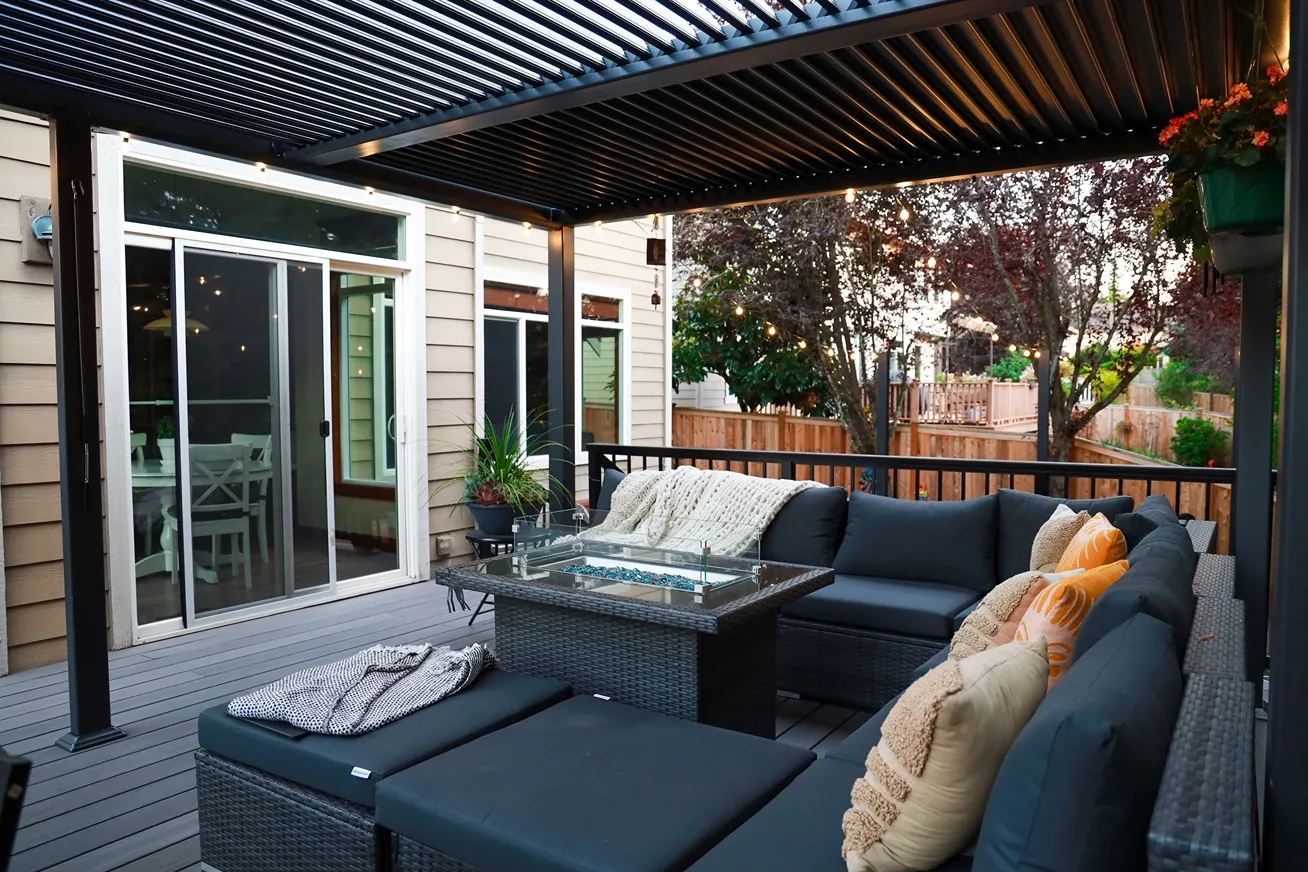

Design-build vs traditional landscape contractor comes down to whether one company or two handles your project. A design-build firm manages both the design phase and construction under one contract, while the traditional approach uses a separate designer and a separate landscape contractor.
Design-build landscape advantages include fewer change orders, preserved design intent through the build, faster project delivery, and a single point of accountability. For complex residential projects, these benefits typically outweigh the competitive bidding option offered by traditional construction.
Total cost is often competitive because design-build firms reduce change orders and coordination expenses that add up when managing an independent designer and contractor separately. The full cost comparison should include design fees, coordination time, and potential change orders.
Hiring a landscape designer vs contractor separately makes sense when local code requires stamped drawings from a licensed architect or engineer (uncommon for typical residential work), when the project is large enough to justify independent oversight, or when you want a specific designer who does not offer construction.
Look for a company with an integrated team of designers and builders, a clear preliminary design process, transparent project costs, and a strong portfolio of completed residential projects in the Seattle area. A design-build contract that covers scope, timeline, and change order procedures is a good sign of a professional operation.
Traditional landscape contractor pros and cons include access to competitive bidding as an advantage and coordination complexity, design handoff gaps, and split accountability as significant drawbacks. For most residential projects in Seattle, the cons of the traditional approach tend to outweigh the benefits.
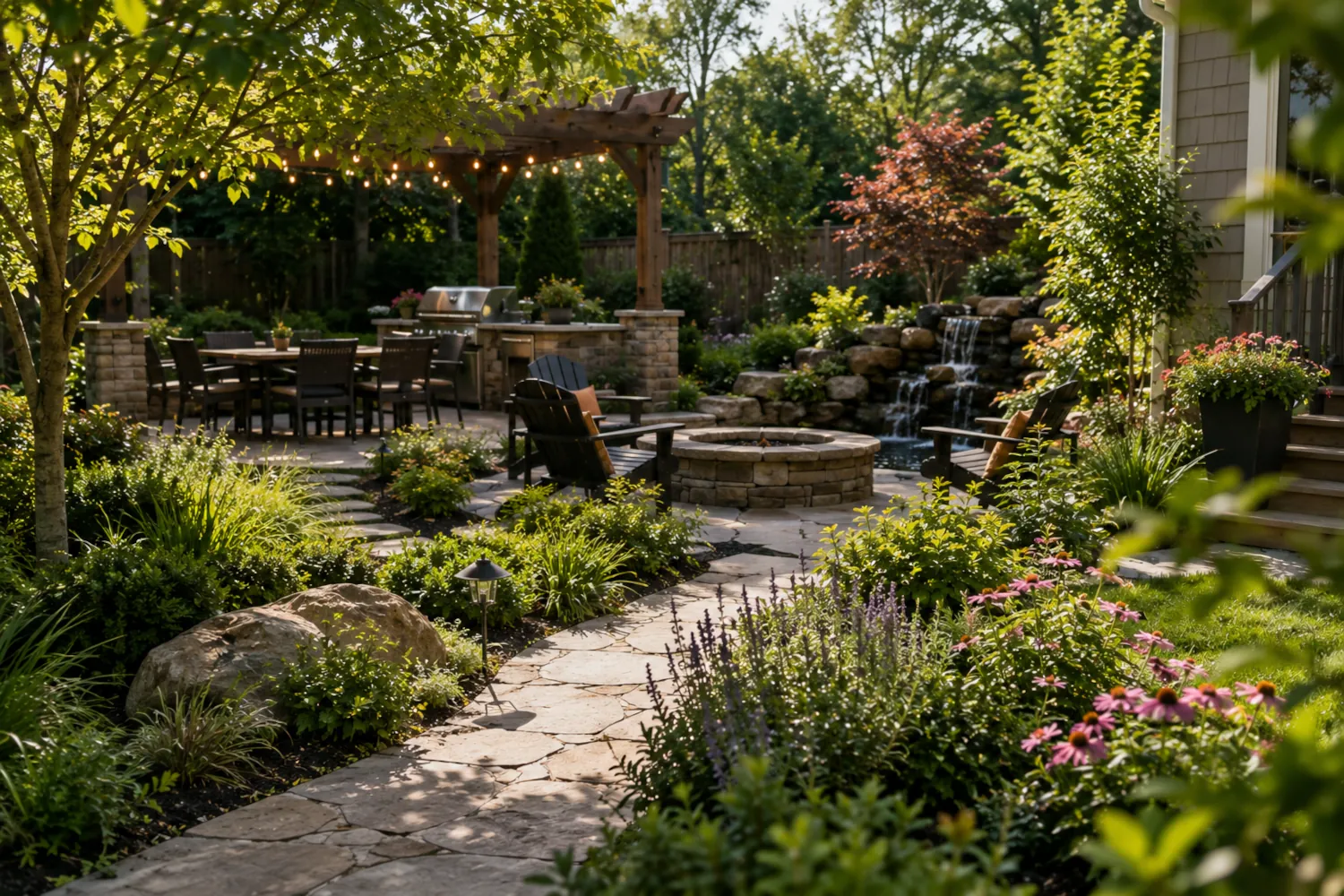
Serving Bellevue and the Eastside homeowners with custom outdoor living spaces. One process, one team, one result.
Contractors License : ANGKOI*750PA




.png)

