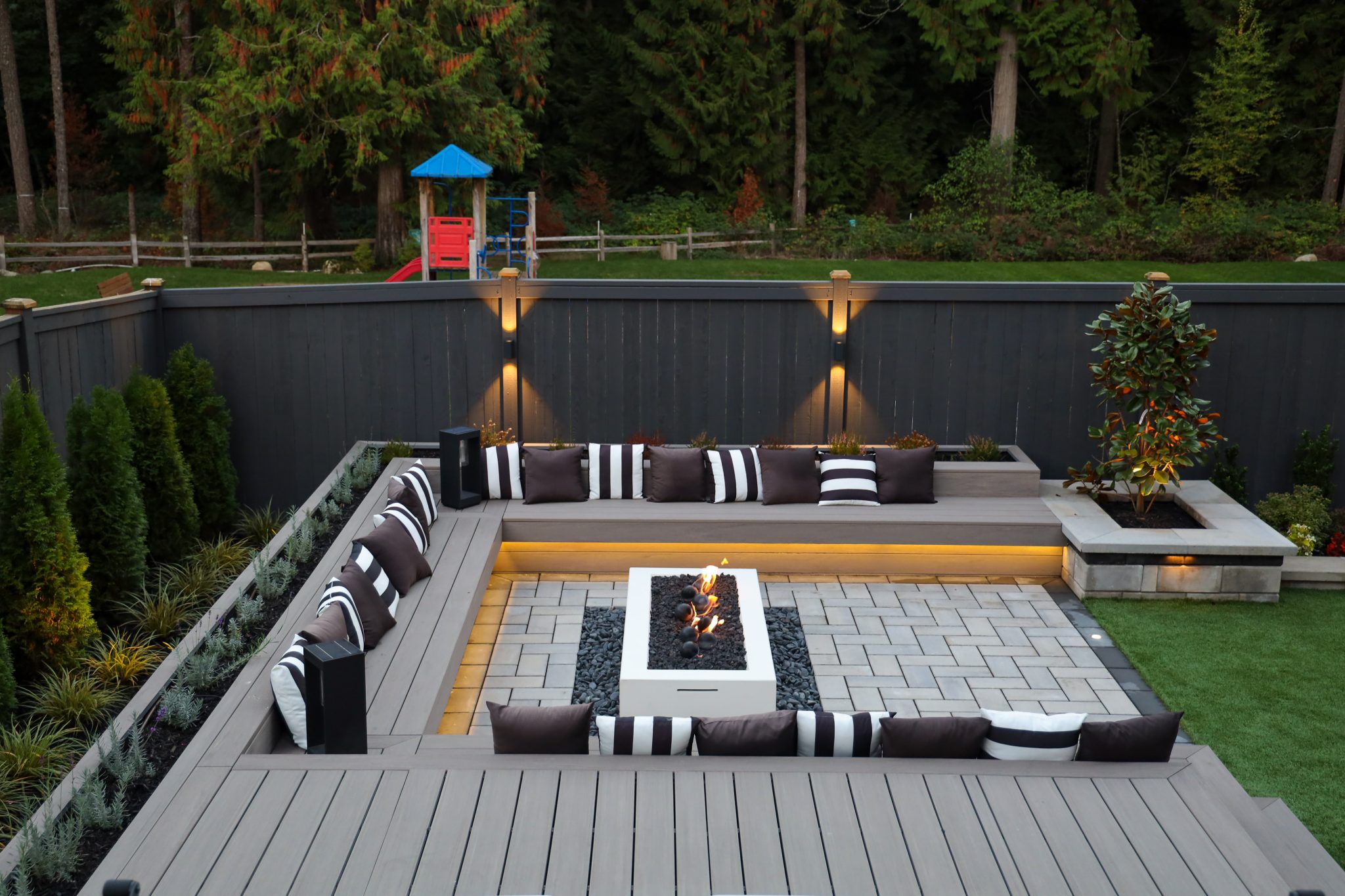
Knowing how to choose a design-build contractor for outdoor living spaces protects your investment and ensures your Seattle project gets built right the first time.
June 26, 2026
•
10-minute read
Choosing who builds your outdoor living space is one of the most important decisions you will make in the entire project. Get it right and you end up with a functional space that adds real property value. Get it wrong and you face future repairs, budget overruns, and frustration that lasts for years. Knowing how to choose a design-build contractor for outdoor living spaces means understanding what qualifications matter, what questions to ask, and what red flags to avoid.
A design-build contractor is a company that handles both design and construction activities under one roof. Instead of hiring a separate designer and a separate builder, you work with one team from concept through project completion.
Traditional construction separates the design and build process into two contracts with two different teams. This creates gaps in communication that often affect project quality. The design-build model keeps both you and the contractor aligned from the first meeting to the final walkthrough.
The qualifications of a custom outdoor builder matter more than most homeowners realize. A contractor who builds patios and a contractor who designs and builds complete outdoor living spaces are not the same thing.
Verify that your contractor holds a valid Washington State contractor's license, which is technically a registration with the Department of Labor & Industries (L&I). Confirm they carry general liability insurance and workers' compensation coverage, and that they are bonded as state law requires. Ask for certificates before signing a design-build contract.
Ask specifically about projects similar to yours. Deck builders who have only built simple decks may not have the construction expertise to handle complex projects that combine multiple features like outdoor kitchens, fire pits, built-in seating, and natural stone work.
A qualified outdoor living contractor knows local regulations and knows when permits are required. Permit requirements vary by city and county throughout Greater Seattle, so always verify specifics with your local municipality. A contractor who dismisses permits is a serious red flag.
Does the contractor offer a preliminary design before construction starts? Can they show you 2D or 3D drawings of your project? A contractor who builds without a design plan creates significant risk for the homeowner.
The vetting process for an outdoor living contractor does not have to be overwhelming. Follow these steps in order and you will have greater confidence before you sign anything.
Before contacting anyone, write down what you want. List every element: patio construction, decking, outdoor kitchens, fire pits, seating walls, lighting. A clear scope helps you obtain multiple quotes that are actually comparable.
Look at photos of completed projects on the contractor's website and social media. Look specifically for projects with similar site conditions and similar features to yours. Browse Angkorscape's completed outdoor living projects to see the range of work possible in the Seattle area.
Look for reviews that mention how the contractor handled problems, not just smooth projects. Every project has challenges. How a contractor responds to potential challenges is what defines long-term performance and project quality.
A good design-build team listens more than they talk in the first meeting. They ask about your lifestyle, how you will use the space, and what your budget looks like. If a contractor jumps straight to a pitch without understanding your project goals, that is a warning sign.
Before signing, confirm that the contract includes a detailed scope of work, materials proposed, timeline, payment schedule, and a process for handling changes. Vague contracts create disputes during the building process.
Ask for references from past clients with similar projects. Call them. Ask whether the project came in on budget, whether the team communicated well, and whether they would hire the contractor again.
💡 Pro Tip: Ask every contractor the same set of questions so you can compare answers directly. This makes selection benchmarks for design-build companies easier to apply fairly across multiple bids.

This is a question many homeowners ask when they start researching how to choose a design-build contractor for outdoor living spaces. The answer depends on your project, but for complex outdoor living projects, the design-build model generally wins.
For projects that combine structural elements like retaining walls with aesthetic features like natural stone patios, outdoor kitchens, and landscape design, the design-build process reduces risk at every stage.
Strong selection benchmarks for design-build companies give you a consistent way to evaluate every contractor you speak with. Do not rely on gut feeling alone.
These benchmarks protect you regardless of which contractor you choose. A contractor who meets all of them is worth serious consideration. One who cannot meet several of them is worth passing on, regardless of price.
The initial consultation is your best opportunity to assess the qualifications of a custom outdoor builder. Come prepared with specific questions.
About Experience:
About the Design Process:
About Project Management:
About Costs and Timeline:
About Quality:
You can also review how Angkorscape structures the outdoor living design and build process before your consultation so you know what a professional process looks like.
The criteria for hiring specialized outdoor builders go beyond licensing and price. You are looking for a team that understands outdoor space design as a natural extension of your home's architecture and your family's lifestyle.
Local Climate Knowledge Seattle's rainfall, soil conditions, and seasonal patterns affect every design and construction decision. A contractor with deep local experience builds for how the weather actually behaves, not how it behaves somewhere else.
Material Expertise Does the contractor understand the long-term performance of the materials proposed? Can they explain why they recommend one paver over another for your specific site? Good contractors educate you on material selection rather than just presenting options.
Cohesive Design Vision A great outdoor living contractor designs the space as a whole. Patio construction, seating walls, fire pits, built-in seating, and outdoor kitchens should feel connected, not like separate elements bolted together.
Post-Project Support Ask what happens after project completion. Does the contractor offer any warranty on their work? Will they return to address future repairs if something goes wrong?
💡 Pro Tip: Visit at least one completed project in person if the contractor allows it. Photos show the best angles. An in-person visit shows you the quality of the construction details and how the space actually functions.
Even with a solid vetting process for an outdoor living contractor, some warning signs are easy to miss when you are excited about a project.
A reliable outdoor builder welcomes scrutiny. They have a proven track record and they know their work speaks for itself.

Knowing how to choose a design-build contractor for outdoor living spaces gives you the confidence to hire well and protect your investment. The right contractor brings construction expertise, design vision, and clear communication to every stage of your project. Whether you are planning a new deck, an outdoor kitchen, or a complete backyard transformation, the selection benchmarks and vetting steps in this guide apply. Take your time, ask the hard questions, and choose a team you trust. Ready to start the conversation? Contact Angkorscape and let us show you how a design-build project should feel from day one.

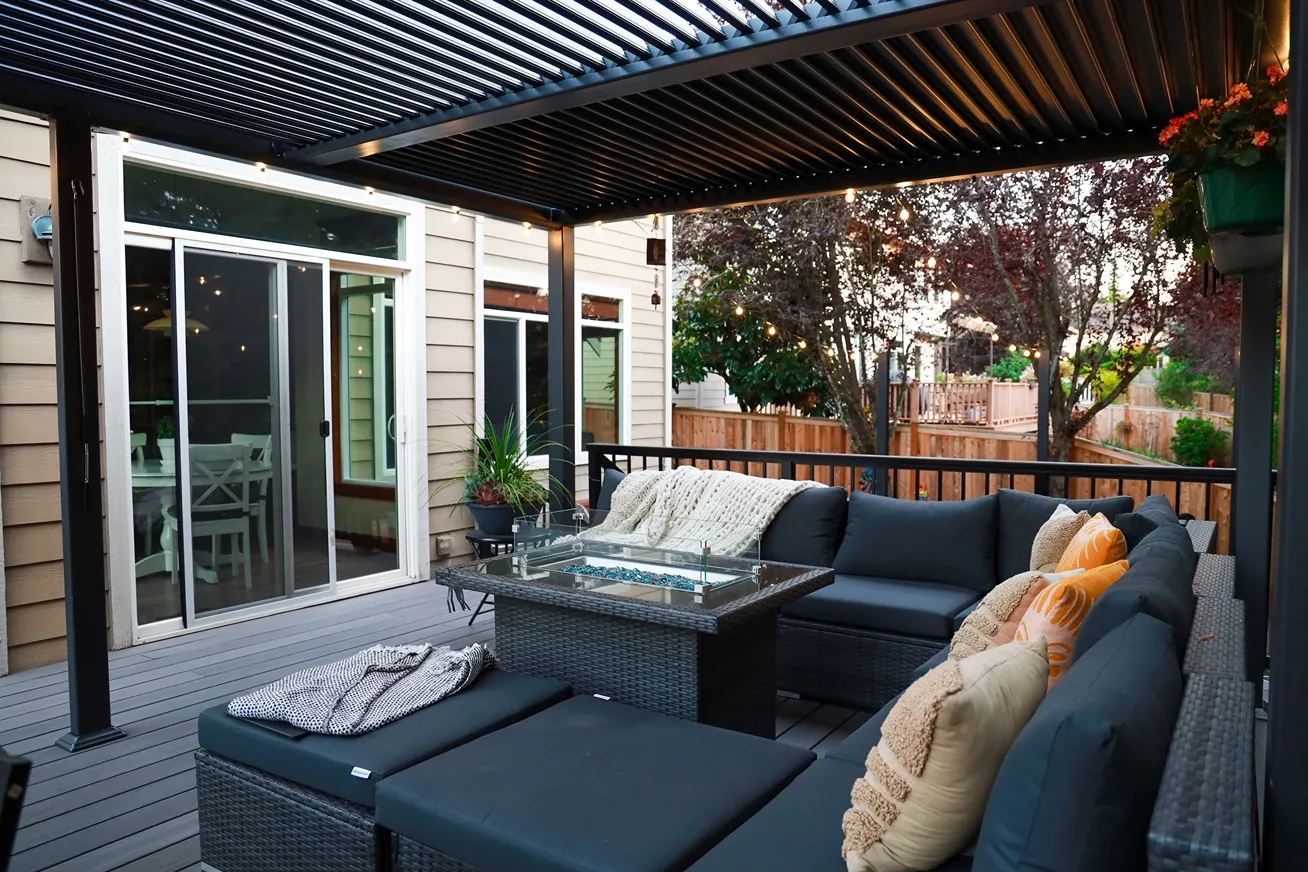

The vetting process for an outdoor living contractor includes reviewing their portfolio, confirming licensing and insurance, checking references from past clients, and evaluating their design-build contract before signing. You should also assess whether they have experience with projects similar in scope and complexity to yours.
The qualifications of a custom outdoor builder should include a valid contractor's license, general liability insurance, workers' compensation coverage, and a demonstrated portfolio of completed outdoor living projects. Experience with local building codes and design capabilities are also critical factors.
Apply selection benchmarks for design-build companies consistently across every contractor you evaluate. Look for a proven track record, detailed preliminary design offerings, transparent project costs, and strong references from past clients with similar projects.
A design-build contractor manages both design and construction activities under one contract and one team. Traditional construction separates design services from the building process, which increases coordination complexity and can reduce accountability when problems arise.
The criteria for hiring specialized outdoor builders include local climate knowledge, material expertise, cohesive design vision, and clear post-project support. A contractor who meets these criteria builds outdoor living spaces that perform well and hold their value over time.
Ask about their experience with similar projects, how they structure the design-build process, who manages your project day-to-day, and how they handle scope changes during construction. Also confirm their approach to permits, as requirements vary by city and county throughout Greater Seattle.
Serving Bellevue and the Eastside homeowners with custom outdoor living spaces. One process, one team, one result.
Contractors License : ANGKOI*750PA





.png)