A well-designed outdoor living space balances comfort and style through thoughtful choices in furniture, lighting, textiles, and greenery. With the right personal touches and functional decor, any patio or backyard can become a beautiful retreat that reflects your personality and enhances your everyday living.
July 27, 2026
•
3 min read
Creating Outdoor Living Spaces that balance comfort and style starts with thoughtful planning and inspiration. Homeowners often seek guidance from the best backyard designer in Seattle to achieve a layout that blends beauty with practicality.
A well-designed Outdoor Space should encourage relaxation and connection while reflecting the homeowner’s personality. Choosing durable furniture, soft lighting, and touches of greenery can transform patios, decks, or gardens into cozy retreats perfect for entertaining or quiet evenings.
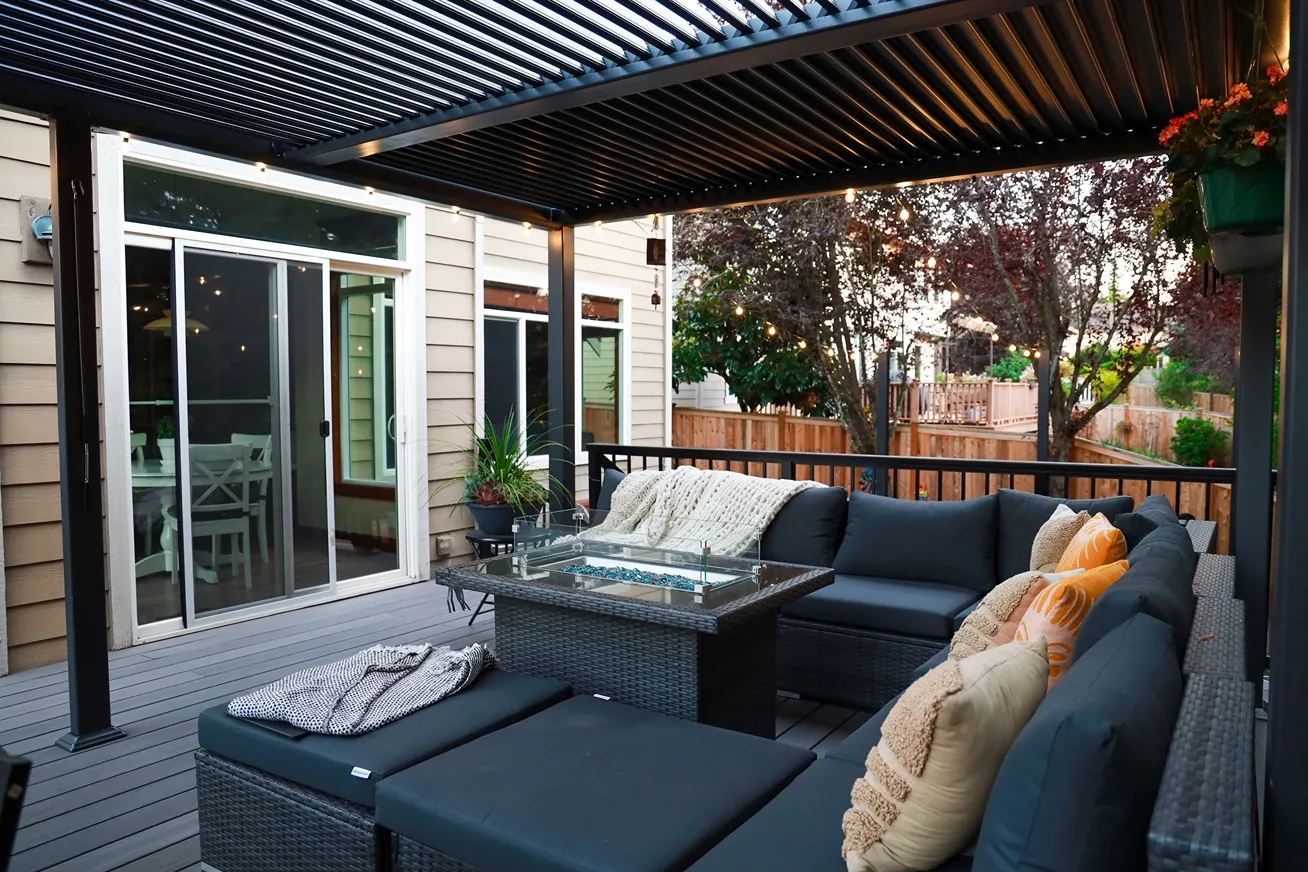
Designing outdoor spaces begins with selecting furniture that complements the area's look and purpose. The goal is to find durable, weather-resistant pieces such as teak or powder-coated aluminum that can withstand the changing seasons. Furniture layout matters just as much as material, arrange seating areas to promote conversation or provide comfortable spots for lounging.
Versatile items like extendable tables or benches with hidden storage offer flexibility and convenience. Paying attention to cushion fabrics, color, and comfort ensures the space feels inviting and cohesive. Thoughtfully chosen furniture forms the foundation of an outdoor area that combines function and elegance.
Textiles add comfort, warmth, and texture to outdoor living areas. Soft, weather-resistant throw blankets can be draped across chairs for cool evenings, while outdoor rugs define gathering spaces and provide visual unity. Cushions made from fade-resistant materials such as Sunbrella bring color and personality while maintaining durability.
Mixing patterns and textures helps create depth and a sense of luxury. The right textiles can make even a small patio feel like an extension of the home, offering both style and comfort for guests and family alike.
Lighting plays a major role in setting the mood and extending the usability of outdoor areas into the night. String lights add a gentle glow, while lanterns or torches introduce warmth and charm. LED path lights improve safety and guide movement through the space without overpowering the ambiance. Recessed or wall-mounted lighting can highlight architectural details or create subtle illumination for evening gatherings.
Dimmable options allow homeowners to shift from lively entertainment to peaceful relaxation with ease. The right lighting arrangement turns an outdoor area into a welcoming, functional retreat after sunset.
Functional decor enhances both the visual appeal and practicality of an outdoor living space. Storage benches or coffee tables with compartments help maintain a tidy look without sacrificing style. Durable cushions and rugs made from weather-resistant materials offer longevity and comfort year-round.
Decorative accents such as planters, sculptures, or outdoor art add personality and balance the overall design. Thoughtfully selected decor unifies the space, creating an atmosphere that feels natural and inviting.
Plants play an integral role in shaping the mood of an outdoor space. Potted plants, hanging baskets, or trellised vines soften structural elements and add life to the setting. Layering different plant heights and textures adds dimension and interest, while fragrant herbs such as rosemary or lavender provide both scent and practicality.
Greenery can define areas, create privacy, and bring a refreshing sense of calm. A balanced mix of foliage ensures that the outdoor space feels lush and connected to nature throughout the year.
A compact patio or balcony can be just as inviting as a sprawling backyard with a few smart choices. Vertical gardens and wall-mounted planters add greenery without using up valuable floor space, while foldable or multi-functional furniture keeps the area flexible for different uses.
Strategic lighting and reflective accents such as mirrors or glass surfaces help a small outdoor space feel more open and intentional. With thoughtful design, even the smallest patio becomes a comfortable extension of the home.
Personal details make an outdoor living area truly your own. Choose fabrics, colors, and patterns that reflect your style and complement your home's architecture. Decor elements such as lanterns, artwork, or handcrafted pieces can serve as focal points that highlight individuality.
Scented candles or flowering plants contribute to a sensory experience that enhances relaxation. With thoughtful personalization, an outdoor living space becomes more than just an extension of the home, it becomes a reflection of the people who enjoy it most.


The timeline depends on the scope of your project, but most residential landscaping jobs range from a few days to several weeks. Larger design-build projects involving hardscaping, irrigation, and planting can take four to eight weeks from start to finish.
Spring and early fall are ideal for most landscaping work in the Pacific Northwest. Spring allows plants to establish before summer heat, while fall gives roots time to develop before winter. That said, planning should begin months in advance to secure your spot on a contractor's schedule.
Professional landscaping costs vary widely based on the size of your yard, materials chosen, and complexity of the design. Basic lawn and planting projects may start in the low thousands, while full design-build backyard transformations can range from $20,000 to $100,000 or more.
Some landscaping projects require permits, particularly those involving retaining walls, grading, drainage changes, or large structures like pergolas and outdoor kitchens. A professional contractor like Angkorscape handles the permitting process as part of the project.
Look for a company with a strong portfolio of completed projects, verifiable reviews, clear communication, and a transparent design process. An all-in-one design-build firm is ideal because it keeps design and construction aligned under one team.
Regular maintenance includes mowing, pruning, fertilizing, and seasonal clean-ups. Your contractor should provide a maintenance plan tailored to the specific plants and materials used in your project to keep everything looking its best year-round.

Serving Greater Seattle homeowners with custom outdoor living spaces. One process, one team, one result.
Contractors License : ANGKOI*750PA