The Pacific Northwest is hard on outdoor kitchens in ways the dry-climate guides never mention. Read on for what to include, what it costs, and what survives the wet season here.
October 14, 2026
•
10-minute read
Most outdoor kitchen advice is written for dry climates. It assumes sun, low humidity, and a backyard that drains in an afternoon. None of that describes a property in Medina, Issaquah, or up toward Mukilteo.
The smartest approach to outdoor kitchen design in Seattle begins with the weather, not the wishlist. A few realities shape every decision:
Get this layer right and the cooking equipment is the easy part. Get it wrong and you're rebuilding in three years.
A roof isn't a luxury add-on in this region, it's the thing that makes the space usable from April through October and beyond. Permanent roof structures, louvered systems that close against the rain, and integrated heat (radiant overhead, gas, or a built-in fireplace) are what turn a fair-weather feature into something a family uses most of the year.

Once the structure and climate are handled, the build-out is where a property either reads as high-end or reads as a kit from a big-box store. On the projects we see across the Eastside and into Pierce and Snohomish County, the difference is integration: everything looks like it was always part of the home.
The core components worth planning around:
Skipping the unglamorous pieces (drainage under the cabinetry, proper venting, real electrical) is what separates a kitchen that lasts from one that looks tired by its second winter.
The grill island anchors the whole layout, so it gets designed first. An L-shape suits a corner of a larger Woodinville lot and gives you bar seating around the cook with counter seating. A straight run works better on a narrow Seattle city lot where space is tight. A standalone BBQ grill island with wraparound counter is the social option when entertaining is the point.
Fuel matters too. Many Greater Seattle properties already have natural gas at the main house, which makes a dedicated gas line the cleaner long-term choice over swapping propane tanks all summer.
This is where the work stops being about appliances and starts being about the outdoor area. The best outdoor kitchen ideas in Pacific Northwest come from reading the lot before drawing anything: where the grade falls, how water moves, and whether there's a view of the water, the Olympic Mountains, or a greenbelt worth opening up to.
A few principles that hold on premium properties:
Choosing a covered outdoor kitchen for your backyard is the single highest-value decision you'll make in this climate. The choice usually comes down to a permanent roofed structure versus a heavier structural pergola or deck cover. Either way, the details that get overlooked are the ones that matter most: gutter integration so runoff doesn't sheet onto the counters, proper ventilation for cooking under a roof, and flashing where the structure meets the main house.

Pricing is the question everyone asks and few sites answer honestly. The truth is that outdoor kitchen cost Seattle clients should plan for spans a wide range, because the structure and finishes do the heavy lifting on budget.
For a premium build, expect to start in the mid five figures for a well-built covered outdoor cooking space and climb into six figures as cabinetry, stone, appliances, and roof work scale up. Some of the estate-level projects in this region land well past that.
The real cost drivers:
Permitting is part of the math too. King, Pierce, and Snohomish County each handle outdoor structures, gas, and electrical differently, and a project near a shoreline or critical area carries extra review. A well-planned outdoor kitchen in Seattle prices this in from the start instead of treating it as a surprise. The money worth spending goes into roof, drainage, and integration. The money that disappears goes into trendy finishes that don't survive the weather.
Longevity in the Pacific Northwest is a materials conversation. The same product that thrives in Arizona can fail within two winters here.
The structural and material decisions described here are at the core of Angkorscape's hardscaping work across the Eastside and Puget Sound.
Plan for upkeep too. Moss, mildew, and standing water are facts of life here, and a build that ignores them ages badly. Thoughtful outdoor kitchen design Seattle homeowners can rely on accounts for the maintenance reality from the first sketch.
The expensive errors repeat themselves: indoor kitchen materials used outside, skipped drainage and flashing, and a covered area sized too small to actually shelter the cook and the friends and guests. Each one tends to mean tearing out and starting over, which is why getting the design right the first time is the cheaper path.
The pattern across every successful project is the same. Design for the climate first, the cooking second. Build for the wet season, not the photo on day one. A premium outdoor kitchen in this region isn't a product you order. The outdoor kitchen design Seattle clients actually live with is a site-specific problem shaped by your yard, your home's architecture, and the way your family spends time outdoors.
That's the work Angkorscape does best. As a backyard kitchen contractor working across King, Pierce, and Snohomish County, we read your grade, drainage, and architecture, then design a build that belongs to your site rather than a catalog. If you're weighing a project, book a consultation and we'll talk through what your lot and home can support.

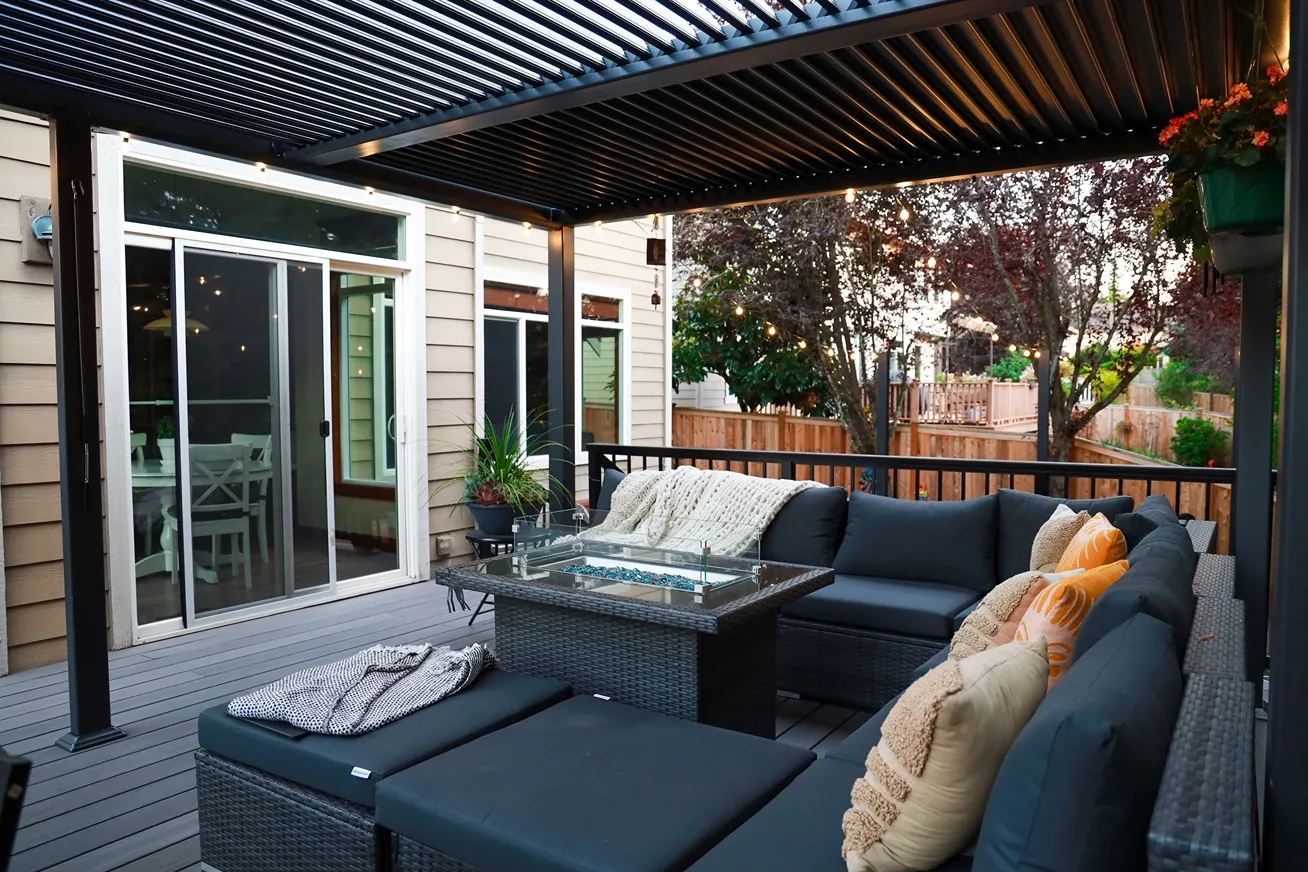

A premium build typically starts in the mid five figures for a solid covered cooking space and rises into six figures with high-end cabinetry, stone, full appliance integration, and roof work. Site conditions and utility runs move the number significantly.
Yes, if it's designed for it. A permanent roof or louvered cover plus integrated heat (radiant, gas, or a fireplace) makes the space comfortable well beyond summer, which is the whole point in a climate with a short warm season.
Dense, properly sealed natural stone like granite or quartzite performs best, with quartzite offering a marble-like look at far greater durability. Porcelain tile and concrete are also excellent for durability and low maintenance. Sealing and the right material choice matter more here than in dry regions.
Usually yes, especially for gas lines, electrical, and any roofed structure. Each county handles review differently, and properties near shorelines or critical areas face additional requirements. A design-build team should handle permitting as part of the project.
If your home already has natural gas, a dedicated line is usually the better long-term choice. It removes the hassle of refilling propane and supports larger cooking setups cleanly. Propane stays viable for sites where running a line isn't practical.
Design, permitting, and construction commonly run several months end to end. Covered structures, custom stone, and county review add time, so starting in the off-season often means being ready by the next outdoor stretch.
A covered outdoor kitchen has a solid, weatherproof roof that sheds rain completely. A pergola, even a louvered one, is lighter and may let some weather through. In our climate, full cover is what delivers reliable year-round use.
A well-integrated, weather-appropriate build adds both usable living space and resale appeal, particularly on premium properties where buyers expect refined outdoor living. A poorly built one that shows weather damage does the opposite.

Serving Bellevue and the Eastside homeowners with custom outdoor living spaces. One process, one team, one result.
Contractors License : ANGKOI*750PA




.png)

