Small yards don't have to mean limited possibilities — with vertical gardening, multi-purpose furniture, smart lighting, and thoughtful zoning, even the most compact outdoor space can become a beautiful and functional extension of your home. Angkorscape specializes in turning small yards across King, Pierce, and Snohomish Counties into stunning, space-maximizing retreats tailored to your lifestyle.
June 17, 2026
•
3 min read
The King, Pierce, and Snohomish County areas are filled with unique yards. Some large and vast, some small and narrow. Whether it’s front yard landscape design or compact backyard retreats, we at Angkorscape have become very accustom to designing and building for both large and small yards and we’ll be the first to tell you smaller spaces don’t necessarily mean compromised aesthetics or functionality. With smart design and a bit of creativity, even the most petite yards can be transformed into stunning, multifunctional outdoor retreats. Here’s how you can maximize every inch of your small Outdoor Space, turning it into a haven that feels both spacious and inviting.
One of the first rules of maximizing small spaces is to think vertically. Walls and fences provide perfect canvases for greenery. Vertical gardening, using trellises or hanging planters, allows you to add lushness without sacrificing floor space. Climbing plants like ivy or jasmine not only beautify privacy barriers but also introduce a fragrant, green element to compact areas.
When space is at a premium, every piece of furniture should serve multiple purposes. Opt for seating that doubles as storage, or choose collapsible furniture that can be easily stowed away when not in use. A bench that opens up to store garden tools or outdoor cushions can save significant space and keep your yard clutter-free.
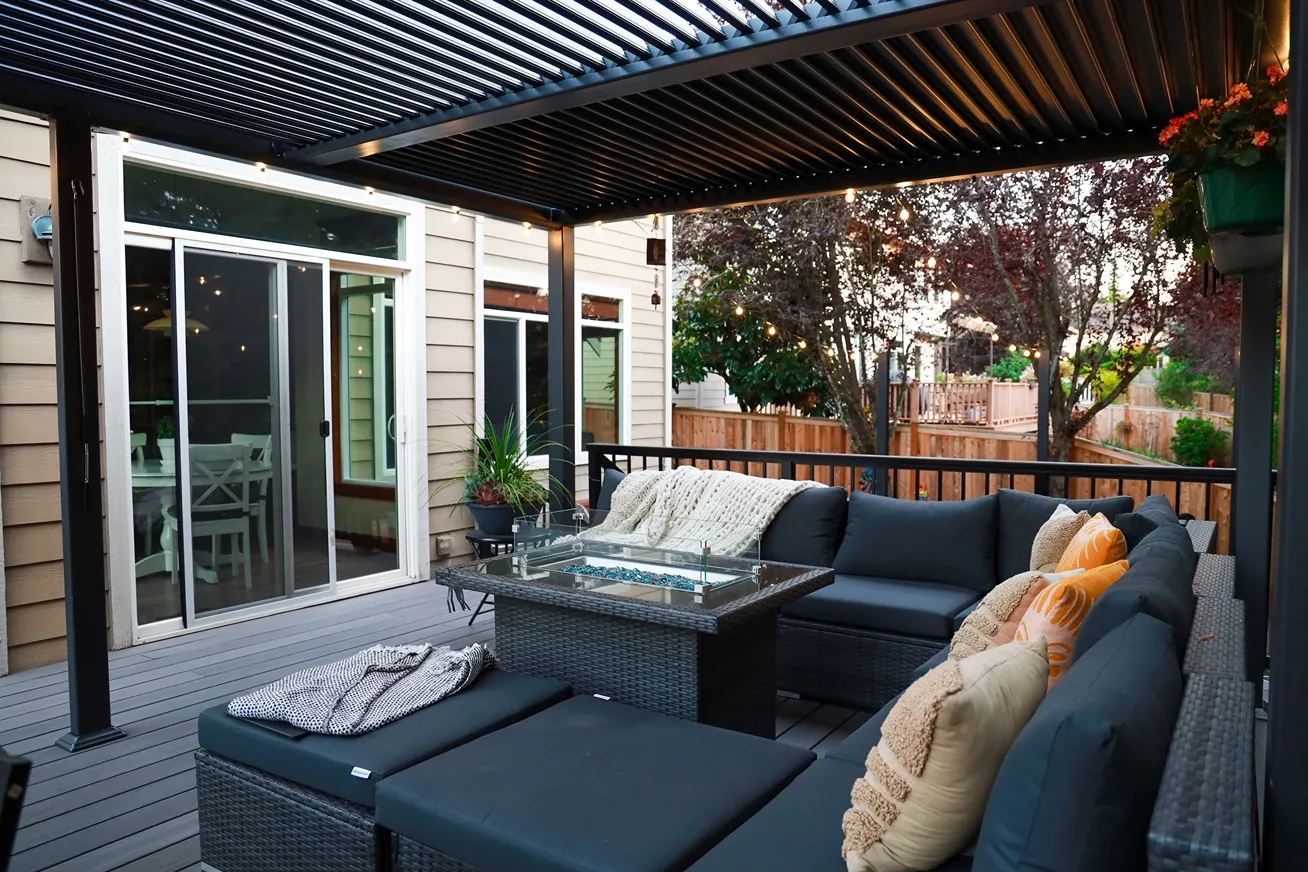
Even in small yards, defining different areas for dining, lounging, and gardening can make the space feel larger and more organized. If you’re looking for inspiration, browsing front yard design ideas can help spark creative ways to zone your own outdoor space. Use strategic placement of rugs, different pavement materials, or even container plants to delineate these areas subtly. This not only helps in maximizing functionality but also adds to the overall aesthetics, making the yard feel like a series of connected rooms.
Big, bulky items can overwhelm a small yard, making it feel cramped. Choose petite, proportionate furniture and decor that fits comfortably within the space. Look for sleek, modern designs that don’t sacrifice comfort but are scaled appropriately for smaller areas.
Mirrors are not just for interiors. Placing a large, weather-resistant mirror on a wall can instantly double the visual depth of your yard. This trick is especially effective in hidden corners where added light can help brighten and expand the space.
Good lighting can make a small space feel magical at night and more extensive than it is. Use LED strip lights under benches or stairs for a soft glow, or install solar-powered lanterns along pathways. Clever lighting not only increases the usability of your outdoor space after sunset but also enhances safety.
In smaller yards, every plant counts. Opt for species that grow upwards rather than outwards. Tall, slim plants like bamboo or columnar evergreens can provide privacy and greenery without taking up much ground space. Also, consider seasonal flowers in containers, which can be moved around as needed to freshen up the space or accommodate guests.
Transforming a small yard into a functional, visually appealing space requires creativity and strategic planning. At Angkorscape, we specialize in turning even the tiniest of outdoor areas in King, Pierce, and Snohomish Counties into beautiful, practical spaces that extend your living area outdoors. Whether you’re looking to entertain, relax, or simply enjoy a bit of nature, smart design can unlock the potential of your small yard.
Ready to reimagine your outdoor space? Contact Angkorscape today, and let’s create a smart, stylish outdoor area that maximizes every inch of your property.


The timeline depends on the scope of your project, but most residential landscaping jobs range from a few days to several weeks. Larger design-build projects involving hardscaping, irrigation, and planting can take four to eight weeks from start to finish.
Spring and early fall are ideal for most landscaping work in the Pacific Northwest. Spring allows plants to establish before summer heat, while fall gives roots time to develop before winter. That said, planning should begin months in advance to secure your spot on a contractor's schedule.
Professional landscaping costs vary widely based on the size of your yard, materials chosen, and complexity of the design. Basic lawn and planting projects may start in the low thousands, while full design-build backyard transformations can range from $20,000 to $100,000 or more.
Some landscaping projects require permits, particularly those involving retaining walls, grading, drainage changes, or large structures like pergolas and outdoor kitchens. A professional contractor like Angkorscape handles the permitting process as part of the project.
Look for a company with a strong portfolio of completed projects, verifiable reviews, clear communication, and a transparent design process. An all-in-one design-build firm is ideal because it keeps design and construction aligned under one team.
Regular maintenance includes mowing, pruning, fertilizing, and seasonal clean-ups. Your contractor should provide a maintenance plan tailored to the specific plants and materials used in your project to keep everything looking its best year-round.
Serving Greater Seattle homeowners with custom outdoor living spaces. One process, one team, one result.
Contractors License : ANGKOI*750PA