Small yards don't have to mean limited possibilities — with vertical gardening, multi-purpose furniture, smart lighting, and thoughtful zoning, even the most compact outdoor space can become a beautiful and functional extension of your home. Angkorscape specializes in turning small yards across King, Pierce, and Snohomish Counties into stunning, space-maximizing retreats tailored to your lifestyle.
June 17, 2026
•
3 min read
Creating a beautiful and functional outdoor space is more than just planting a few flowers or laying down some sod. Effective landscape design often requires the expertise of a trusted landscape design company that understands the key elements needed to transform an ordinary backyard into a harmonious and sustainable retreat. Whether you’re in King, Pierce, or Snohomish Counties, or anywhere with a penchant for refined Outdoor Living, grasping these fundamental components can help you appreciate the process and guide your decisions. Here’s an exploration of the key elements of landscape design that every homeowner should know.
The cornerstone of any successful landscape design is unity and harmony. This involves integrating all aspects of the landscape—plants, hardscapes, and features—into a cohesive whole that reflects a consistent theme or style. Achieving unity often involves repeating patterns, shapes, or materials, and maintaining a balance in scale and color throughout the space. It’s about ensuring that each component complements the others, creating a sense of completeness.
Balance is crucial in landscape design and can be achieved symmetrically or asymmetrically. Symmetrical balance means both sides of the landscape are mirrored, offering a formal appearance. Asymmetrical balance, on the other hand, uses different elements that have equal visual weight but are not identical. Proportion refers to the size relationship between parts of the landscape. It’s important that the scale of the plants and structures is in proportion to the house and the property size to maintain aesthetic harmony.
Color adds interest and depth to the landscape. Using color effectively can influence mood and perception—cool colors (blues, greens) can make a space seem larger and more relaxed, while warm colors (reds, yellows) can make it feel more intimate and exciting. Seasonal color changes and how colors interact with each other should also be considered to ensure the landscape remains vibrant and appealing throughout the year.
Texture in landscape design refers to the surface quality of the plant or material, which can range from fine to coarse. Mixing textures adds variety and interest. Form relates to the shape of the plant or structure, which can be columnar, pyramidal, weeping, and so on. Thoughtful combinations of form and texture can create a visually engaging garden that captures attention and guides the eye smoothly across the scenery.
Lines in landscape design guide both the physical movement and the eye movement through the landscape. Lines are created through the arrangement of physical boundaries like hedges, pathways, and flower beds, as well as by how those lines interact with the horizon. Flow, or the visual movement, is influenced by the lines and should lead observers through a sequence of experiences that unfold gradually over time.
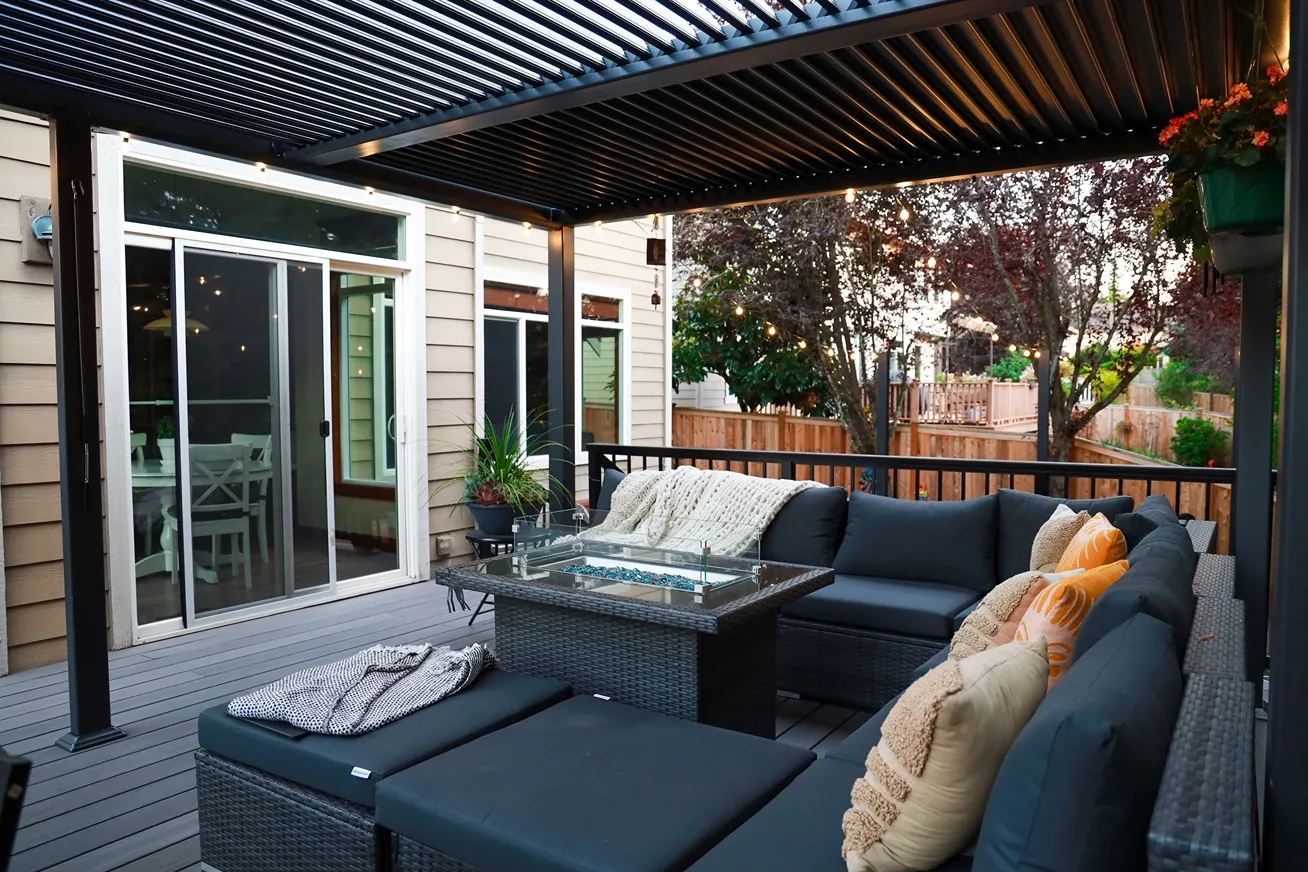
Every design element should enhance the functionality of the space. This includes the practical use of the area, like creating shaded areas for relaxation, paths for navigation, or spaces suited for outdoor cooking. Areas should be designed based on their intended use, and functionality should always harmonize with aesthetic elements to create spaces that are both beautiful and usable.
Incorporating sustainability into landscape design is becoming increasingly important. This involves selecting native plants that are adapted to the local climate, designing irrigation systems that conserve water, and using materials that are environmentally friendly and durable. Sustainable practices not only lower maintenance and costs but also minimize the ecological footprint of your garden.
Landscape design is an art that balances aesthetics with functionality, creating outdoor spaces that are beautiful, enjoyable, and sustainable. Understanding these key elements can help homeowners make informed decisions about their landscaping projects and explore tailored landscape solutions, ensuring that their outdoor spaces not only look spectacular but also serve their desired purpose effectively.
Whether you’re planning a new garden or considering some upgrades to your current landscape in King, Pierce, or Snohomish Counties, keep these principles in mind to achieve a truly cohesive and functional design. If you need expert advice or assistance, Angkorscape is here to help. Reach out to us, and let’s create the perfect outdoor setting together!


The timeline depends on the scope of your project, but most residential landscaping jobs range from a few days to several weeks. Larger design-build projects involving hardscaping, irrigation, and planting can take four to eight weeks from start to finish.
Spring and early fall are ideal for most landscaping work in the Pacific Northwest. Spring allows plants to establish before summer heat, while fall gives roots time to develop before winter. That said, planning should begin months in advance to secure your spot on a contractor's schedule.
Professional landscaping costs vary widely based on the size of your yard, materials chosen, and complexity of the design. Basic lawn and planting projects may start in the low thousands, while full design-build backyard transformations can range from $20,000 to $100,000 or more.
Some landscaping projects require permits, particularly those involving retaining walls, grading, drainage changes, or large structures like pergolas and outdoor kitchens. A professional contractor like Angkorscape handles the permitting process as part of the project.
Look for a company with a strong portfolio of completed projects, verifiable reviews, clear communication, and a transparent design process. An all-in-one design-build firm is ideal because it keeps design and construction aligned under one team.
Regular maintenance includes mowing, pruning, fertilizing, and seasonal clean-ups. Your contractor should provide a maintenance plan tailored to the specific plants and materials used in your project to keep everything looking its best year-round.
Serving Greater Seattle homeowners with custom outdoor living spaces. One process, one team, one result.
Contractors License : ANGKOI*750PA