Understanding what is hardscaping helps Seattle homeowners plan smarter outdoor spaces, set a realistic budget, and choose the right contractor the first time.
June 26, 2026
•
8-minute read
Most Seattle homeowners start researching what is hardscaping after they realize their backyard needs more than plants to function well. Hardscaping refers to the hard, built elements in a landscape design: paver patios, retaining walls, stone steps, pathways, seating walls, outdoor kitchens, and fire pits. These structures define how you use your outdoor space. They manage drainage, create seating areas, add curb appeal, and give your yard a finished look. At Angkorscape, hardscaping is at the core of almost every project we take on in the Greater Seattle area.
Hardscaping refers to all the non-living, structural elements in a landscape. If it is built from stone, concrete, pavers, or wood, it is hardscaping.
Hardscaping elements combine function and beauty. A retaining wall holds back soil on a sloped yard. A patio creates an outdoor living space where none existed. When hardscape elements are planned well, they make your entire yard more usable and more valuable.
The best backyard hardscape ideas for Seattle homes balance durability with the local climate. Seattle gets significant rainfall, so drainage, non-slip surfaces, and materials that hold up to moisture are essential.
Paver Patios A paver patio is the most requested hardscape project in the Pacific Northwest. Concrete pavers, natural stone, and products like Techo-Bloc all offer different looks and price points. Pavers that lock with polymeric sand (a sand mixed with binding agents that hardens after installation) stay in place far better than loose-set options in Seattle's wet conditions.
Retaining Walls Sloped yards are common in Seattle neighborhoods. Retaining walls create flat, usable ground and prevent soil erosion. They also add visual structure and can double as seating walls with the right cap detail.
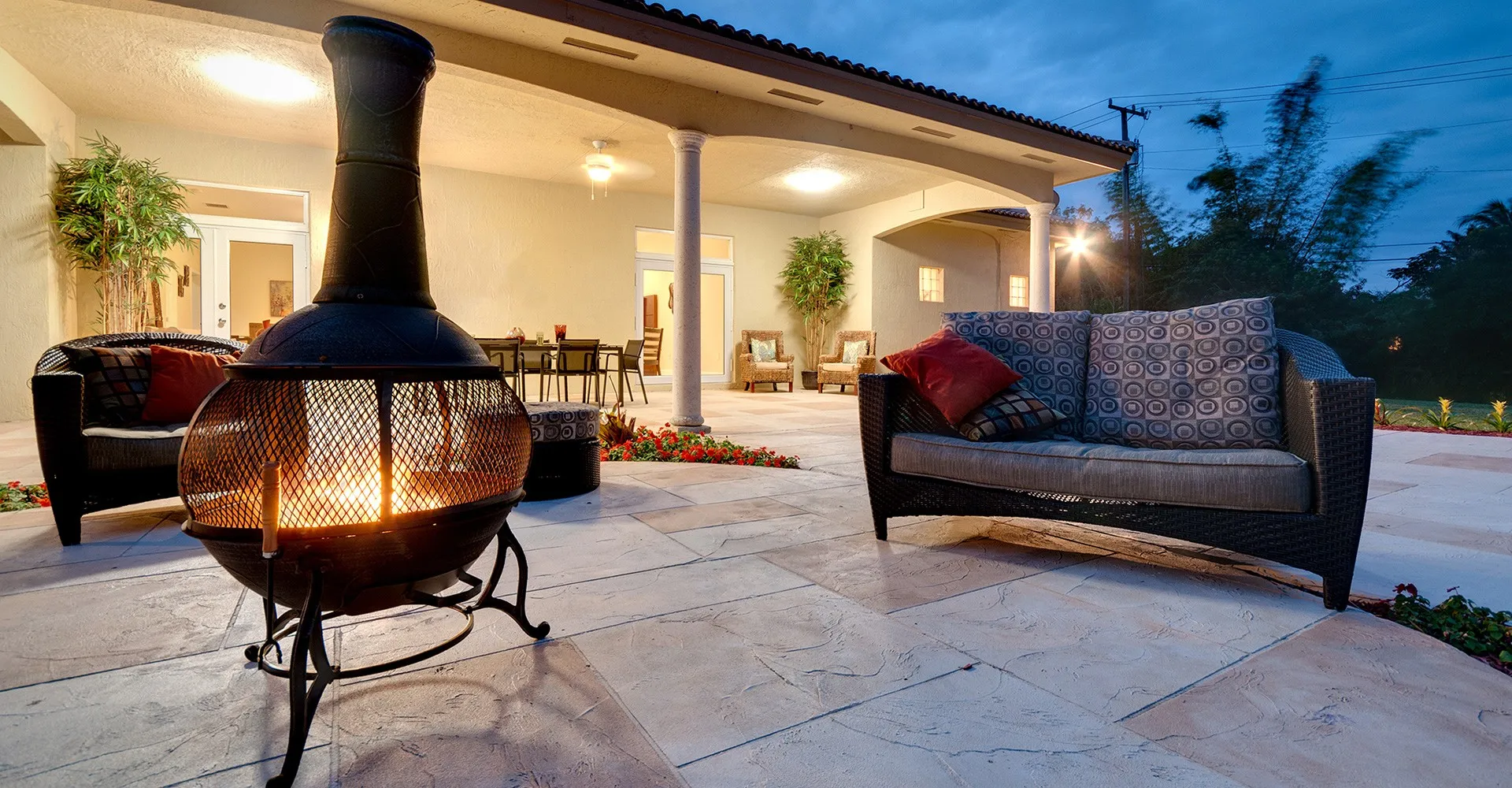
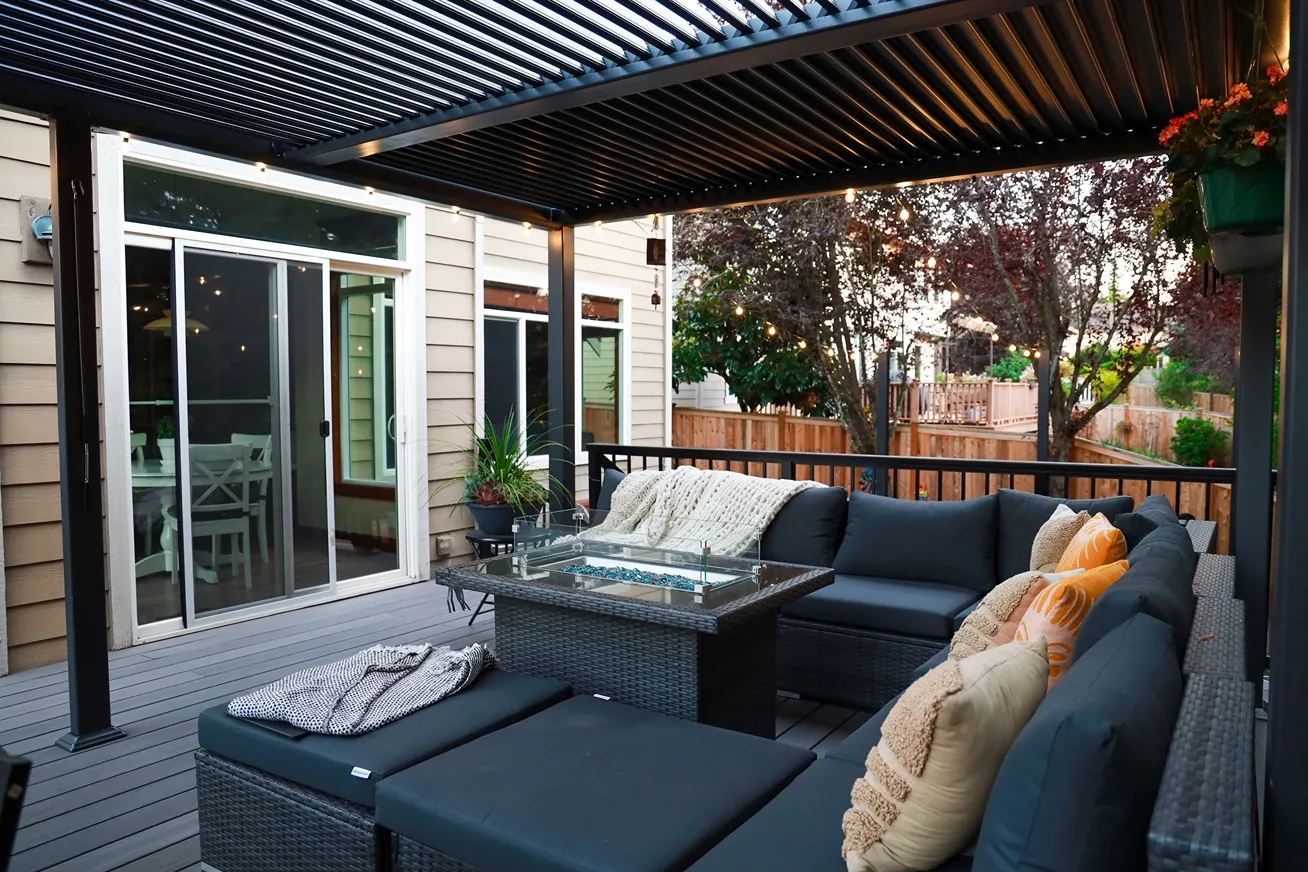
Outdoor Kitchens and Fire Features A cozy outdoor seating area around a fire pit or outdoor kitchen extends the usable season in Seattle significantly. These features create a warm, inviting atmosphere and are among the highest-impact backyard hardscape ideas for resale value.
Pathways and Stone Steps Pathways connect outdoor spaces and improve safety on sloped ground. Stone steps with proper drainage built in prevent the heaving and shifting that wet winters cause.
Browse our completed hardscape projects in Seattle to see how these ideas translate to real yards.

How much does hardscaping cost? Backyard hardscape pricing in Seattle varies based on materials, square footage, site conditions, and design complexity.
Backyard hardscape pricing increases when sites require deep excavation, have poor soil conditions, or sit on sloped yards that need significant grading before work can begin. Permit requirements vary by city and county in the Seattle area, so always check with your local municipality before planning your budget.
💡 Pro Tip: Use a rough hardscape cost calculator approach before your first consultation. List every element you want, then prioritize by function. This gives your contractor a clear scope to price accurately rather than estimating blindly.
Paver patio cost is one of the most searched hardscaping topics for a reason. Most homeowners want to know what they will pay before committing.
Industry professionals generally recommend getting at least two or three quotes with detailed scope documents before committing to a contractor for any paver project.
Many homeowners focus on the visible materials when reviewing a quote. But backyard hardscape pricing almost always involves line items that are easy to miss.
A realistic budget accounts for all of these items. If a quote seems low, ask what it does not include.
Seattle's wet winters and mild summers create specific durability requirements. Not all materials perform equally in this local climate.
Need help choosing the right material for your Seattle yard? Our hardscaping services page covers what we install and how to get a quote.
Natural stone and quality concrete pavers hold up well in Seattle's wet climate, where constant moisture and soil movement, more than hard freezes, are what wear materials down over time. Choosing materials with good long-term performance and pairing them with proper drainage costs more upfront but reduces future repairs over a decade of use.
How to choose the right contractor for your hardscaping project is a decision that affects your result as much as the materials you select.
1. Portfolio of Local Projects Ask to see photos of completed hardscape projects in Seattle or the surrounding area. Local climate experience matters. A contractor who has built retaining walls on sloped Seattle lots understands drainage requirements specific to this region.
2. Detailed Written Quotes A good contractor provides a detailed scope of work, not just a total price. Every element should be listed with materials specified.
3. Knowledge of Local Permits Your contractor should know when permits are required and be willing to pull them. Contractors who suggest skipping permits create liability for you as the homeowner.
4. References and Reviews Ask for references from clients with similar project types. Read reviews that mention how the contractor handled problems, not just projects that went smoothly.
5. Clear Communication The design and build process involves many decisions. A contractor who explains options clearly and responds promptly is worth more than a slightly lower bid.
Learn how Angkorscape approaches every hardscape project from initial consultation through final walkthrough.
💡 Pro Tip: Avoid contractors who cannot explain why they are recommending a specific material or drainage approach. A knowledgeable contractor welcomes questions.

Understanding what is hardscaping is the foundation for planning any serious outdoor project in Seattle. Hardscape elements define how you live outside, protect your property from drainage issues, and create lasting value that plants alone cannot deliver. Whether you are planning a paver patio, a retaining wall, or a full outdoor living space, the right contractor and a solid plan make all the difference. Ready to start planning your project? Contact Angkorscape and let us help you build something built to last.


Hardscaping refers to the built, non-plant elements of a landscape such as patios, retaining walls, pathways, and outdoor kitchens. Landscaping includes both hardscape elements and the living elements like plants, grass, and trees. Most professional outdoor projects combine both.
Backyard hardscape pricing in Seattle varies widely based on project type, materials, square footage, and site conditions. Sloped yards, poor soil conditions, and complex designs all push costs higher, so the best way to get an accurate number is through a detailed site assessment.
Popular backyard hardscape ideas in Seattle include paver patios, retaining walls, stone steps, outdoor kitchens, and fire pits. Designs that account for Seattle's rainfall and drainage requirements hold up significantly better over time than those that do not.
Permit requirements vary by city and county throughout the Greater Seattle area. Retaining walls over a certain height and structures like outdoor fireplaces commonly require permits. Always check with your local municipality before starting any hardscape project.
Look for a contractor with a strong portfolio of local hardscape projects, detailed written quotes, and clear knowledge of permit requirements. References from similar project types and transparent communication throughout the process are strong indicators of a reliable company.
Serving Bellevue and the Eastside homeowners with custom outdoor living spaces. One process, one team, one result.
Contractors License : ANGKOI*750PA





.png)