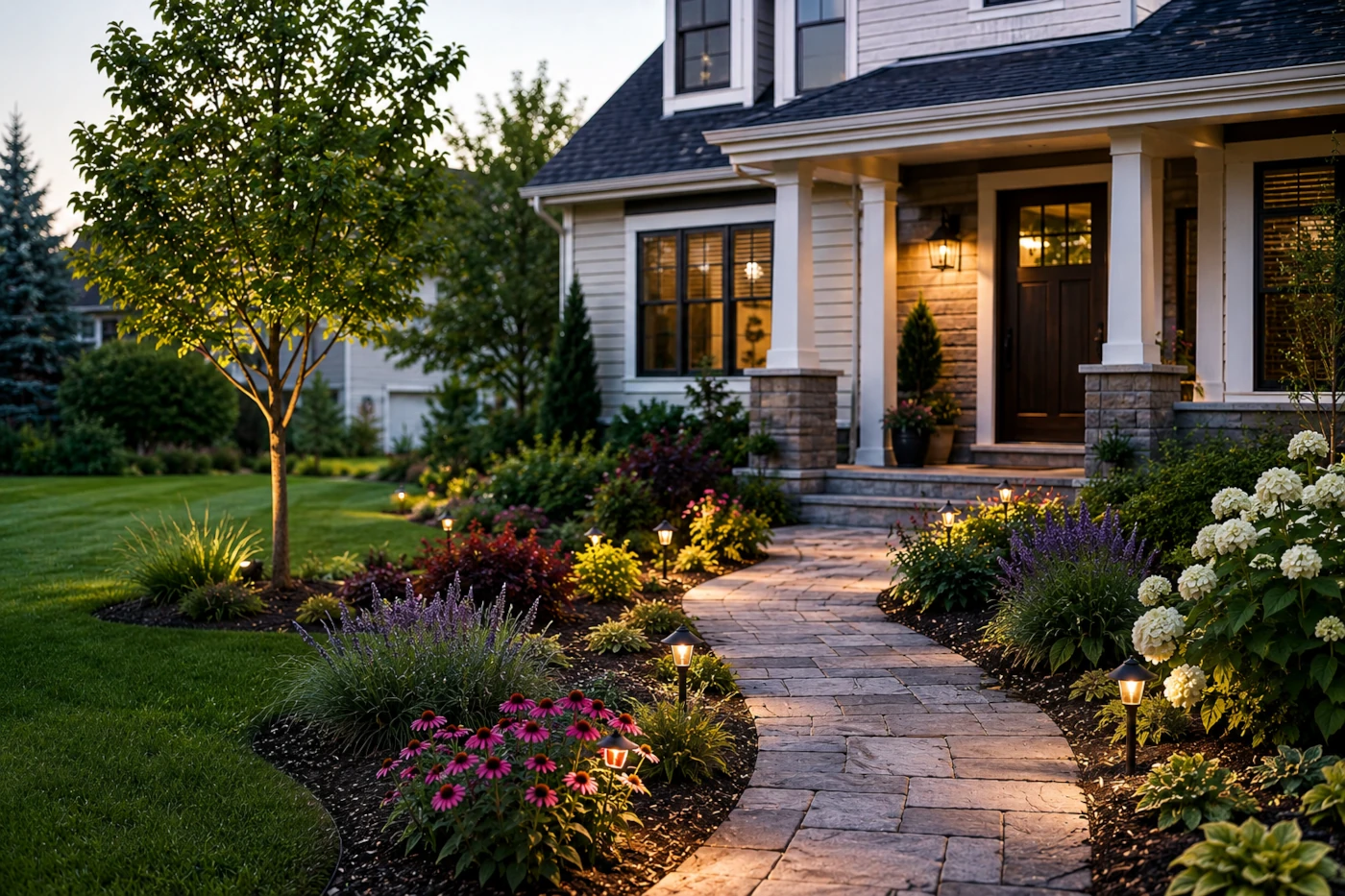
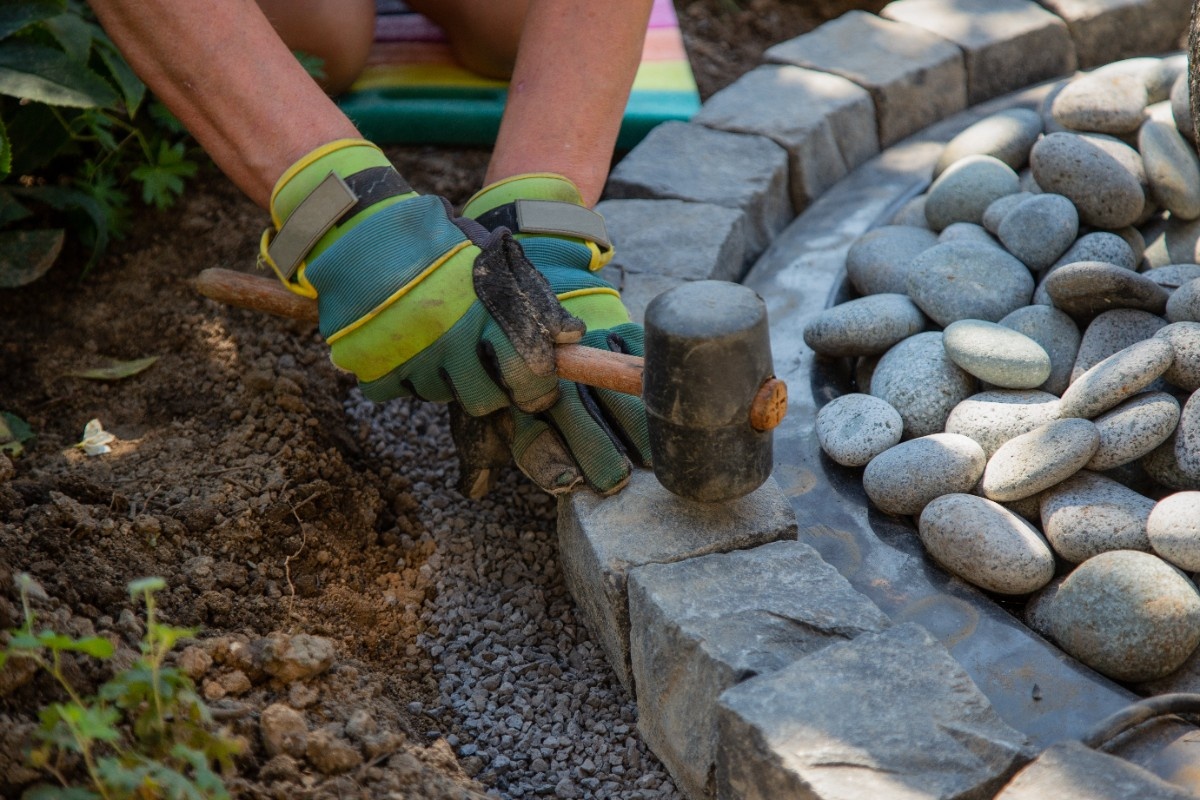
Understanding what does a landscape designer do can save you time, money, and frustration before your first shovel hits the ground in the Pacific Northwest.
June 26, 2026
•
8-minute read
Most homeowners think of landscaping as planting trees and laying sod. But a professional landscape designer does far more than that. They study your property's geographical features, environmental conditions, and architectural styles to create a comprehensive plan that works for your specific site. In Seattle, where soil conditions, rainfall, and city permit requirements all vary by neighborhood, having a designer in your corner from the start makes a real difference. At Angkorscape, this is exactly the kind of work we do every day.
A landscape designer is the person who translates your backyard goals into a buildable, detailed plan. They assess your site, define the project scope, select plant material, and produce construction documents that guide the entire project from start to finish.
A good designer thinks about the big picture first. They consider how plants grow over a few years, how structures relate to your home's curb appeal, and how the natural environment interacts with your outdoor space.
This is one of the most common questions homeowners ask before hiring. The short answer: landscape architects are licensed professionals with a bachelor's degree in landscape architecture, while landscape designers may have design training and experience without state licensure.
For most residential projects in Seattle, a skilled landscape designer handles everything you need. Landscape architects are typically required for large-scale or complex projects involving major grading, public land, or structural engineering.
Yes, in most cases a landscape designer will identify what permits your project requires and help you navigate the process. However, permit requirements vary by city and county, so always verify with your local municipality before construction starts.
A designer who knows Seattle's land use codes will flag these issues early. That prevents delays after construction starts.
Knowing what to expect when hiring a landscape designer helps you prepare and move faster. Here is how the process typically unfolds.
1. Initial Consultation: You share your vision, goals, and budget. The designer asks questions about how you use your outdoor space, what maintenance level you want, and what your timeline looks like. This first meeting sets the tone for the entire project.
2. Site Assessment: The designer visits your property and conducts a thorough site assessment. They document property lines, existing trees, sun patterns, drainage, soil conditions, and any geographical features that affect the design.
3. Concept Development: A design concept is created based on the site assessment and your goals. This may include rough sketches, mood boards, or reference images. The goal is to align on a design perspective before drafting anything formal.
4. Master Plan and Construction Documents: The designer produces site plans, planting plans, and construction documents. These are the detailed drawings that contractors use to build the project. You can see how Angkorscape approaches this phase on our landscape design process page.
5. Review and Revisions: You review the plans and request changes. Most designers include one or two revision rounds in the project scope.
6. Handoff or Project Management: Some designers hand off plans to your contractor. Others stay involved through installation to protect design intent on site.
💡 Pro Tip: Hire your landscape designer before you hire a contractor. Many homeowners make the common mistake of booking a contractor first, then trying to fit a design around what the contractor prefers to build. Start with the plan.

A professional landscape design package typically includes everything needed to price, permit, and build your outdoor space. The exact deliverables vary by designer, but most comprehensive plans cover these items.
Some designers also provide 3D renderings, outdoor living mood boards, or project management services. Ask about these during your initial consultation.
Hire a landscape designer as early as possible. Ideally, before permits are pulled and before any construction starts.
The off season (late fall through early winter in Seattle) is actually the best time to begin the design process. Designers have more availability, and your plan will be ready to begin immediately when peak season arrives in spring.
Having the right information ready speeds up your landscape design consultation. Here is a quick checklist to bring to your first meeting.
💡 Pro Tip: Screenshot inspiration images from design sites or social media before your first meeting. Designers use visual references to understand your style faster than written descriptions alone.
Explore our completed projects portfolio to get a sense of what is possible before your consultation.
Understanding these pitfalls helps you avoid wasted time and money before the design process even begins.

Understanding what does a landscape designer do is the first step toward a backyard you will actually love. A designer brings structure to your vision, practical knowledge about your site, and a plan that makes every dollar you spend work harder. Whether you are dreaming of a full outdoor living space or just a cleaner, more functional yard, working with a professional designer from the start is worth it. See our landscaping and hardscaping services to understand the full scope of what Angkorscape designs and builds across Greater Seattle. Ready to see what is possible for your Seattle property? Schedule your consultation with Angkorscape and let us help you build something worth coming home to.

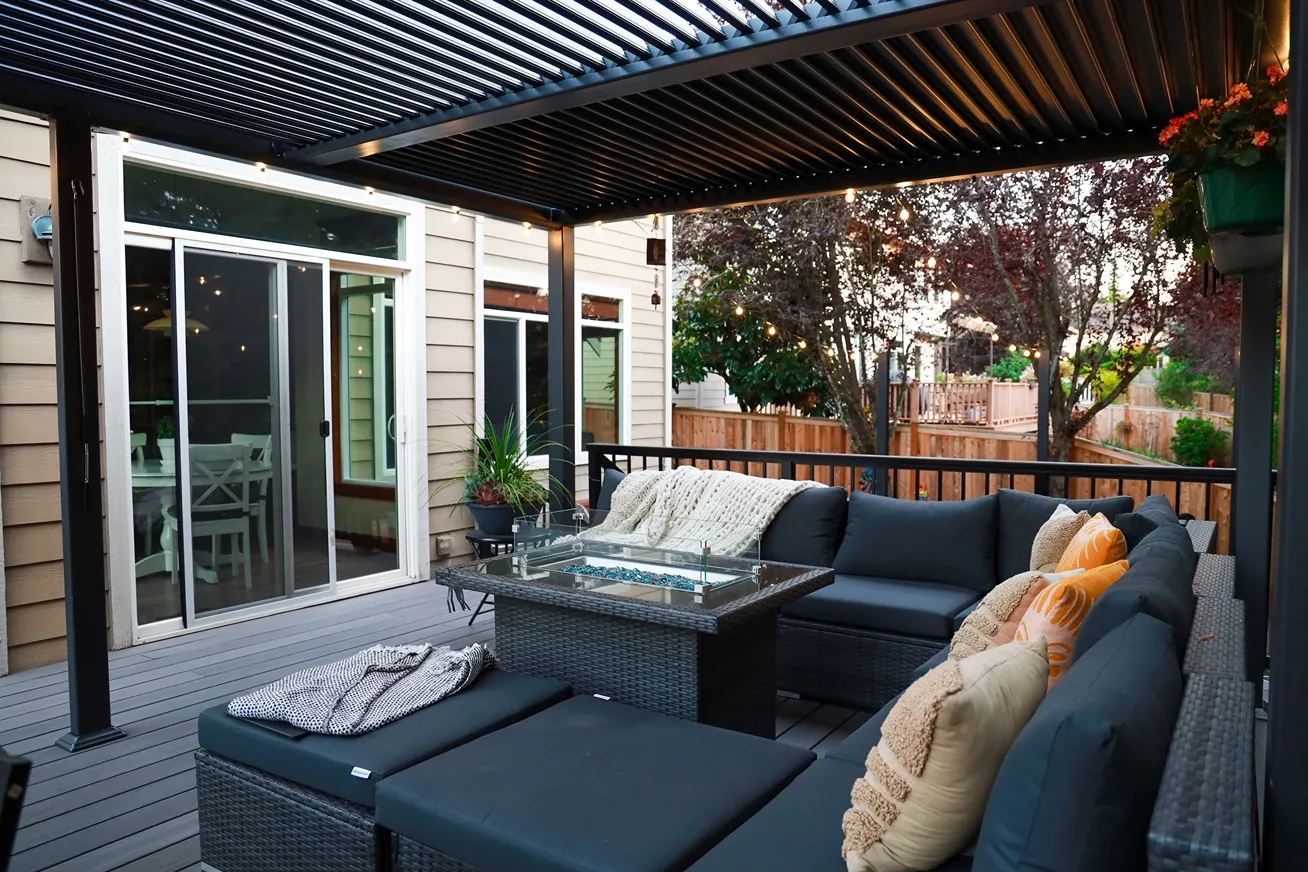

During the initial consultation, a landscape designer listens to your goals, asks about your budget and timeline, and begins understanding your site's conditions. This first meeting shapes the scope of work for landscape design and sets expectations for the entire process.
The scope of work for landscape design typically includes site assessment, master planning, planting plans, and construction documents. Depending on the project, it may also cover grading, structure design, and project management through installation.
When hiring a landscape designer includes an initial consultation, a site visit, a design concept phase, and final plan delivery. Most projects take several weeks from first meeting to completed drawings, depending on project complexity.
A landscape architect holds a state license and a bachelor's degree in landscape architecture, while a landscape designer typically has design training and experience without licensure. For most residential projects, a landscape designer provides everything you need at a lower cost.
A landscape designer will typically identify what permits your project requires and guide you through the process. However, permit requirements vary by city and county, so confirm specifics with your local municipality before construction begins.
You should hire a landscape designer before permits are pulled and before any major construction starts. Early involvement ensures the outdoor space integrates with your home's architecture and avoids costly plan changes mid-project.

Serving Bellevue and the Eastside homeowners with custom outdoor living spaces. One process, one team, one result.
Contractors License : ANGKOI*750PA




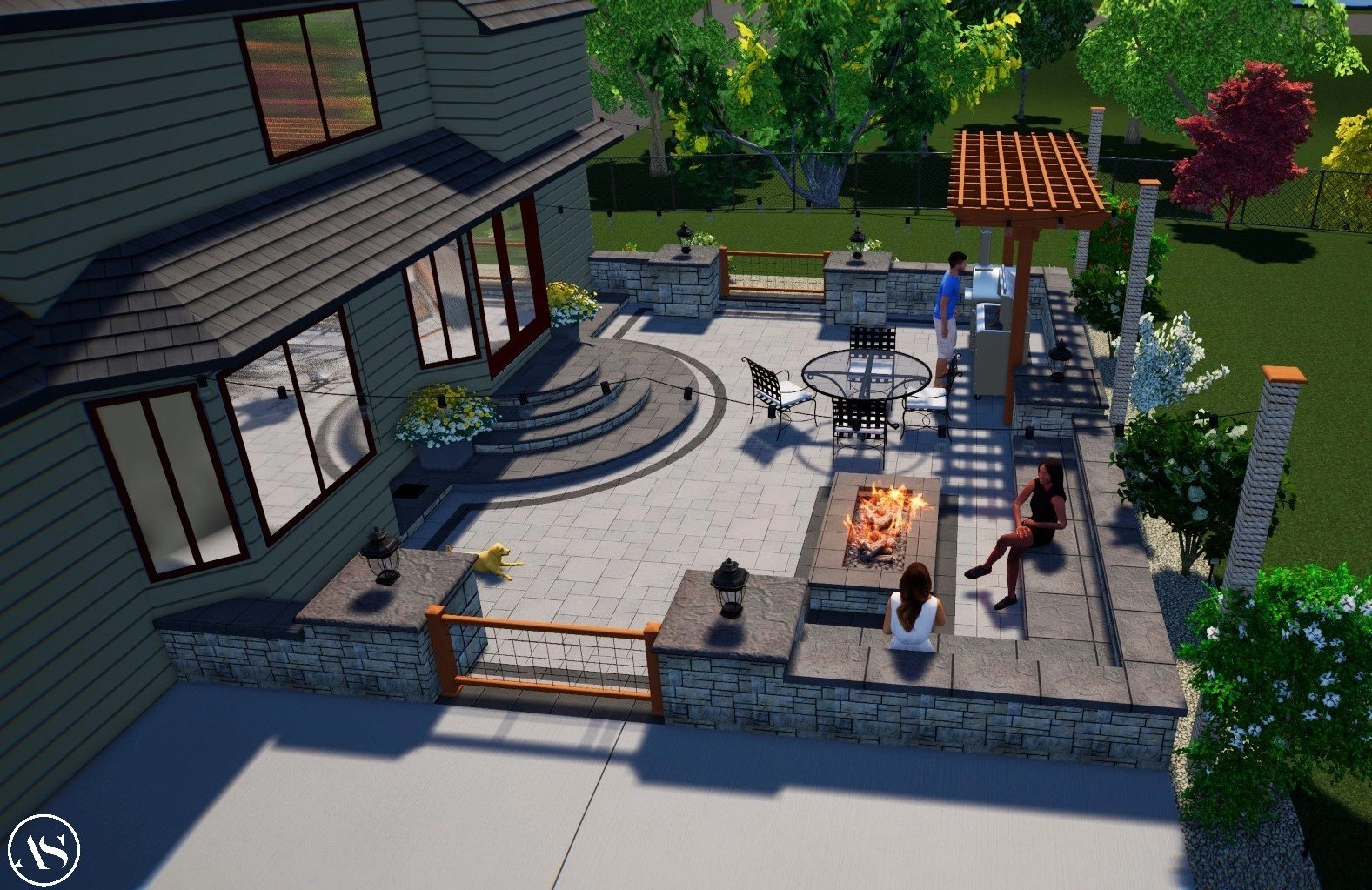
.png)