A small backyard doesn't have to mean sacrificing style or comfort — with the right design approach, even the most compact outdoor space can feel luxurious and functional. By combining vertical gardening, smart hardscaping, ambient lighting, and well-proportioned furniture, any yard can be transformed into an elegant retreat tailored to your lifestyle.
June 17, 2026
•
3 min read
A sprawling garden isn’t the only way to create an enchanting outdoor oasis. For homeowners in bustling areas or with limited yard space, transforming a compact area into a functional and elegant escape can feel challenging. But, with the right backyard design approach, even the tiniest space can blossom into a luxurious retreat. Here’s how:
When floor space is at a premium, it’s time to think vertically. Vertical gardening, wall-mounted planters, or climbing plants on trellises can add layers of green without eating up square footage. This is one of the most effective small backyard ideas to create the illusion of a larger space while infusing nature into every nook and cranny.
Hardscape isn’t just about pathways or patios. Consider multi-functional designs like built-in benches that double up as storage or a raised deck that provides a sheltered spot underneath. These hardscape elements ensure your backyard isn’t just stylish but also serves multiple purposes.
Strategic lighting can make a space feel larger. Using soft outdoor lights in specific areas, like near a water feature or highlighting a particular plant, can draw the eyes around the yard, giving the illusion of a more expansive area. This tactic, combined with reflective elements like water or mirrors, can double the visual depth of your backyard design.
When working with limited space, every inch matters. Integrating hardscape designs for small yards allows you to create “zones” in your backyard. For example, using different materials to distinguish a lounging area from a dining spot, or an outdoor kitchen from a fireplace. Pavers, stepping stones, or gravel can be used to design pathways that guide visitors through your space and create a flow, making it feel organized and spacious. All of this is carefully thought through as we design your dream outdoor oasis.
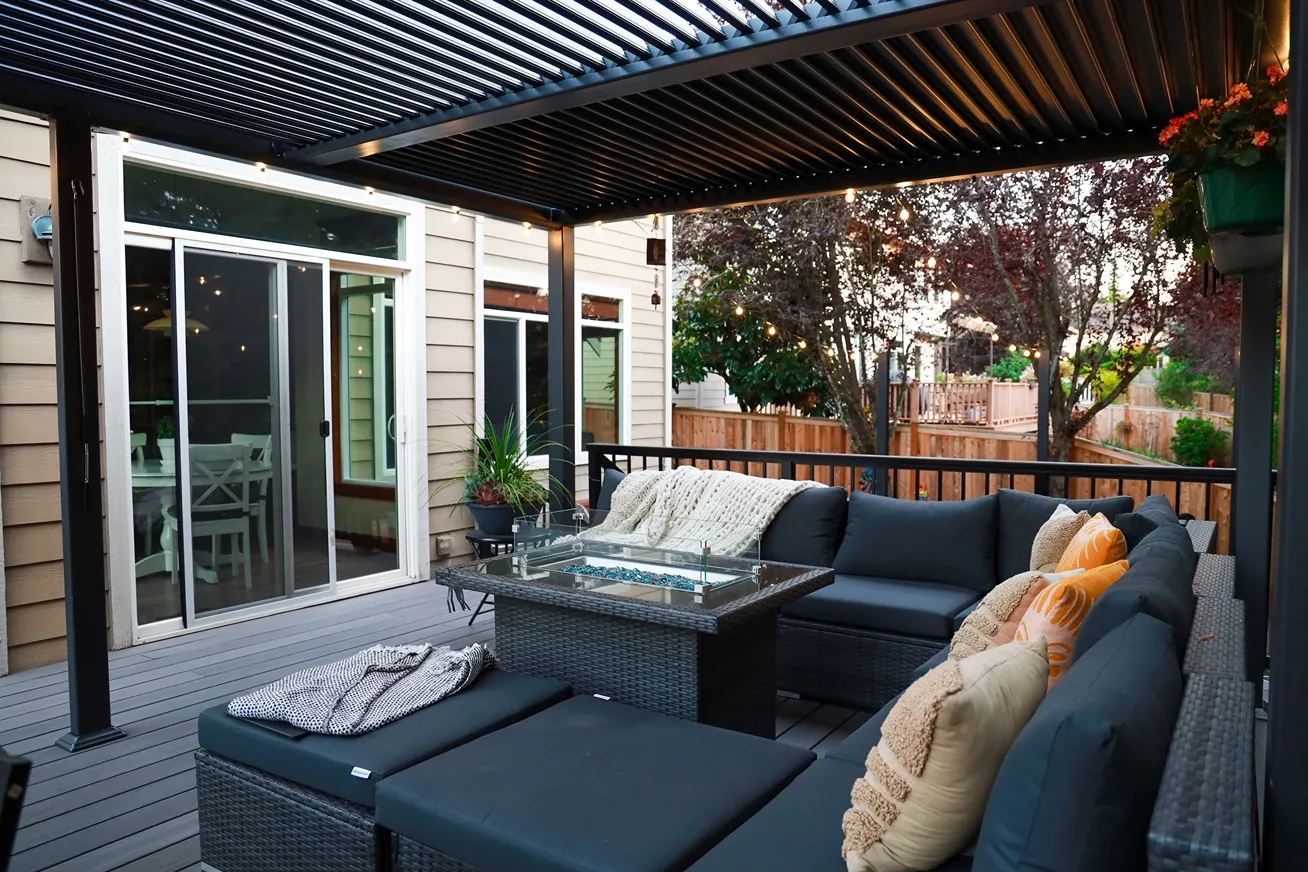
In small spaces, a single design element can have a significant impact. Instead of trying to fit in multiple features, consider one bold statement piece: a uniquely designed fire pit, an intricate water feature, or maybe even an artistic sculpture. By focusing on one major element, you provide a focal point that captures attention and elevates the overall ambiance. We always look to incorporate the homeowners’ overall desired look and feel to determine the special design element.
Oversized furniture can quickly overwhelm a compact yard. Opt for sleek, functional, and foldable pieces that are proportional to the space. Usability is key when determining which furniture and decor is best for our clients. Modern outdoor furniture offers plenty of stylish options that cater to smaller backyards without compromising on luxury which is especially important given the extreme Washington state seasons!
Having a small backyard doesn’t mean sacrificing style or functionality. By combining strategic backyard design with clever hardscape solutions, even the most compact spaces can become the ultimate outdoor haven. Whether you’re in the heart of the city or nestled in a cozy suburb, these design solutions ensure that your little patch of the outdoors feels grand in luxury and comfort.
If you are looking to reimagine your Outdoor Living Space, no matter how big or small, reach out to us. We’d be happy to help!
Proudly serving King County, Snohomish County, and Pierce County Washington.


The timeline depends on the scope of your project, but most residential landscaping jobs range from a few days to several weeks. Larger design-build projects involving hardscaping, irrigation, and planting can take four to eight weeks from start to finish.
Spring and early fall are ideal for most landscaping work in the Pacific Northwest. Spring allows plants to establish before summer heat, while fall gives roots time to develop before winter. That said, planning should begin months in advance to secure your spot on a contractor's schedule.
Professional landscaping costs vary widely based on the size of your yard, materials chosen, and complexity of the design. Basic lawn and planting projects may start in the low thousands, while full design-build backyard transformations can range from $20,000 to $100,000 or more.
Some landscaping projects require permits, particularly those involving retaining walls, grading, drainage changes, or large structures like pergolas and outdoor kitchens. A professional contractor like Angkorscape handles the permitting process as part of the project.
Look for a company with a strong portfolio of completed projects, verifiable reviews, clear communication, and a transparent design process. An all-in-one design-build firm is ideal because it keeps design and construction aligned under one team.
Regular maintenance includes mowing, pruning, fertilizing, and seasonal clean-ups. Your contractor should provide a maintenance plan tailored to the specific plants and materials used in your project to keep everything looking its best year-round.
Serving Bellevue and the Eastside homeowners with custom outdoor living spaces. One process, one team, one result.
Contractors License : ANGKOI*750PA