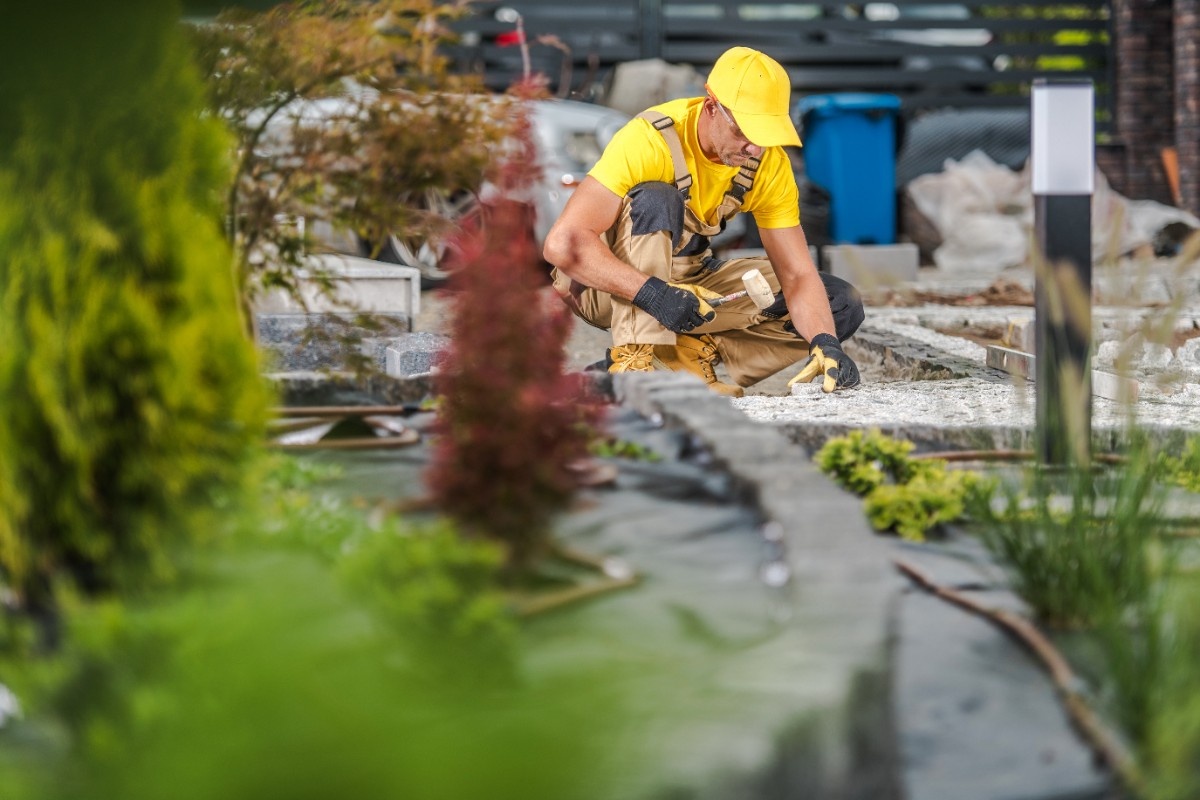
A fire pit Seattle homeowners actually use year-round takes more planning than a weekend install. Find out what shapes a fire feature built for the PNW climate and your property.
June 26, 2026
•
10-minute read
A fire feature is what keeps a backyard in use when the evening air turns cool and the season says it should be over. That is exactly why backyard fire features rank among the most requested elements on high-end properties from Mercer Island to Magnolia.
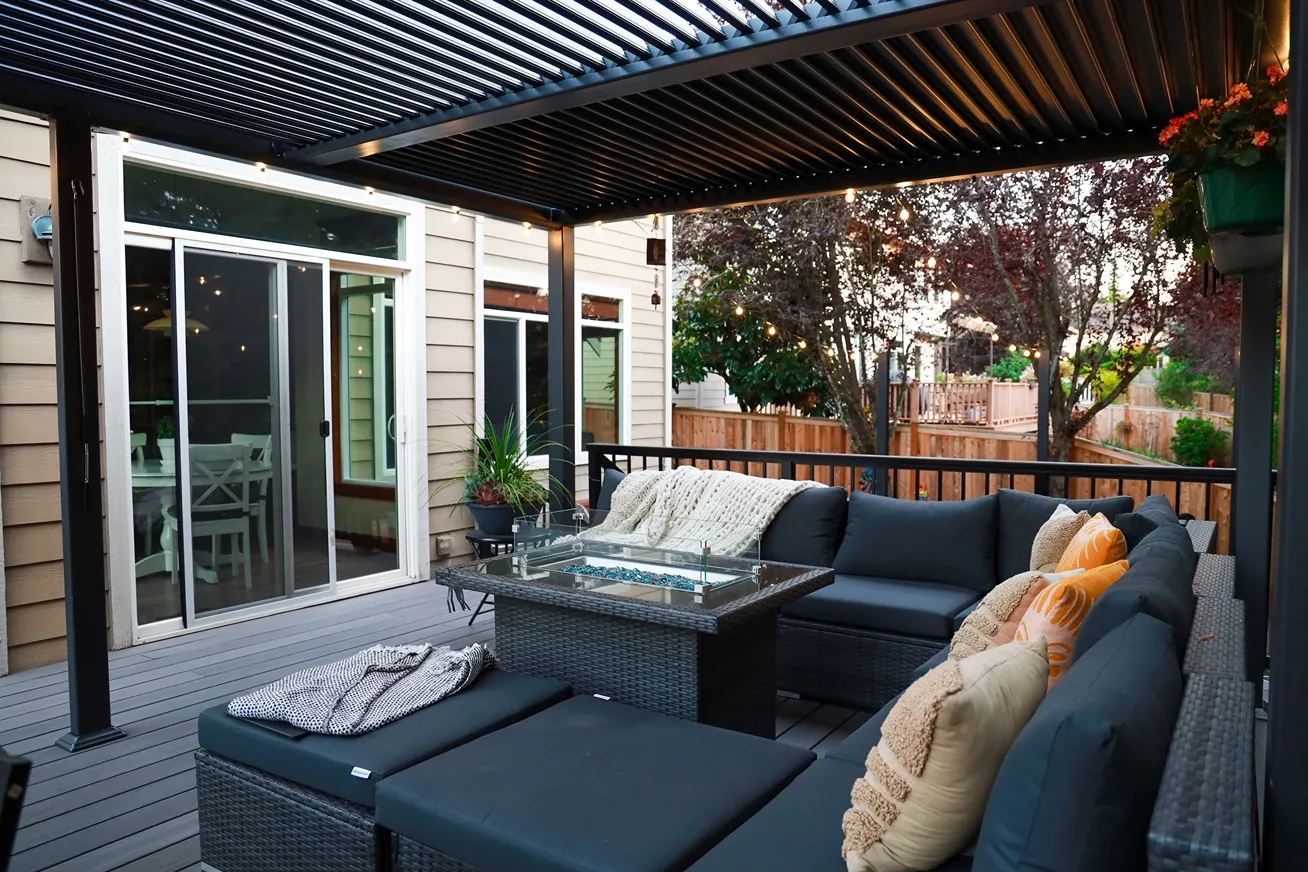
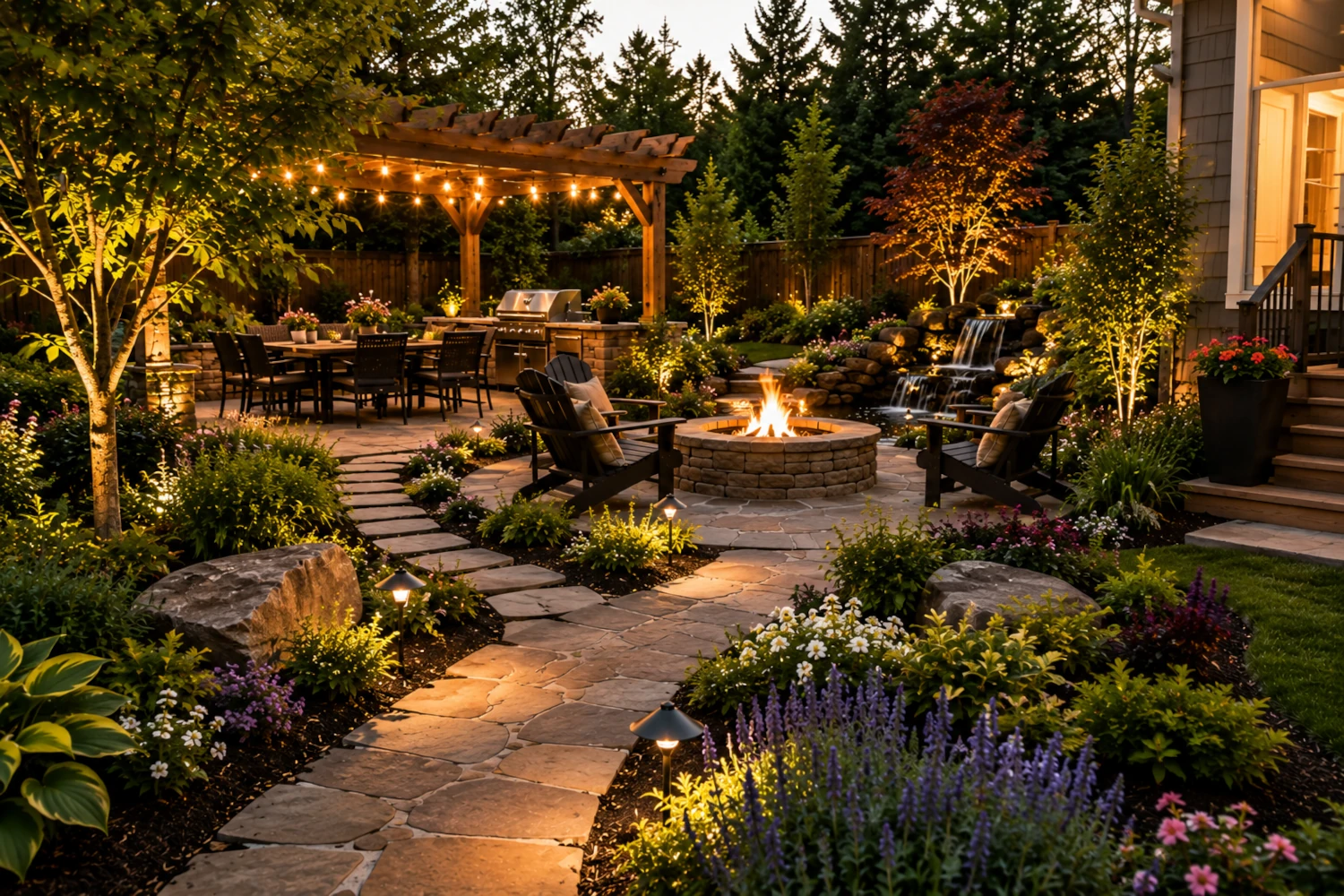
On the properties we work on, a fire feature is rarely a standalone object. A well-placed fire pit Seattle design anchors a seating area, draws people outside on a damp October evening, and gives an outdoor room a reason to exist past Labor Day. It works as one move within a larger composition: a focal point set against a paver patio, framed by a seating wall, or positioned to hold a sightline toward Lake Washington, Puget Sound, or the Cascades.
What separates a premium build from a prefabricated kit:
The first design fork is built-in versus freestanding.
A built-in masonry fire pit becomes part of the architecture of the yard, tied into surrounding hardscape and seating. A freestanding sculptural feature offers more placement flexibility and can act as a movable focal point. For most premium projects, the built-in approach wins because it integrates cleanly with patios, walls, and the overall flow of the space.
Material choice matters more here than in almost any other landscape element. Strong options for our climate include:
All of these materials fall within Angkorscape's hardscaping scope — we build fire features as integrated elements of a larger patio and outdoor living design.
An outdoor fireplace Seattle homeowners choose is the vertical alternative to a pit. Thoughtful outdoor fireplace design does more than throw heat: a tall hearth blocks wind, creates privacy from neighbors on a tight lot, and gives a patio real architectural presence. On sloped View Ridge or Issaquah Highlands lots, a fireplace built into a terraced grade can turn an awkward elevation change into the best seat in the yard.
Scale is the detail amateurs miss. A feature sized for a magazine photo looks undersized on a half-acre Clyde Hill property and overwhelming on a compact Ballard lot. Getting that proportion right is part of why a designed backyard fire feature Seattle project looks composed rather than improvised.

Fuel type drives everything downstream: cost, code, maintenance, and how often you actually light it. The real decision is convenience versus ambiance.
Natural gas is the low-friction choice. Push-button start, no smoke, no ash, no firewood to store, and no interruption when an air-quality burn ban hits. The tradeoff is that it needs a gas line run to the feature, which adds to the install.
Propane offers similar clean-burning convenience without a permanent gas line, giving more placement flexibility. The tradeoff is tank storage and management, which can feel out of step with an otherwise polished build.
Wood-burning delivers what gas cannot fake: the crackle, the smell, the radiant heat of a real fire. It also brings smoke, ash cleanup, firewood storage, and the regulatory reality that wood fires are first to be shut down when the Puget Sound Clean Air Agency calls a burn ban.
For many premium projects, the answer is gas for everyday use, with wood reserved for clients who specifically want that traditional experience. A good fire pit Seattle plan matches the fuel to how the household will really use the space.
This is where local knowledge earns its keep, because the rules genuinely differ across the region and shift with the seasons.
For recreational wood or charcoal fires, the Seattle Fire Code sets clear limits: no more than three feet in diameter and two feet high, sited at least 25 feet from any structure or combustible material. Those numbers are the baseline most Puget Sound municipalities follow, though Seattle treats recreational fires more restrictively than outlying areas given its density.
What to plan around:
On a high-investment build, handling permits and code compliance properly protects the work and keeps a six-figure outdoor project from running into trouble after the fact.

On a premium property, cost is less about a national average and more about what you are actually building. For reference, basic prefabricated pits sit in the low hundreds and simple gas installs often start in the $3,500 to $8,000 range, but custom design-build work for an estate-level landscape lives well above that floor.
What actually drives the investment:
An outdoor fireplace cost Seattle project sits higher than a pit, because a fireplace means more material, more mass, and chimney or venting work. For fully integrated custom fire pit and built-in fire pit work, the feature is best understood as one line within a larger backyard investment. Complete outdoor living projects in our region regularly reach well into the six figures, and a thoughtfully designed fire pit Seattle installation is often the heart of that composition.
A fire feature here has to make peace with moisture. Wet seasons, moss, and freeze-prone nights at higher elevations all test materials and workmanship over time.
What protects the long-term investment:
Build quality is what separates a feature that looks sharp at fifteen years from one that shows wear by year three.
The throughline across design, fuel, permits, and cost is that a great fire feature is never an off-the-shelf decision. It comes down to how your yard handles the climate, how your household actually spends evenings outside, and how the feature ties into everything around it.
That is the work Angkorscape does across Greater Seattle. We design and build fire pits and outdoor fireplaces as integrated parts of a larger outdoor living vision, not as add-ons bolted onto a finished yard. If you are weighing options for your own property, our team is glad to walk your space, talk through what suits the site, and map out a feature worth gathering around. Reach out to start that conversation.


Small recreational wood or charcoal fires that stay under three feet in diameter and two feet high generally do not require a permit. Gas line work and permanent built-in features usually do, and requirements vary across King, Pierce, and Snohomish Counties, so confirm for your specific jurisdiction.
Gas is the more practical choice for year-round use because it lights instantly, makes no smoke, and is not shut down during air-quality burn bans. Wood-burning offers a more authentic experience but comes with smoke, cleanup, firewood storage, and burn-ban interruptions.
Wood-burning and charcoal fires are prohibited during air-quality and most fire-safety burn bans issued by the Puget Sound Clean Air Agency and local fire marshals. Properly installed natural gas features are generally not affected, which is one of their biggest practical advantages here.
It varies widely with materials, fuel type, and site work. Simpler gas installations often fall in the $3,500 to $8,000 range, while fully custom masonry features integrated into a larger landscape design cost considerably more.
A fire pit is an open, lower feature people gather around from all sides. An outdoor fireplace is a vertical structure with a hearth and chimney that throws heat in one direction, blocks wind, and adds privacy and architectural presence.
There are clearance rules to respect. Recreational fires must sit at least 25 feet from structures and combustible materials, and built-in features need non-combustible surfaces and proper setbacks, which is part of what professional planning handles.
Dense natural stone like basalt and granite, natural stone veneer over a structural core, and board-formed concrete all perform well against heat and moisture. The priority is choosing materials that resist moss and moisture damage over years of wet seasons.
Yes, though it depends on the existing layout, surface, and access to a gas line if you want gas. A well-integrated retrofit considers drainage, clearances, and how the feature ties into the patio and seating you already have.
Serving Greater Seattle homeowners with custom outdoor living spaces. One process, one team, one result.
Contractors License : ANGKOI*750PA




.png)