A well-designed kid-friendly backyard balances safety, creativity, and education to create a space where children can play, explore, and grow. With the right surfacing, age-appropriate features, and thoughtful landscaping, your backyard can become the ultimate family retreat in King, Pierce, and Snohomish Counties.
June 17, 2026
•
3 min read
Creating a beautiful backyard landscape starts with understanding your space and planning each element carefully. This guide covers everything from assessing your yard to choosing plants and adding lighting. A trusted landscape design team would tell you these steps lead to Outdoor Spaces that work well and look great. You’ll learn how to zone different areas, select the right hardscaping, and maintain everything properly. These tips help you turn your yard into a relaxing outdoor retreat.
Start by measuring your yard and noting what already exists there. Consider the sun’s path throughout the day, as this affects the placement of plants and seating areas. Check your soil quality and how water drains after rain to plan properly. Notice which spots get strong winds and where you need more privacy from neighbors. Taking time to understand your backyard landscape helps you make smart design choices that last.
Pick plants that match your yard’s sunlight, soil, and weather conditions. Consider plant height, color, texture, and bloom times to create visual interest. Mix shrubs, flowers, and trees to add layers and depth to your design. Check how big plants will grow so you don’t crowd them later. Plants that thrive in your specific conditions require less maintenance and stay healthier for longer.
Hardscaping, like pathways, patios, and retaining walls, gives structure to your yard. Choose materials that match your home’s style and existing outdoor features. Natural stone, wood, and concrete each bring different textures and looks to your design. Add focal points, such as fire pits or water features, to make spaces more interesting. Good hardscaping makes your yard more usable and easier to maintain throughout the year.
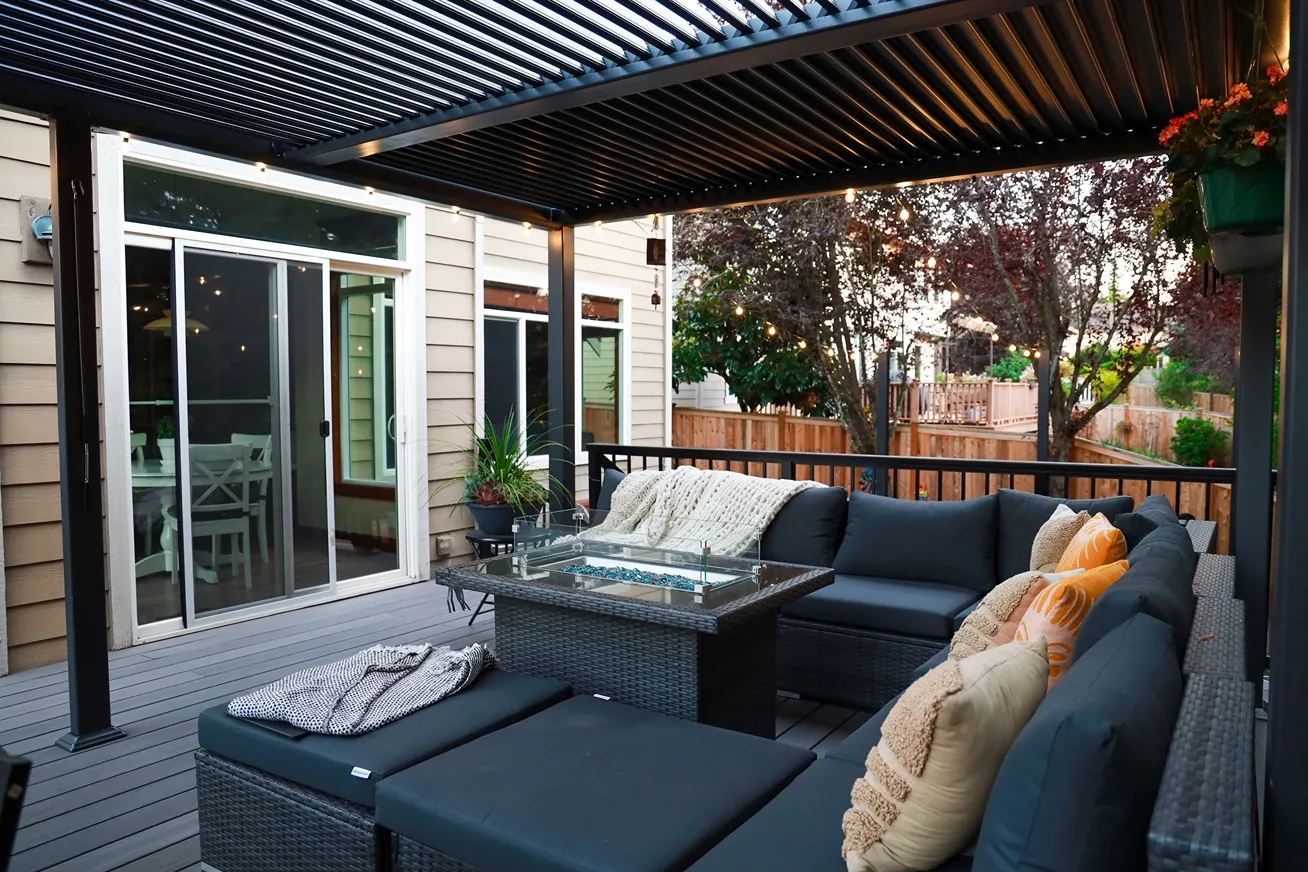
Divide your yard into different areas for dining, relaxing, playing, and gardening. Consider how close each zone should be to your house and where you require privacy. Add pergolas for shade, fire pits for warmth, and clear paths between areas. Each zone should serve a specific purpose while flowing naturally into the next. Smart zoning optimizes your yard for how you actually use it.
Outdoor lighting extends how long you can enjoy your yard each day. Pathway lights guide visitors while creating a warm glow along walkways. Uplights aimed at trees create dramatic shadows and highlight your landscaping at night. String lights add a festive feel, perfect for gatherings or quiet evenings outside. LED spotlights can effectively showcase water features, sculptures, or architectural details that you want to highlight.
Establish a regular schedule for mowing, pruning, weeding, and inspecting your irrigation system. Inspect patios, decks, and walkways for damage that needs fixing. Clean outdoor furniture, remove fallen leaves, and sweep pathways to maintain a tidy appearance. Apply fertilizer and mulch when plants need it, and watch for pests. Staying on top of these tasks keeps your yard looking good and prevents bigger problems later.


The timeline depends on the scope of your project, but most residential landscaping jobs range from a few days to several weeks. Larger design-build projects involving hardscaping, irrigation, and planting can take four to eight weeks from start to finish.
Spring and early fall are ideal for most landscaping work in the Pacific Northwest. Spring allows plants to establish before summer heat, while fall gives roots time to develop before winter. That said, planning should begin months in advance to secure your spot on a contractor's schedule.
Professional landscaping costs vary widely based on the size of your yard, materials chosen, and complexity of the design. Basic lawn and planting projects may start in the low thousands, while full design-build backyard transformations can range from $20,000 to $100,000 or more.
Some landscaping projects require permits, particularly those involving retaining walls, grading, drainage changes, or large structures like pergolas and outdoor kitchens. A professional contractor like Angkorscape handles the permitting process as part of the project.
Look for a company with a strong portfolio of completed projects, verifiable reviews, clear communication, and a transparent design process. An all-in-one design-build firm is ideal because it keeps design and construction aligned under one team.
Regular maintenance includes mowing, pruning, fertilizing, and seasonal clean-ups. Your contractor should provide a maintenance plan tailored to the specific plants and materials used in your project to keep everything looking its best year-round.
Serving Greater Seattle homeowners with custom outdoor living spaces. One process, one team, one result.
Contractors License : ANGKOI*750PA