Designing a front yard landscape that enhances your home's exterior appeal requires thoughtful planning, careful plant selection, and the incorporation of design elements that suit your space.
June 17, 2026
•
4 min read
Designing a front yard landscape that enhances your home’s exterior appeal requires thoughtful planning, careful plant selection, and the incorporation of design elements that suit your space. Begin by evaluating the size and orientation of your yard, taking into account factors such as sunlight, soil quality, and climate. By selecting the right plants, incorporating hardscape features, and adding lighting, you can transform your front yard into an inviting and functional space. For expert guidance, Seattle’s best landscape design can help you create a landscape that complements your home. Let’s explore how you can design a landscape that reflects your personal style and improves curb appeal.
Before you begin designing, assess the space in your front yard. Start by measuring the dimensions and identifying any slopes or uneven areas. Analyze the sunlight patterns throughout the day to determine where different plants will thrive. Take note of existing features, such as trees, shrubs, and pathways, as these can be incorporated into your design. Don’t forget to assess soil quality, as this is essential for selecting plants that will grow successfully. Pay attention to potential drainage issues to ensure proper water flow. A thorough assessment lays the foundation for a landscape design that enhances your home’s exterior.
Now that you’ve assessed the space, it’s time to choose the plants for your front yard. Consider factors such as sunlight exposure, soil conditions, and climate when selecting plants to ensure optimal growth and development. A mix of evergreen plants and seasonal flowers will add year-round interest. Aim for variety in height, texture, and color to create depth and dimension in your landscape. Select plants that are suited to various microclimates within your yard to ensure healthy growth and development. Research the mature size of each plant to avoid overcrowding and ensure they have enough space to grow. Carefully selected plants will not only complement each other but also work harmoniously with your overall front yard design.
Incorporating hardscape features into your landscape design adds structure and definition while enhancing the aesthetic appeal of your front yard. Pathways, patios, retaining walls, and decorative rock features help create focal points and guide visitors through your yard. When selecting materials, consider their durability and ease of maintenance. Natural stone or pavers offer a timeless look that complements your plantings beautifully. Integrating seating areas or a water feature will enhance the ambiance, creating a welcoming environment for both you and your guests. Hardscape elements not only improve the design but also make the space more functional.
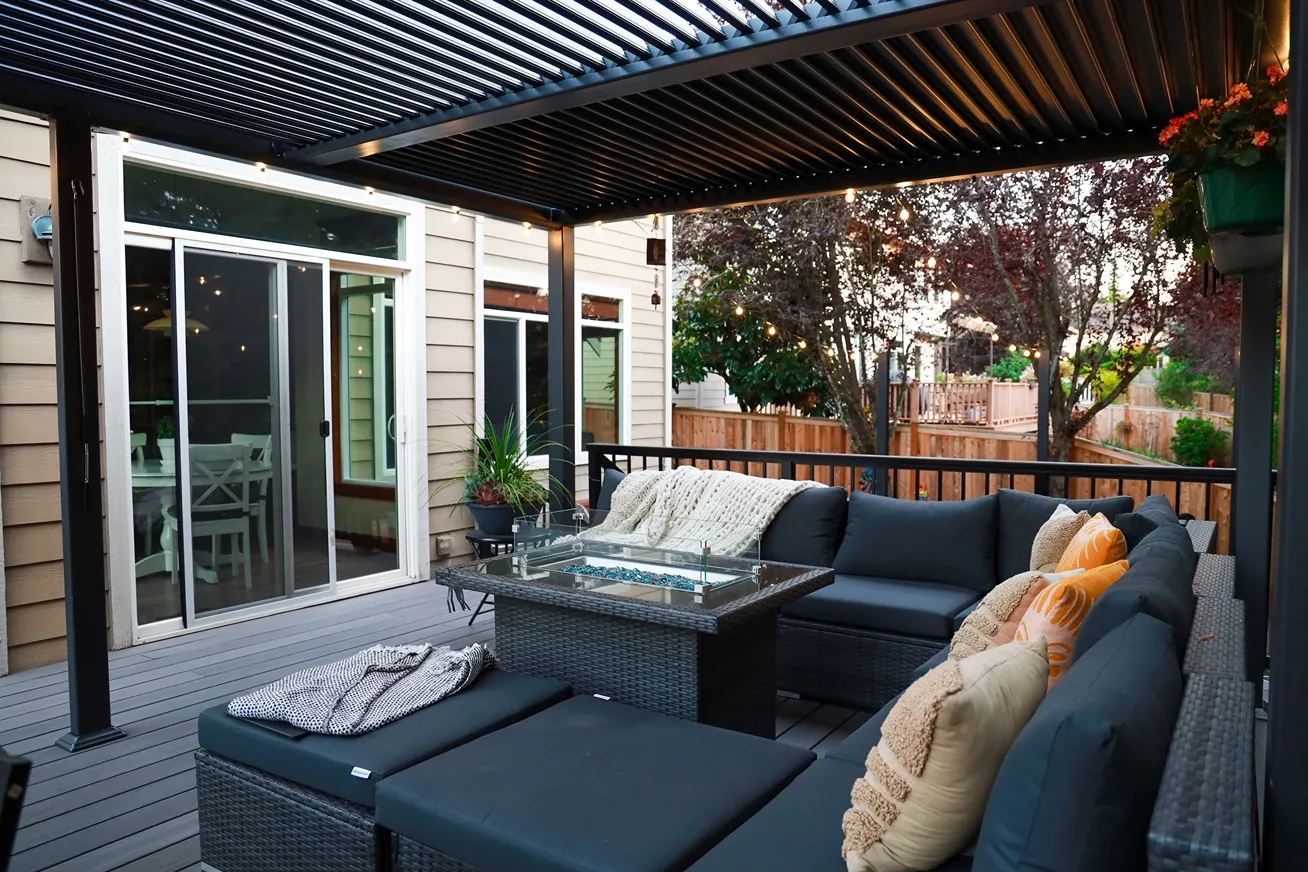
Lighting is an essential element in designing a front yard landscape that looks great both during the day and at night. Thoughtful lighting can enhance the ambiance, improve security, and showcase key features of your front yard. Pathway lights illuminate walkways, guiding guests to the entrance, while spotlights highlight trees or architectural elements. Uplights can dramatically illuminate the facade of your home, while eco-friendly solar lights provide an easy way to light walkways. For a cozy, inviting feel, string lights can be draped over bushes or a pergola to create a warm ambiance. Motion-sensor lights provide added security around entry points. By integrating various lighting options, you can create a stunning and secure Outdoor Space after dark.
Pathways and borders are essential for defining the layout of your front yard. Walkways made from materials such as gravel, stepping stones, or bricks help guide visitors and connect different features in your landscape. Consider the flow of movement when designing your walkways to ensure a smooth transition. Borders, such as hedges, flowers, or low fences, can define spaces like garden beds or seating areas, giving your landscape structure and organization. The materials and style of your pathways and borders should complement the overall aesthetic of your front yard to create a cohesive design.
Maintaining your front yard is crucial to keeping it vibrant and beautiful. Set aside time each week to mow the lawn, trim edges, and remove any weeds. Watering and fertilizing plants biweekly will encourage healthy growth. Regularly check for pests or diseases and address issues promptly to prevent them from spreading. Seasonal tasks, such as aerating the soil, mulching, and pruning plants, will help ensure your front yard stays in top condition. With regular maintenance, your front yard will continue to shine year-round, reflecting your care and attention to detail.
We’re excited to help you transform your outdoor space into a personalized oasis. Whether you’re ready to embark on a project or just exploring possibilities, reaching out is easy:
Speak directly with our team at (206) 593-4047.
Send your inquiries to info@angkorscape.com.
Auburn, WA 98092
Not sure where to start? Our Design Tiers offer flexible options to suit your vision and budget. From conceptual designs to comprehensive build plans, we’re here to guide you every step of the way.
Let’s create a space that reflects your style and enhances your lifestyle.


The timeline depends on the scope of your project, but most residential landscaping jobs range from a few days to several weeks. Larger design-build projects involving hardscaping, irrigation, and planting can take four to eight weeks from start to finish.
Spring and early fall are ideal for most landscaping work in the Pacific Northwest. Spring allows plants to establish before summer heat, while fall gives roots time to develop before winter. That said, planning should begin months in advance to secure your spot on a contractor's schedule.
Professional landscaping costs vary widely based on the size of your yard, materials chosen, and complexity of the design. Basic lawn and planting projects may start in the low thousands, while full design-build backyard transformations can range from $20,000 to $100,000 or more.
Some landscaping projects require permits, particularly those involving retaining walls, grading, drainage changes, or large structures like pergolas and outdoor kitchens. A professional contractor like Angkorscape handles the permitting process as part of the project.
Look for a company with a strong portfolio of completed projects, verifiable reviews, clear communication, and a transparent design process. An all-in-one design-build firm is ideal because it keeps design and construction aligned under one team.
Regular maintenance includes mowing, pruning, fertilizing, and seasonal clean-ups. Your contractor should provide a maintenance plan tailored to the specific plants and materials used in your project to keep everything looking its best year-round.

Serving Greater Seattle homeowners with custom outdoor living spaces. One process, one team, one result.
Contractors License : ANGKOI*750PA