Planning a backyard landscaping project requires careful thought and preparation to create the outdoor space you desire.
June 11, 2026
•
3 min read
Planning a backyard landscaping project requires careful thought and preparation to create the Outdoor Space you desire. Expert landscape design services can help you avoid common mistakes and achieve better results. This guide walks you through the key steps to plan your project successfully. You’ll learn how to assess your yard, set clear goals, and choose the right plants and materials. Following this checklist will help you create a beautiful backyard that fits your lifestyle and budget.
Start by walking around your property to see what you’re working with. Look for problem areas, such as uneven ground, drainage issues, or overgrown plants. Review existing features, such as trees, shrubs, and hardscaping, to determine what stays and what goes. Notice which areas get full sun, partial shade, or full shade throughout the day. Test your soil quality to understand if you need to add nutrients or improve drainage before planting.
Successful backyard landscaping begins with clear design goals that align with your vision for the space. Decide how you’ll use each area – for entertaining guests, relaxing with family, or growing a garden. Consider the style you prefer, ranging from modern and minimalist to natural and cottage-like. List any specific features you’d like, such as a patio, fire pit, or water feature. Rank these goals in order of importance so you can focus on what matters most to you.
Selecting the right plants makes all the difference in how your backyard looks and the amount of work it requires. Keep these factors in mind:
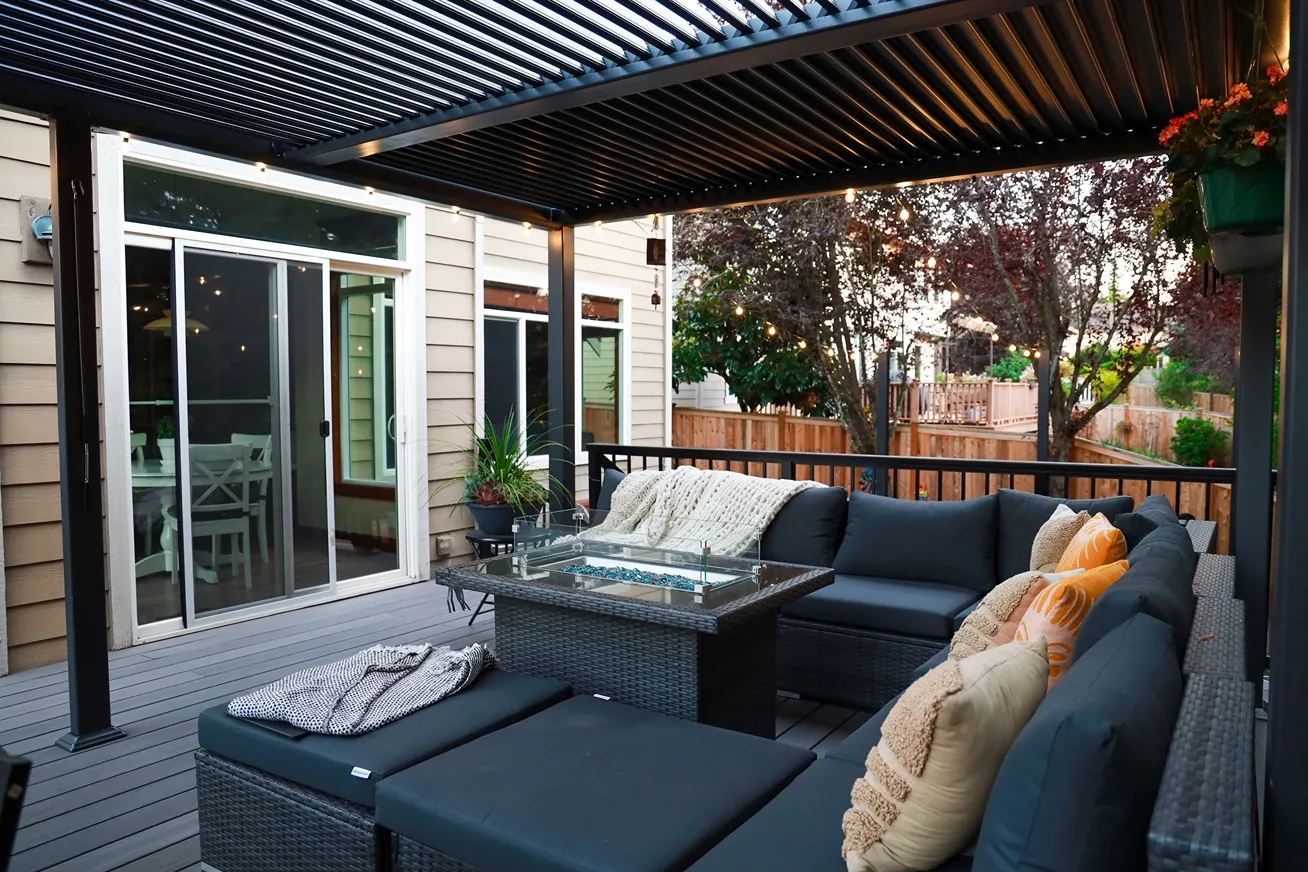
The materials and features you choose affect both the look and function of your backyard. Select durable options, such as natural stone, wood, or composite materials, that will last for years with minimal upkeep. Consider adding features such as outdoor kitchens, seating areas, or decorative lighting to enhance both the functionality and aesthetic appeal of your space. Make sure everything works together visually to create a cohesive design. Quality materials may cost more upfront, but save money over time through lower maintenance needs.
A realistic budget keeps your landscaping project on track financially. Follow these steps:
Your new landscape needs regular care to stay healthy and attractive. Set up a schedule for basic tasks, such as mowing, watering, weeding, and feeding plants. Plan seasonal jobs including pruning, adding mulch, and checking for pest problems. Acquire high-quality tools that facilitate maintenance more easily and efficiently. Block out time each year for bigger improvements or updates to keep your backyard fresh and inviting.


The timeline depends on the scope of your project, but most residential landscaping jobs range from a few days to several weeks. Larger design-build projects involving hardscaping, irrigation, and planting can take four to eight weeks from start to finish.
Spring and early fall are ideal for most landscaping work in the Pacific Northwest. Spring allows plants to establish before summer heat, while fall gives roots time to develop before winter. That said, planning should begin months in advance to secure your spot on a contractor's schedule.
Professional landscaping costs vary widely based on the size of your yard, materials chosen, and complexity of the design. Basic lawn and planting projects may start in the low thousands, while full design-build backyard transformations can range from $20,000 to $100,000 or more.
Some landscaping projects require permits, particularly those involving retaining walls, grading, drainage changes, or large structures like pergolas and outdoor kitchens. A professional contractor like Angkorscape handles the permitting process as part of the project.
Look for a company with a strong portfolio of completed projects, verifiable reviews, clear communication, and a transparent design process. An all-in-one design-build firm is ideal because it keeps design and construction aligned under one team.
Regular maintenance includes mowing, pruning, fertilizing, and seasonal clean-ups. Your contractor should provide a maintenance plan tailored to the specific plants and materials used in your project to keep everything looking its best year-round.

Serving Greater Seattle homeowners with custom outdoor living spaces. One process, one team, one result.
Contractors License : ANGKOI*750PA