A well-designed kid-friendly backyard balances safety, creativity, and education to create a space where children can play, explore, and grow. With the right surfacing, age-appropriate features, and thoughtful landscaping, your backyard can become the ultimate family retreat in King, Pierce, and Snohomish Counties.
June 17, 2026
•
3 min read
Transforming your backyard into a safe and enjoyable play space for children doesn’t just give them a place to burn off energy—it creates a magical environment where young imaginations can soar. Here in King, Pierce, and Snohomish Counties, where Outdoor Living is a part of our lifestyle, designing kid-friendly spaces can also blend seamlessly with stylish landscaping. Let’s dive into how you can turn your backyard into a family-friendly retreat that is as safe as it is fun.
Safety is the cornerstone of any kid-friendly outdoor area. Begin by ensuring that your yard is fully fenced to provide a secure play environment. Soft surfacing materials like rubber mulch or fine sand can cushion falls and are essential under and around swing sets and other climbing structures. In King, Pierce, and Snohomish Counties, where the terrain can be varied, leveling play areas can prevent tripping and other accidents.
Tailoring your backyard elements to the age of your children ensures they get the most out of the Outdoor Space. For toddlers, consider low platforms, small slides, and sandbox areas where they can dig and explore safely. Older children might appreciate more adventurous installations, like taller swings, rope courses, or a treehouse. Always opt for equipment that is robust and can withstand the wet Washington weather, ensuring longevity and durability.
Outdoor play doesn’t have to be just physical. Including educational elements like a garden plot can teach children about nature and the responsibility of caring for plants. Consider planting a variety of native species found in King, Pierce, and Snohomish Counties, which can thrive in the local climate and also attract beneficial insects. Butterfly gardens or small vegetable patches can be particularly delightful and instructional for kids.
Creative play is vital for cognitive development, and your backyard design can play a huge part in fostering creativity. Install chalk walls, outdoor musical instruments, and water play stations that encourage imaginative play and artistic expression. These elements not only keep children engaged but also blend aesthetically into your garden, enhancing its overall charm.
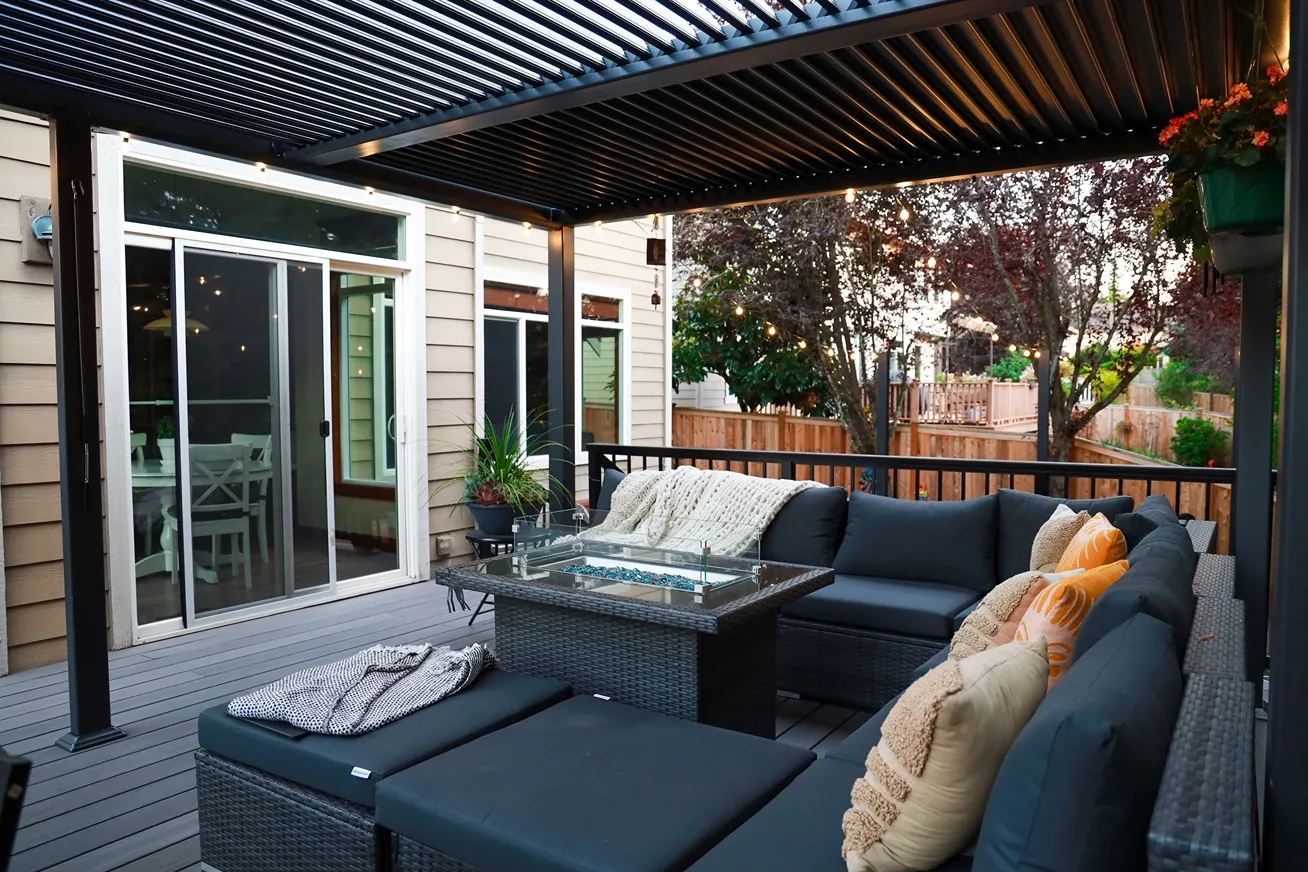
While the backyard should be a haven for kids, it’s also important that adults have a comfortable space from which to supervise. Incorporate a patio area with a good line of sight to the play space, equipped with comfortable seating and perhaps an outdoor fireplace or a covered area for those cooler Washington days. This way, the whole family can enjoy the space throughout the year.
A key aspect of keeping a kid-friendly backyard safe is regular maintenance. Check play equipment for loose bolts and signs of wear, particularly before and after the harsher winter months. Keep the yard clear of debris and regularly trim back bushes and trees to avoid overgrowth that can obscure vision or interfere with play.
By combining safety, creativity, and education in your design, your backyard can become more than just a play area—it can be a dynamic space where your children grow, learn, and create memories. With Angkorscape’s expertise in crafting beautiful, functional landscapes in King, Pierce, and Snohomish Counties, your dream of a perfect kid-friendly backyard is just a consultation away.
Ready to create a safe and fun outdoor playground for your kids? Contact Angkorscape today, and let’s start designing a space that your family will love and enjoy for years to come!


The timeline depends on the scope of your project, but most residential landscaping jobs range from a few days to several weeks. Larger design-build projects involving hardscaping, irrigation, and planting can take four to eight weeks from start to finish.
Spring and early fall are ideal for most landscaping work in the Pacific Northwest. Spring allows plants to establish before summer heat, while fall gives roots time to develop before winter. That said, planning should begin months in advance to secure your spot on a contractor's schedule.
Professional landscaping costs vary widely based on the size of your yard, materials chosen, and complexity of the design. Basic lawn and planting projects may start in the low thousands, while full design-build backyard transformations can range from $20,000 to $100,000 or more.
Some landscaping projects require permits, particularly those involving retaining walls, grading, drainage changes, or large structures like pergolas and outdoor kitchens. A professional contractor like Angkorscape handles the permitting process as part of the project.
Look for a company with a strong portfolio of completed projects, verifiable reviews, clear communication, and a transparent design process. An all-in-one design-build firm is ideal because it keeps design and construction aligned under one team.
Regular maintenance includes mowing, pruning, fertilizing, and seasonal clean-ups. Your contractor should provide a maintenance plan tailored to the specific plants and materials used in your project to keep everything looking its best year-round.

Serving Greater Seattle homeowners with custom outdoor living spaces. One process, one team, one result.
Contractors License : ANGKOI*750PA