Picking the right flowers for your yard can make your outdoor space look amazing.
June 17, 2026
•
3 min read
Picking the right flowers for your yard can make your outdoor space look amazing. This guide helps you learn about flower colors, easy-care plants, and seasonal options that bloom throughout the year. You’ll learn how to combine different flowers and use them to enhance the appearance of your home’s front yard. These tips will help you create an exceptional landscape design.
Flowers bring bright colors to any Outdoor Space, making it look lively and welcoming. They do more than look pretty – flowers attract helpful insects, such as bees and butterflies, that help plants grow and thrive. Flowers also clean the air by removing harmful substances. When you pick different types that bloom at different times, your garden changes with the seasons and always looks interesting. Having flowers in your yard makes the whole space more beautiful and creates a nice balance in your outdoor area.
Picking the right flower colors helps create a beautiful garden design. Consider the mood you want to create in your outdoor space. Warm colors like red, orange, and yellow make spaces feel energetic and fun – perfect for areas where people gather. Cool colors like blue, purple, and white create a calm and peaceful atmosphere, making them ideal for quiet spaces. Look at the colors already in your yard to ensure your flowers complement everything else well. When you choose colors that work well together, your entire outdoor space appears more cohesive and well-together.
Choose flowers that require minimal care to keep your garden looking good with minimal effort. Daylilies are perfect because they’re tough and provide a lot of color with minimal effort. Once they’re planted, they can withstand different weather conditions and require minimal watering. Sedum is another great choice – it grows in almost any soil and comes in many colors while attracting helpful insects. Lavender smells wonderful and grows well with minimal care, thriving in dry weather. These easy-care flowers keep your garden beautiful without taking up much of your time.
Plant different flowers that bloom in each season to keep your garden looking good all year round. Spring flowers, such as tulips, daffodils, and cherry blossoms, bring fresh colors after winter. Summer brings roses, hydrangeas, and lilies that love warm weather. Fall has chrysanthemums, marigolds, and pansies in rich autumn colors. Winter plants, such as holly, winter jasmine, and camellias, keep your garden interesting even in cold weather. When you plan your garden with flowers for each season, you’ll have something beautiful to look at all year long.
Mix different flowers to create eye-catching displays in your garden. Here are simple ways to combine flowers:
Enhance your home’s front yard by selecting the right colors, heights, and textures to make it look more attractive with the addition of flowers. Select flowers that bloom at different times to ensure your yard remains colorful throughout the year. Group flowers together in clusters or plant them along walkways to guide people’s eyes and create focal points. Use flowers around your front door or near special features of your house to highlight what makes your home unique. When you thoughtfully add flowers to your front yard, it makes your whole property look much better.


The timeline depends on the scope of your project, but most residential landscaping jobs range from a few days to several weeks. Larger design-build projects involving hardscaping, irrigation, and planting can take four to eight weeks from start to finish.
Spring and early fall are ideal for most landscaping work in the Pacific Northwest. Spring allows plants to establish before summer heat, while fall gives roots time to develop before winter. That said, planning should begin months in advance to secure your spot on a contractor's schedule.
Professional landscaping costs vary widely based on the size of your yard, materials chosen, and complexity of the design. Basic lawn and planting projects may start in the low thousands, while full design-build backyard transformations can range from $20,000 to $100,000 or more.
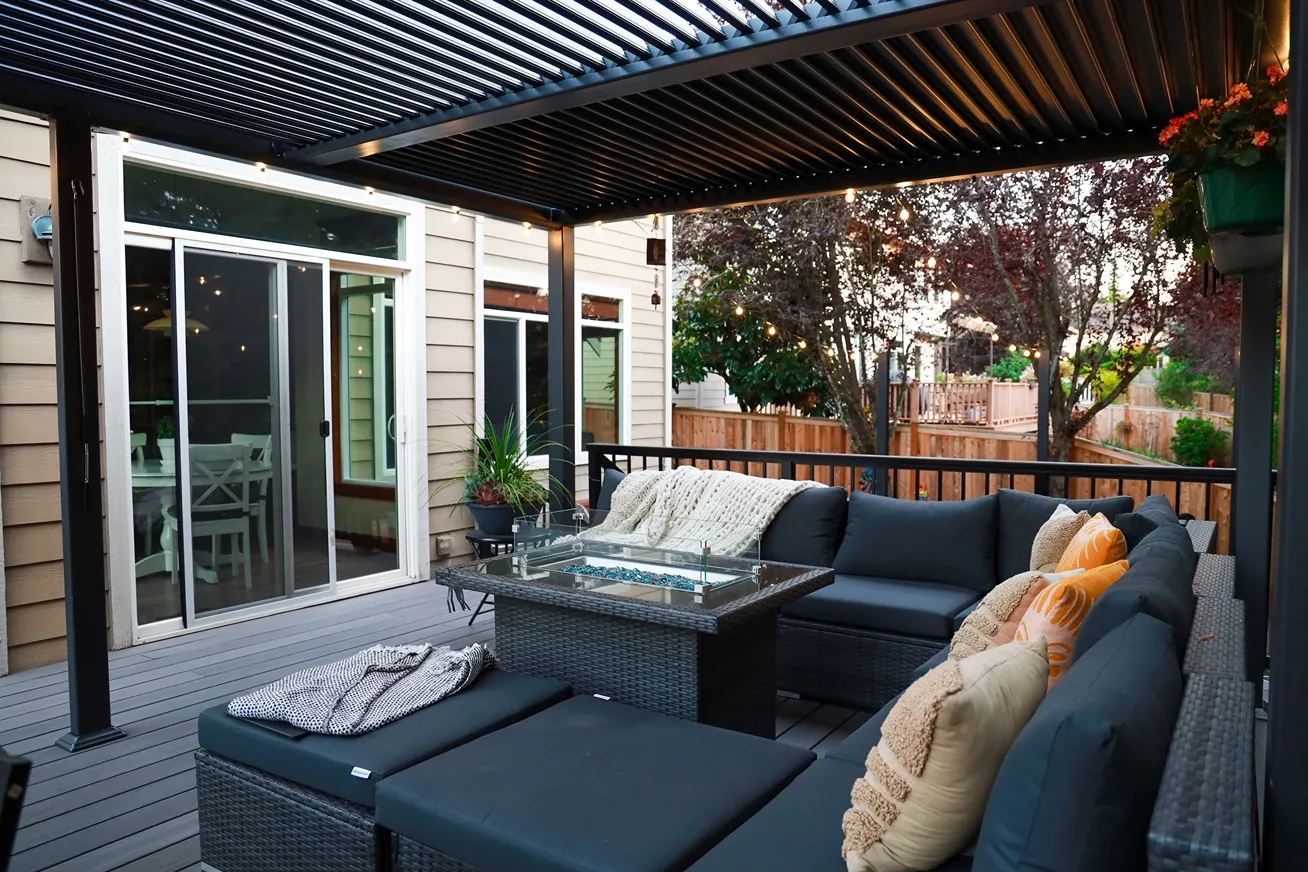
Some landscaping projects require permits, particularly those involving retaining walls, grading, drainage changes, or large structures like pergolas and outdoor kitchens. A professional contractor like Angkorscape handles the permitting process as part of the project.
Look for a company with a strong portfolio of completed projects, verifiable reviews, clear communication, and a transparent design process. An all-in-one design-build firm is ideal because it keeps design and construction aligned under one team.
Regular maintenance includes mowing, pruning, fertilizing, and seasonal clean-ups. Your contractor should provide a maintenance plan tailored to the specific plants and materials used in your project to keep everything looking its best year-round.

Serving Greater Seattle homeowners with custom outdoor living spaces. One process, one team, one result.
Contractors License : ANGKOI*750PA