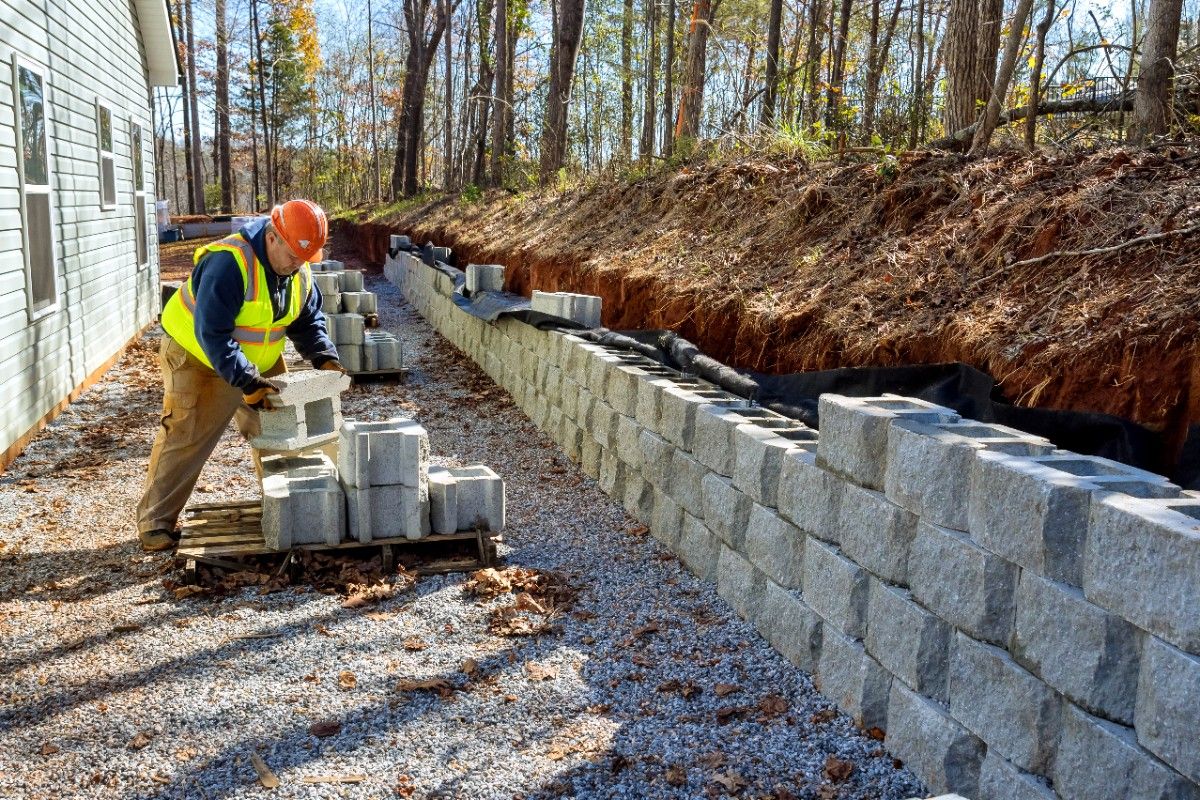
The right backyard drainage solutions for Eastside Seattle properties start with understanding why your yard holds water in the first place, then matching each drainage fix to the specific source and location of the problem rather than guessing.
October 13, 2026
•
10-minute read
Most drainage problems on the Eastside come down to four factors working together. Understanding them helps you pick the right backyard drainage solutions instead of wasting money on fixes that do not match the actual cause.
Much of Bellevue, Redmond, Kirkland, Bothell, and Sammamish sits on glacial till and clay based soil. Clay drains slowly. When heavy rain falls on compacted soil with high clay content, water pools on the lawn's surface instead of soaking in. The ground becomes saturated and stays soggy for days.
The Greater Seattle area receives roughly 38 to 39 inches of rain per year, most of it between October and June. That is not extreme by national standards, but the duration is. Your yard rarely dries out fully between storms, so each rain event adds to moisture already trapped in the soil.
Grading directs water toward or away from the house. Many Eastside properties, especially older homes, have settled over time, and the ground now slopes toward the foundation. Proper grading reduces the water pressure against a foundation that leads to many basement leaks.
When new homes are built or major landscaping is installed, heavy equipment compresses the native soil. That compacted soil acts like a barrier, preventing water from moving downward through the ground. Even on newer Sammamish and Redmond subdivisions, this is one of the most common causes of standing water in backyards.
The right fix depends on the scale and source of your water problem. Some yards need a simple grade correction; others need engineered pipe systems. Here is the full range, from least to most involved.
Proper grading is the foundation of every drainage solution. Reshaping the lawn to direct water away from the house and toward approved discharge points solves many minor drainage problems without any underground work. A common standard is a slope of at least 6 inches over the first 10 feet from the foundation.
Roof runoff is one of the largest contributors to foundation moisture on most properties. Downspout extensions can move water at least 4 to 5 feet away from the house. Underground extensions can reach 10 feet or more from foundations. Adding downspout extensions is a low cost drainage solution that many homeowners overlook.
A French drain consists of a trench filled with gravel and a perforated pipe that collects and carries water underground to a collection point. French drains are effective for intercepting water that moves through the soil laterally, which is common on Eastside slopes. Installing a French drain for backyard drainage typically costs between $10 and $100 per linear foot depending on depth, length, and soil conditions.
Catch basins collect surface water quickly and are typically installed in low spots of the yard where water pools. They connect to underground drain pipes that carry the water to a discharge point. Channel drains (also called trench drains) capture water across a wide area, making them ideal for patios, driveways, and high traffic areas.
Catch basins also trap leaves and debris to prevent clogs in downstream pipes. A dry creek bed is a related surface option: a shallow, rock-lined channel that routes runoff across open ground while doubling as a landscape feature.
A dry well is an underground chamber that collects excess water and slowly releases it into the surrounding soil. Dry wells handle large volumes of runoff and are useful where there is no storm drain connection to tie into. They work best in soil with at least moderate permeability below the clay layer.
Before installing one, a percolation test should confirm the surrounding soil can absorb water at an adequate rate. On many Eastside properties with heavy clay, percolation rates are too low for a standard dry well to work well. In those cases the system may need to be oversized, or paired with a French drain or catch basin to handle overflow.
Permeable pavers allow water to pass through joints into a gravel base underneath rather than running off the surface. This reduces runoff at the source and is especially effective for patios, walkways, and driveways on Eastside properties where impervious surface limits are a concern.
💡 Pro Tip: Before choosing any drainage solution, identify whether the water is coming from the surface (rain hitting your yard), from underground (a high water table or lateral flow), or from your roof. Each source needs a different fix. Treating the wrong source wastes money and leaves the real problem unsolved.
Each system handles a different type of water problem. Here is how they compare.
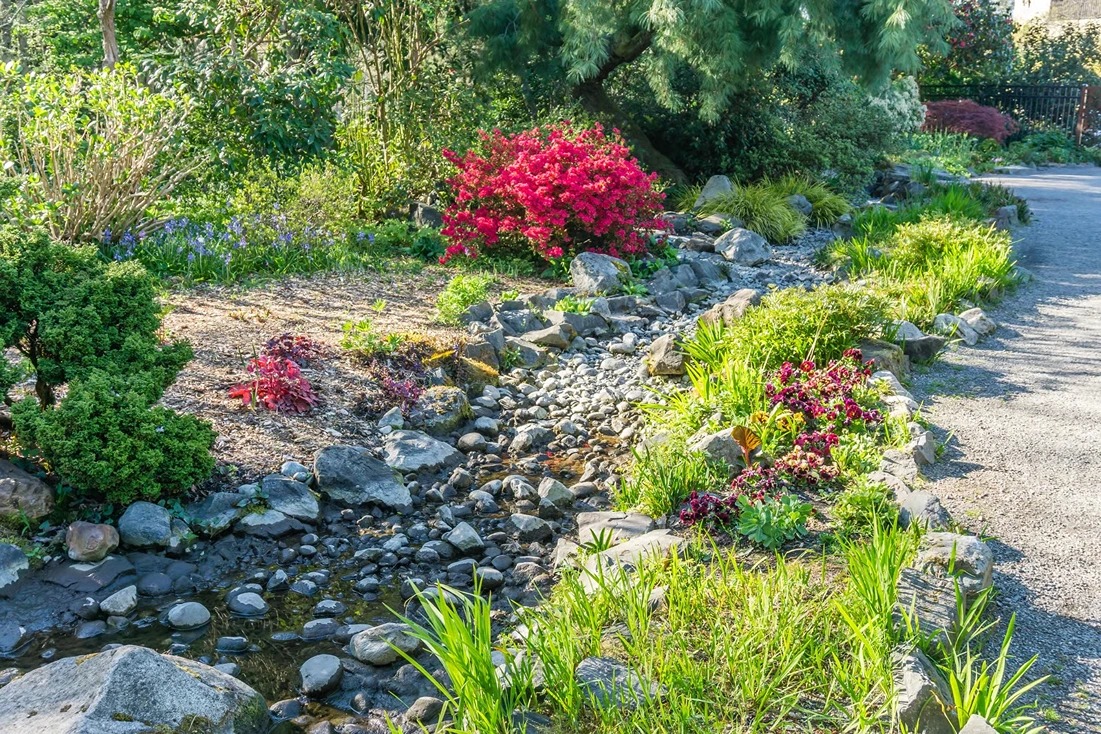
A dry creek bed channels stormwater away from properties and can also be aesthetically pleasing, mimicking a natural rock stream through your landscape. Constructing a dry creek bed typically runs about $5 to $20 per square foot installed and needs little maintenance once built.
So how do you improve drainage in your yard if you have multiple sources? We typically recommend combining two or more systems. A French drain along a slope combined with catch basins at low points and downspout extensions at the house addresses all three common sources at once.
This is the most expensive mistake Eastside homeowners make. They build a beautiful patio, install retaining walls, and lay walkways. Then they realize water pools against the new hardscape with nowhere to go.
Drainage should be the first thing designed and among the first things built. Gravel bases, perforated pipes, catch basins, and slope corrections go in before pavers, stone, or any finished surface.
At Angkorscape, every design-build project includes drainage as part of the initial plan, not as an afterthought. This is especially important for Eastside properties where the clay soil and extended wet season make proper drainage essential for everything built above it. The hardscaping team coordinates drainage infrastructure with every patio, wall, and walkway installation.
Not every drainage solution requires pipes and gravel. Planted systems manage water naturally and add beauty to your yard at the same time.
A rain garden is a shallow depression planted with water loving plants and native plants that captures and filters stormwater. Rain gardens can remove up to 90% of nutrients and chemicals and up to 80% of sediment from runoff, and they let roughly 30% more water soak into the ground than a standard lawn. They typically cost a few dollars per square foot to install and need little maintenance once established.
Position your rain garden at the lowest point of your yard or at the end of a downspout discharge. Choose native plants that tolerate both wet areas and occasional dry periods. Native sedges, rushes, sword fern, and red-twig dogwood handle both the wet and dry spells common in Eastside rain gardens.
A swale is a shallow, vegetated channel that slows down surface water runoff and naturally filters it. Swales work well along property edges and between yard zones. They blend into the landscape and can be designed to look like a natural garden bed.
For yards with mild compacted soil, core aeration can make a real difference. Aeration creates holes that introduce air and nutrients while allowing water to trickle down through the surface. Core aeration helps water penetrate compacted ground and improves overall soil health. This is one of the most affordable backyard drainage ideas for homeowners dealing with minor surface pooling.
Soil conditions and drainage challenges vary across the Eastside. Here is what each major city typically deals with.
Education Hill and Redmond Ridge properties sit on clay over glacial till. Grade changes are common, and standing water accumulates behind retaining walls and in low spots near the Sammamish River valley edge. French drains are among the most common fixes we install here.
Waterfront-adjacent lots in Juanita and Lakeview have shallow soil over hardpan. Water moves laterally across the surface rather than soaking in. Combined surface grading and catch basins typically solve the problem.
Bothell properties near the Sammamish River corridor deal with high water tables during wet months. Dry wells and deeper French drains are often needed because the water source is below the surface, not just on it.
Newer subdivisions on Sammamish plateau sit on heavily compacted soil from construction. Aeration, rain gardens, and permeable pavers work well here because the clay layer is disrupted rather than naturally deep.
Bellevue's mix of older hillside homes and newer dense development creates both slope driven drainage and impervious surface runoff. Many Bellevue properties need a combination of grading, channel drains, and subsurface pipe systems to manage water from multiple directions.
Not sure whether your yard has a real drainage problem or just a minor seasonal nuisance? Here are the signs that point to a systemic issue.
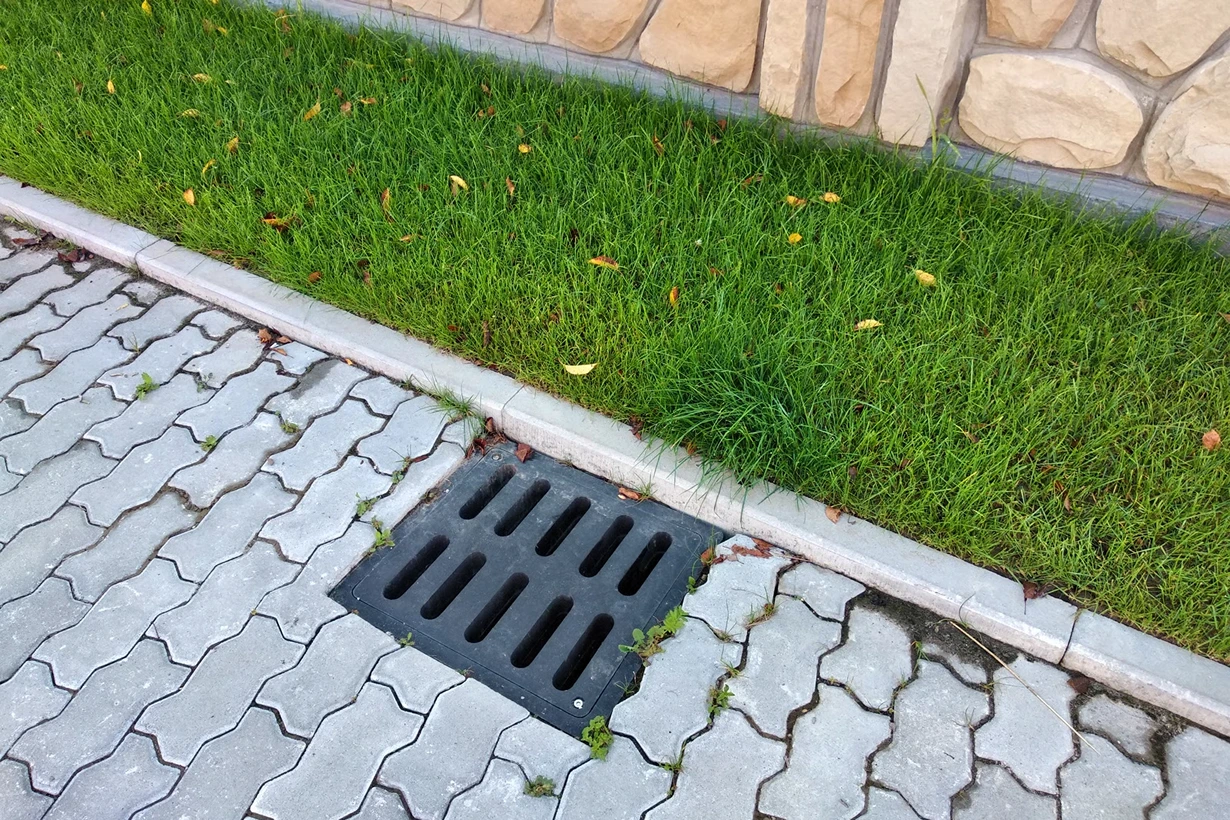
If you see three or more of these signs, the problem is unlikely to resolve on its own. The right drainage solution must match the specific source and location of water on your property, and a professional assessment identifies which combination of fixes you need.
💡 Pro Tip: Walk your yard during an active rainstorm. Watch where water flows, where it pools, and where it exits (or fails to exit) your property. This real-time observation tells a designer more than any dry-day inspection can.
The right backyard drainage solutions transform a saturated Eastside yard into ground that holds up through nine months of rain, supports healthy plants, and protects your home's foundation. Every drainage fix, from simple grading to engineered French drains, works best when it is designed as part of the full landscape plan rather than added after the fact.
Eastside homeowners dealing with standing water, soggy lawns, or water pooling near foundations can take the first step toward a dry, functional yard.
Angkorscape handles drainage design and installation as part of every project across Redmond, Kirkland, Bothell, Sammamish, and Bellevue. Schedule a consultation to walk your property and find the drainage solution that fits.


The best solution for standing water depends on the cause. Proper grading, French drains, and catch basins address the most common sources. Aerating compacted soil and adding rain gardens at low spots can also eliminate standing water on mild cases.
Installing a French drain in a backyard typically costs between $10 and $100 per linear foot depending on depth, length, and soil conditions. Costs on the Eastside tend to run higher due to clay soil that requires more excavation and gravel fill.
Permit requirements vary by city and county. Projects that alter drainage patterns, discharge to public systems, or involve significant grading may require permits. Always check with your local building department before starting work.
French drains and catch basins are the most effective yard drainage solutions for clay soil because they physically intercept and carry water rather than relying on the soil to absorb it. Permeable pavers with a deep gravel base also help on clay-heavy Eastside lots.
A yard that stays wet between storms usually has compacted soil, a high water table, or grading that directs water toward a low spot instead of away. Underground water sources, broken irrigation systems, or blocked drains can also contribute to persistent wet areas.

Serving Bellevue and the Eastside homeowners with custom outdoor living spaces. One process, one team, one result.
Contractors License : ANGKOI*750PA