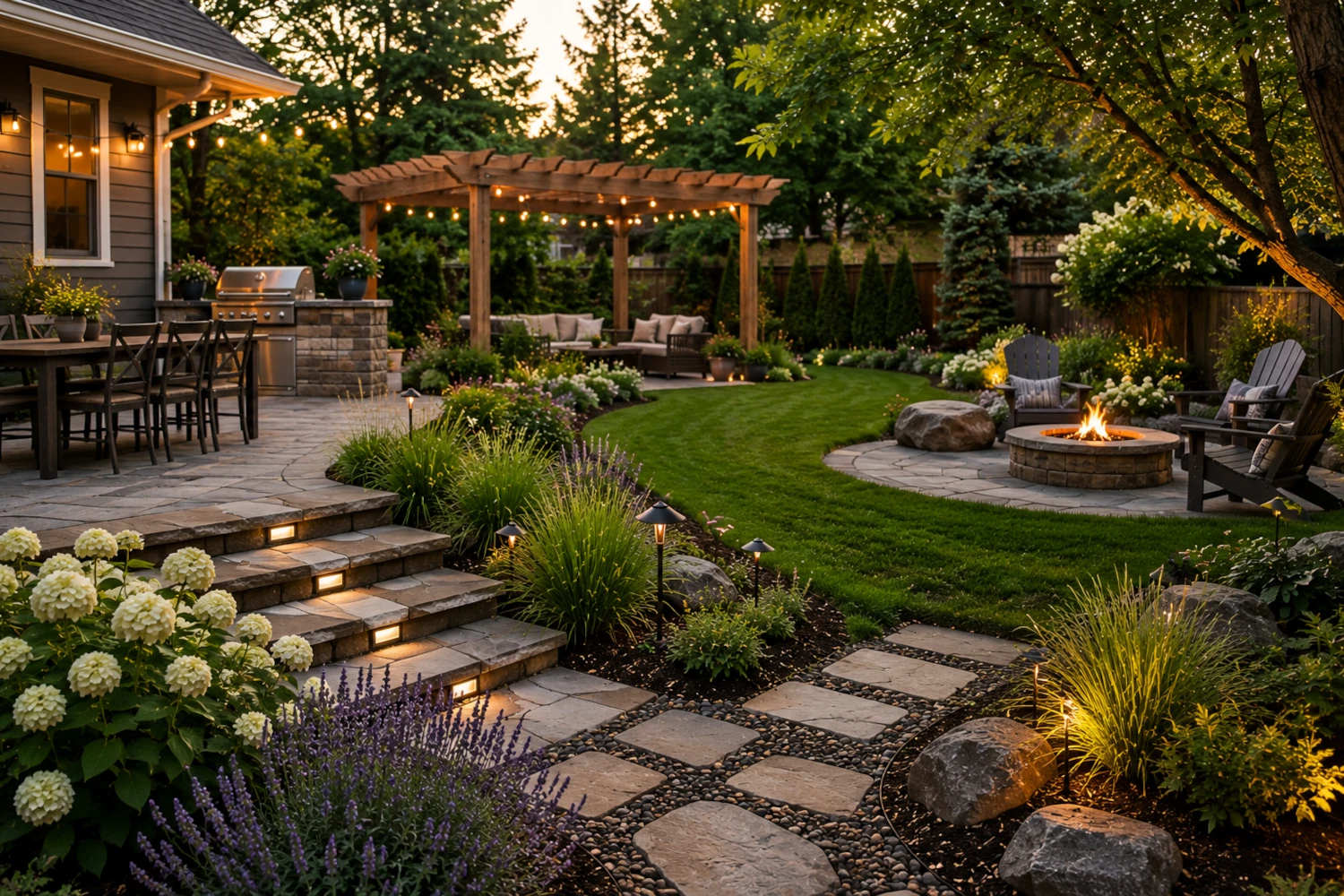
How long does a landscaping project take depends on scope and permitting, and this guide sets realistic expectations early on.
October 14, 2026
•
9-minute read
How long does a landscaping project take is one of the first questions almost every homeowner asks. The honest answer depends heavily on scope. At Angkorscape, we map out the full schedule before anything begins, since a small planting refresh moves quickly while a full backyard transformation with hardscape, grading, and permits often spans several months from first conversation to finished space. This guide breaks down what actually drives that timeline, phase by phase.
How long does a landscaping project take depends on three main phases: design, permitting, and construction. For a small, simple project, the whole process might wrap up in a couple of weeks. For a larger design-build project involving hardscape, drainage, or structures, the full timeline generally spans several months.
Project duration is influenced heavily by the project's scope, so it helps to think in phases rather than one single number. A landscape contractor who walks you through each phase upfront, rather than giving one vague estimate, sets you up for far fewer surprises along the way.
Most landscape construction breaks down into three broad stages: design, permitting, and actual construction work. Each phase has its own realistic expectations, and skipping ahead in your head, straight to breaking ground, is usually where frustration starts. A clear project timeline that accounts for all three stages, communicated early, prevents the most common source of homeowner frustration on a landscape project.
How long does it take to design a landscaping project depends on complexity, but the initial concept for a full custom design can take up to four weeks. That phase includes an initial meeting, site analysis, design drafting, and any necessary revisions before the plan is finalized.
Timeline landscape design work for a larger project usually involves more than one round of revisions, since getting the layout, materials, and features right before construction begins saves real time later. A simpler project, like a small garden bed refresh, can move through timeline landscape design steps in closer to a week or two.
💡 Pro Tip: Clear communication during the design phase, including documenting decisions in writing, prevents misunderstandings once construction actually begins.
The design phase itself usually includes an initial meeting to discuss your general idea, a site visit to review site conditions, and design drafting based on what you have discussed. From there, most homeowners go through at least one round of necessary revisions before signing off on a final plan. Open communication during this decision phase fosters trust between clients and contractors, and it is far easier to make a change on paper than to make one once construction has already started.
Not every landscaping project follows the same schedule. Here is a general comparison of how project size affects the overall timeline.
Large projects can take 1 to 3 months or more once you count design and construction alone, and permitting can extend that considerably further depending on your city and county. You can browse completed landscaping projects to see how these timelines play out on real properties.
A landscape project timeline is shaped by more than just size. Several other factors can speed things up or slow them down significantly.
Weather can delay landscaping projects by days or weeks, especially during excavation or grading work when the ground itself needs to be dry enough to work safely. Material availability can also extend project duration significantly, particularly for specialty structures like a custom outdoor kitchen or a built-in fire pit that require ordering components in advance. Staying informed through regular updates from your contractor is the easiest way to catch a potential delay early, before it stacks on top of another one.
You can review our design and build process to see how we plan for each of these factors before a single shovel hits the ground.
For a larger design-build project, the full journey from first conversation to project handover generally follows this sequence.
💡 Pro Tip: Start early. Since permitting can stretch from a few weeks to a few months depending on your project, beginning the design conversation well before your target season helps you actually break ground when you want to. You can schedule a consultation to get a real timeline estimate for your own property.
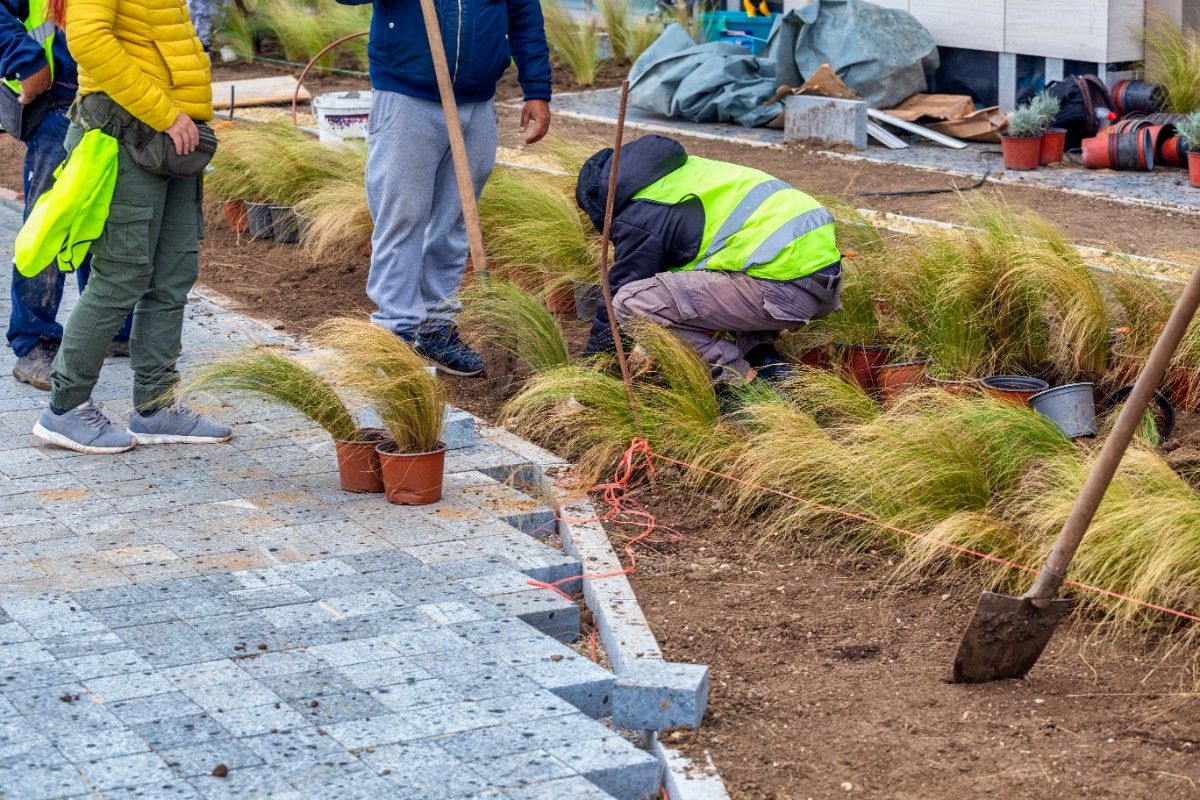
How long does concrete take to cure is a common question once construction begins. Concrete is typically safe for light foot traffic within 24 to 48 hours, but full curing generally takes about four weeks.
This matters for scheduling, since heavy furniture, grills, or foot traffic should generally wait until concrete has had adequate time to cure fully. Most professional contractors recommend planning your move-in or first use of a new patio with that curing window in mind, not just the day it looks finished.
Curing time also affects how a broader landscape construction schedule gets sequenced. A contractor may plan hardscape installation early in a project specifically so the concrete or paver base has time to cure and settle before planting beds, irrigation, or outdoor kitchens go in around it. Rushing this step to hit a deadline is one of the more common ways a patio or walkway ends up with cracking or surface damage down the road.
A straightforward patio installation often takes about 1 to 2 weeks of active construction, though size, material, and site conditions all move that number. A larger or more complex patio with drainage work or a specialty structure can take longer.
Site preparation, including grading and a compacted base, generally takes the most time on any patio project. Material availability also plays a role, since specialty pavers or natural stone may need to be ordered in advance rather than picked up immediately.
A patio built as part of a larger backyard transformation often takes longer than a standalone project, simply because it gets sequenced alongside other elements like drainage, lighting, or an outdoor kitchen. When a patio is the only feature being installed on an already prepared, accessible site, the actual construction work can move noticeably faster than when it is one piece of a bigger, coordinated build.
The best time of year to do landscaping in the Pacific Northwest is generally spring or early fall. Both seasons give plants time to establish before extreme summer heat or winter cold sets in.
That said, the best time of year to do landscaping for planning purposes is actually months before you want construction to start. Since design and permitting alone can take a considerable amount of time, starting the conversation in winter for a spring build is common practice among most professional landscape contractors.
Waiting until spring to start the conversation is one of the most common reasons a project misses its ideal planting window. If your goal is to start construction the moment weather allows, the design and permitting phases need to happen well before that, often during the colder months when site visits and paperwork can move forward even if planting has to wait.
A few simple habits keep most landscape projects moving on schedule:

Every project timeline looks a little different once you factor in scope, permitting, and site conditions. You can explore our landscaping services to see the range of project types we handle across Greater Seattle.
Clear communication throughout the process, backed by a documented plan, is what keeps a multi-month project feeling manageable instead of overwhelming. Regular updates, an honest conversation about weather or material delays, and a realistic starting estimate all matter more to how a project feels than the exact number of weeks it takes.
Homeowners who go in expecting a phased, multi-step process tend to have a much smoother experience than those expecting a single quick number. A landscape project is rarely just one event. It is a sequence of design, permitting, and construction phases, each with its own realistic timeline, working together toward the same finished space.
How long does a landscaping project take really comes down to scope, since a small refresh and a full design-build transformation follow very different schedules. Design, permitting, and construction each add their own time, and a larger project can reasonably span several months from first conversation to finished space. Planning ahead and communicating clearly throughout protects your timeline either way. If you want a realistic schedule for your own property, reach out to Angkorscape and we will walk you through it.

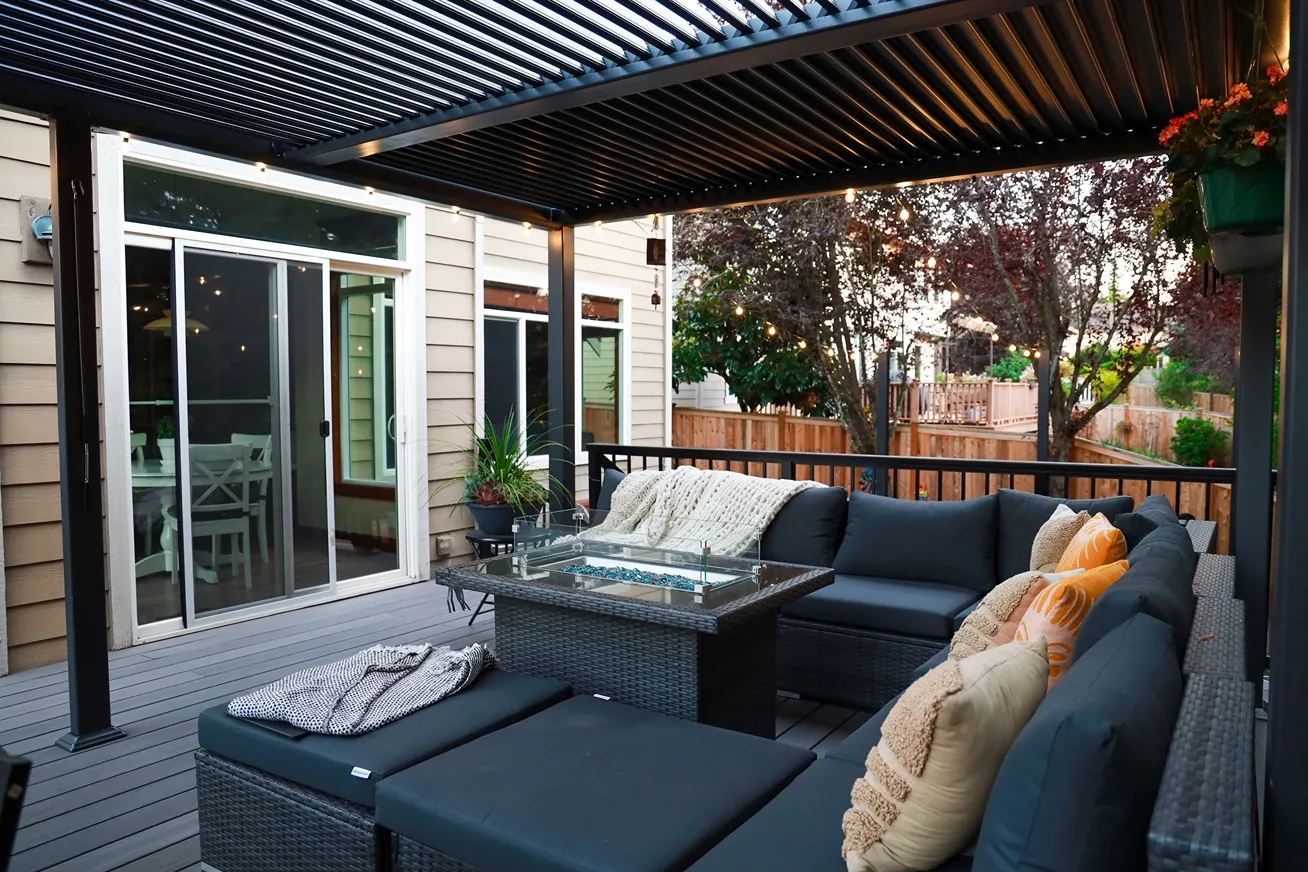

It depends heavily on scope, but a small project can wrap up in a couple of weeks while a larger design-build project often takes several months with design and permitting included. A phase by phase estimate is more useful than a single average number.
A full custom design concept can take up to four weeks, including site analysis, drafting, and revisions. Simpler projects can move through design considerably faster.
Concrete is generally safe to walk on within a few days but takes about four weeks to fully cure. Waiting for that full cure period before adding heavy furniture protects the surface.
A straightforward patio typically takes about 1 to 2 weeks of active construction, though site prep and material availability can extend that. Larger or more complex patios with drainage work take longer.
Spring and early fall are generally the best seasons for planting in the Pacific Northwest. For larger projects, starting design and permitting months earlier helps you begin construction in your preferred season.
Serving Bellevue and the Eastside homeowners with custom outdoor living spaces. One process, one team, one result.
Contractors License : ANGKOI*750PA




.png)