Pacific Northwest landscaping follows a different playbook than guides written for sunnier climates. Here is how to build a yard that thrives through Seattle's wet winters and dry summers.
July 27, 2026
•
9-minute read
Greater Seattle's growing conditions are unlike almost anywhere else in the country, and Pacific Northwest landscaping rewards anyone who designs with that reality in mind rather than against it. Properties across King, Pierce, and Snohomish Counties contend with a long grey wet season, a surprisingly dry stretch from July into September, clay-heavy soils, and the dappled shade of a mature tree canopy.
A yard planned around those conditions looks effortless year-round, while one built from generic templates tends to struggle by its second winter. The sections below walk through how to approach a landscape that belongs here.
The single biggest factor separating a thriving yard from a high-maintenance one is whether the design respects the local climate. The Puget Sound lowlands see most of their rainfall between October and April, then shift into a dry summer window that catches many newcomers off guard. Soils tend toward dense clay that holds water in winter and compacts in summer, and tree cover from native conifers and bigleaf maples creates pockets of deep shade alongside sunnier clearings.
Good Pacific Northwest landscaping starts by working with these patterns instead of fighting them. That means grouping plants by how much water and light they actually want, choosing species that tolerate wet roots in winter without rotting, and accepting that the lush, layered look the region is known for comes from embracing moisture rather than engineering it away. The payoff is a landscape that needs less intervention and looks established far faster.
Every Greater Seattle property behaves a little differently, so the first step is an honest assessment of what you are working with. Walk the space at different times of day and note where light falls, where it stays shaded, and where water tends to collect or run after a heavy rain.
A useful site read covers:
This groundwork prevents the most common and expensive mistake in the region: placing the right plant in the wrong spot. Persistent drainage issues are worth a dedicated solution rather than a planting workaround, but for design purposes, knowing where water sits is enough to plan around it.
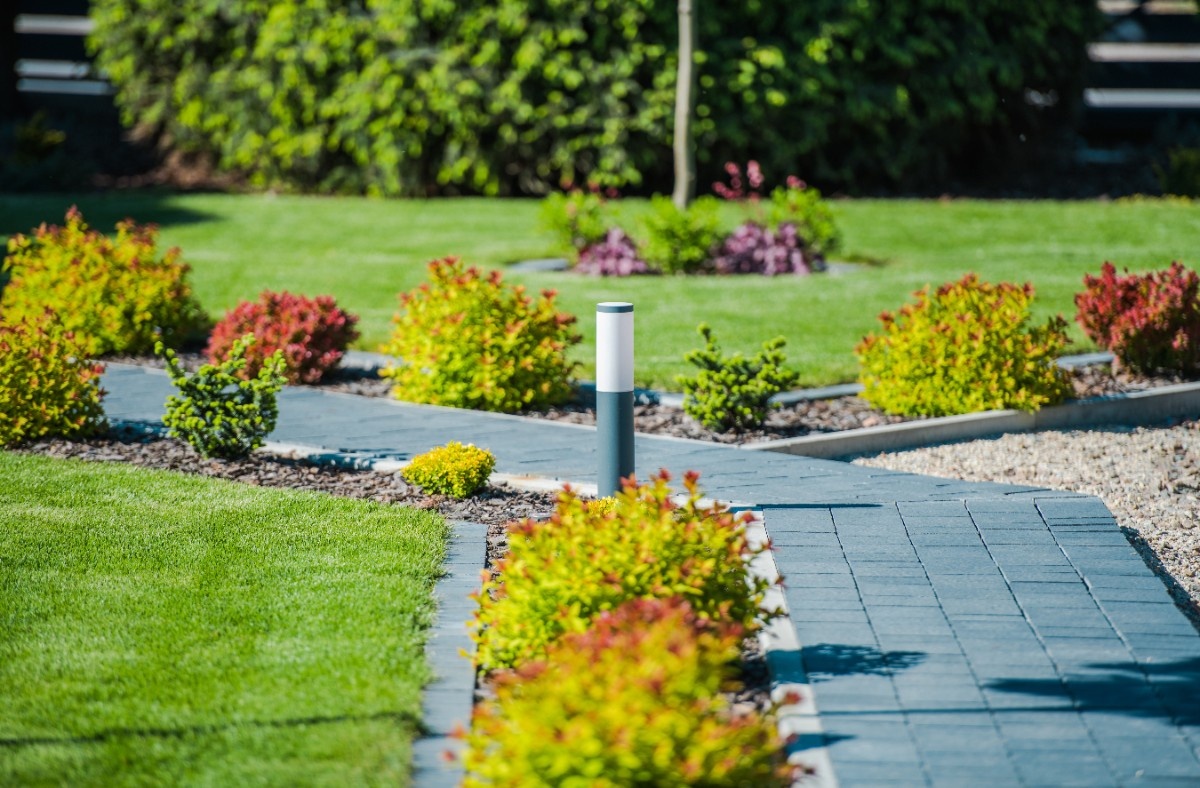
Plant selection is where Pacific Northwest landscaping either comes alive or quietly fails, and the regional advantage is that an enormous range of beautiful species genuinely wants to grow here. The goal is layered, year-round interest that holds up through grey winters without constant fuss.
PNW native plants, along with other climate-adapted species, are the backbone of a resilient design because they expect the wet-dry cycle and the acidic, often clay-heavy soils. A strong palette tends to combine:
Mixing heights and textures from these native plants gives a Seattle yard depth and a settled, intentional feel rather than a row-of-shrubs look. Leave room for mature growth so the planting reads full without crowding, and lean on evergreen anchors so the landscape never looks bare in February.
Hardscaping gives a landscape its bones, but in the Pacific Northwest the material choices matter as much as the layout because everything spends months damp. Surfaces that look fine in a drier climate can turn slick with moss or degrade faster here, so durability against constant moisture is the priority.
Natural stone, quality concrete pavers, and properly sealed surfaces hold up well to the region's wet season while staying attractive. Texture matters too, since smoother finishes grow slippery under winter moss, and a slightly textured surface stays safer underfoot. Permeable options that let rainfall move through rather than pool are especially well suited to local conditions.
For the larger hardscape elements that often anchor an outdoor space, such as paver patios or retaining walls on a sloped lot, those decisions carry their own materials and permitting considerations worth exploring in depth rather than treating as an afterthought. Thoughtful material selection here keeps the whole landscape cohesive and built to last.
Two site conditions show up constantly across Greater Seattle, and handling them well is much of what separates Pacific Northwest landscaping that looks intentional from a yard that feels like a compromise. Many local lots sit on a grade, and almost all of them deal with shade from mature trees or neighboring structures.
Slope is best treated as an asset rather than a problem. Terracing a hillside into usable levels, planting deep-rooted natives to hold soil, and directing the natural flow of rainfall through the planting design all turn a steep lot into something striking. On more significant grades, structural solutions like retaining walls become part of the plan and should be designed alongside the planting rather than bolted on later.
Shade is simply a fact of life under the region's tree canopy, and the good news is that some of the best shade plants Pacific Northwest gardens can offer actually prefer it. Ferns, salal, and woodland perennials flourish in the dappled light beneath conifers and maples, so a shaded corner becomes an opportunity for a lush, layered understory rather than a dead zone. Matching shade-loving species to those areas, and reserving the sunnier clearings for plants that need the light, is the quiet discipline behind a landscape that thrives everywhere on the lot.
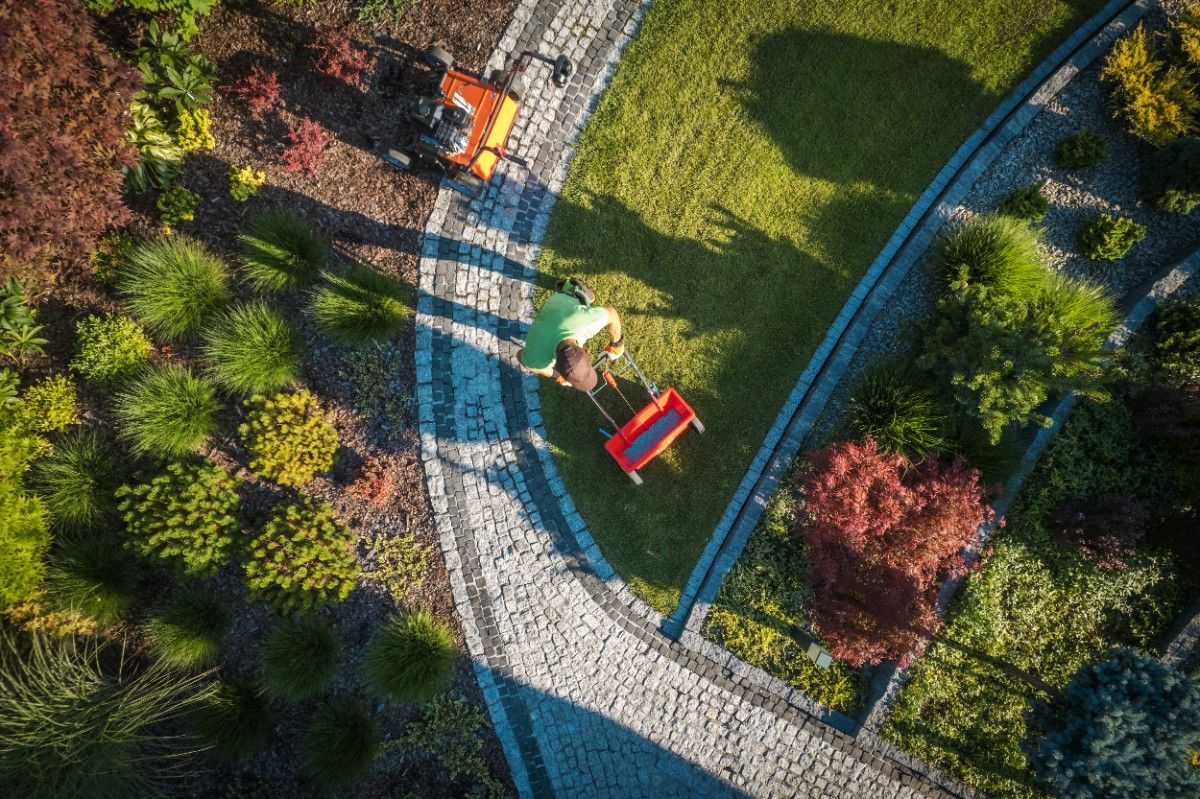
A well-designed PNW landscape is far from maintenance-free, but a climate-matched one keeps the work light and seasonal rather than constant. The rhythm follows the weather: more attention in the growing and dry seasons, less through the wet winter.
Through the year, the essentials are straightforward:
Choosing climate-adapted and native plants from the start is what makes low maintenance landscaping in Seattle realistic, since species suited to the region simply need less coaxing. A little seasonal attention preserves the design and keeps the yard looking established for years.
A landscape that genuinely belongs in Greater Seattle comes from understanding the region's soil, light, and seasonal rhythm and designing around them from the first sketch. Angkorscape brings that regional fluency to properties across King, Pierce, and Snohomish Counties, pairing climate-smart Pacific Northwest landscaping with the craftsmanship a premium outdoor space deserves. To talk through what your site needs and what is possible, schedule a consultation with our design team.


Native and climate-adapted evergreens like sword fern, salal, and evergreen huckleberry are among the most reliable, since they expect the region's wet winters and dry summers and need little intervention once established.
Yes, though less than many regions. The catch is the dry window from roughly July through September, when weeks can pass with little rain. Even drought-tolerant plantings benefit from deep, occasional watering during that stretch, especially in their first couple of years.
A mix works best. Natives form a resilient backbone suited to local soil and rainfall, while carefully chosen ornamentals adapted to the climate add variety. The key is matching every plant to the region's conditions rather than choosing on looks alone.
Moss thrives in the PNW's damp shade, so the practical approach is managing it rather than eliminating it. Keep it off hardscape and high-traffic surfaces with textured materials and routine clearing, and in many shaded settings moss can be embraced as part of the look.
Lean on evergreen structure so the yard never looks bare, then layer in plants with seasonal interest across different times of year, such as red-twig dogwood for winter color and flowering currant for spring. Varied foliage texture carries the design through the darkest months.
Many PNW natives tolerate clay because they evolved with it, but planting on slight mounds or improving soil structure with organic matter helps roots that prefer better drainage. Reading where water sits on your site first makes these choices far easier.
Often yes. Planting ahead of the wet season lets roots establish with natural rainfall before the dry summer arrives, which can reduce watering demands the following year. Timing still depends on the specific species.
The defining factors are the long wet season, the short but real summer drought, acidic and often clay-heavy soils, and significant canopy shade. Designs borrowed from drier or sunnier climates tend to underperform here, which is why a regional approach matters.

Serving Greater Seattle homeowners with custom outdoor living spaces. One process, one team, one result.
Contractors License : ANGKOI*750PA





.png)

