Understanding landscape design cost helps Greater Seattle homeowners plan smarter, protect their investment, and build outdoor spaces that last for years.
October 28, 2026
•
8-minute read
Planning a backyard transformation in Greater Seattle starts with one question: how much does landscaping cost? The answer depends on yard size, materials, the complexity of your outdoor space, and your property's site conditions. Understanding landscape design cost upfront helps you set a realistic landscaping budget and make confident decisions. This guide breaks down what drives landscaping project costs across the region, with a closer look at the variables that affect your final cost.
Landscaping costs in Greater Seattle typically range from $4 to $12 per square foot. That covers everything from basic softscape work, like planting trees and laying mulch, to hardscape construction like retaining walls, patios, and outdoor kitchens.
So what does that mean for an average backyard? A mid-range project usually lands between $8,000 and $20,000.
The number climbs from there. Larger yards, or lots with slopes and drainage issues, can push past $25,000 to $40,000 or more.
Labor is typically a large share of any landscaping budget, alongside materials and site prep. Professional landscaping services typically run $50 to $150 per hour, depending on whether you hire a landscape architect, a professional landscaper, or a design-build crew.
💡 Pro Tip: Always ask for a line-item estimate that separates design, materials, and labor. This helps you compare quotes and see where your money goes.
Greater Seattle landscape design faces challenges that set it apart from most other regions. Properties across neighborhoods like Capitol Hill, Queen Anne, West Seattle, and the broader King County area sit on terrain shaped by glacial geography: steep slopes, clay-heavy soils, and high water tables.
You need outdoor living spaces that handle eight months of rain without turning into a drainage problem. You want usable hardscape that holds up through wet Pacific Northwest winters while making the most of the dry summer months.
Seattle's residential lots vary dramatically from one neighborhood to the next. Hillside properties in Magnolia and North Seattle often require retaining walls and engineered drainage before any planting begins. Tighter urban lots in the city core pack less square footage, which means every design decision carries more weight per square foot.
A sloped Seattle lot typically runs higher per square foot than a flat yard in the suburbs. Restricted site access, older infrastructure, and the need for elevation changes rather than simple fencing all add to the final cost. Larger yards in outer neighborhoods bring more material and labor costs but often have easier access and simpler grading.
Every landscaping project is a mix of softscape (plants, shrubs, trees, sod, mulch, flower beds) and hardscape (patios, retaining walls, fire pit, outdoor kitchen, concrete features). Understanding the difference shows where your landscaping budget actually goes.
Hardscaping involves heavier materials and more specialized labor than softscaping. A new patio alone can run $3,000 to $15,000. Many landscaping projects in Greater Seattle lean toward hardscape because homeowners want usable surfaces that hold up through wet winters.
Professional landscape design typically costs between $1,900 and $7,300, though fees can range from $1,000 to over $10,000 depending on scope. How much does a landscape designer cost per hour? Most landscape designers charge $50 to $150 per hour. Fees vary based on credentials and project complexity.
Design fees generally do not include physical installation costs. The average cost of landscape design covers planning, drawings, and specifications. At Angkorscape, design fees begin at $2,500 and cover the planning and documentation that keep your build on budget. Professional design services typically account for 10% to 15% of the total project budget.
💡 Pro Tip: Ask how the design fee is structured and what it covers. Knowing whether design is a separate line item or folded into the build helps you compare quotes accurately.
The average cost of landscaping backyard projects varies widely based on scale. Here is what homeowners in Greater Seattle can generally expect to spend.
Larger properties require more materials and labor. Premium materials increase expenses compared to standard options. The landscaping cost per square foot also rises on sloped lots with poor soil or restricted access, common across Greater Seattle and the surrounding Eastside.
Getting your landscaping budget right means breaking the project into clear steps before work begins. Here is a process that helps homeowners avoid surprises and keep landscaping project costs under control.
A higher landscaping budget does not always mean a better result. Here are practical ways to keep backyard landscaping costs in check.
A designer who catches a grading or drainage problem early saves you a far more expensive fix later. Put your budget toward a qualified landscaping services team upfront.
The defining challenge on many Greater Seattle hillside lots is gaining privacy without blocking the view. A solid fence solves one problem but kills the sightline toward the Puget Sound, the Olympic Mountains, or the Cascade Range. That is why the best Greater Seattle landscape design projects use layered solutions.
Ornamental grasses at 3 to 4 feet, medium shrubs at 5 to 6 feet, and canopy trees behind them build a graduated screen that filters views rather than blocking them.
Slatted timber screens, pergolas with climbing vines, or low stone walls with planters provide partial screening while keeping the lake-view sightline open. On sloped lots, a raised patio or sunken lounge uses natural grade to create separation through elevation changes and planting.
This is where a Kirkland project benefits most from a designer who knows the terrain. Material choices also matter: darker stone and muted planting palettes keep the eye moving toward the horizon instead of stopping at the yard's edge.
Yes. Landscaping is one of the most effective ways to improve curb appeal and raise home value. Research from Virginia Tech found that upgrading landscaping from average to excellent can raise perceived home value by roughly 5% to 12%.
So how much does it cost to landscape a backyard and still get a strong return? A functional outdoor space adds usable square footage buyers notice and value, especially areas built for real use like a patio, seating, or a fire pit.
For Greater Seattle homeowners, preserving view corridors through smart design adds a premium that generic work cannot match. A backyard renovation cost of $15,000 to $30,000 on a $900,000 home could translate into significant added value. That puts landscaping among the stronger-return home improvements, though actual return depends on design quality and local market.
Landscape design cost comes down to your yard, your goals, and the quality you want to live with. Whether you are budgeting for a full backyard renovation in Greater Seattle or mapping a phased approach, knowing the numbers is the first move.
The payoff shows up in three places: curb appeal, usable space, and resale value.
Angkorscape designs and builds complete outdoor living spaces across Greater Seattle and the Eastside. Schedule a consultation to walk through your property and get a clear picture of your landscape design cost.

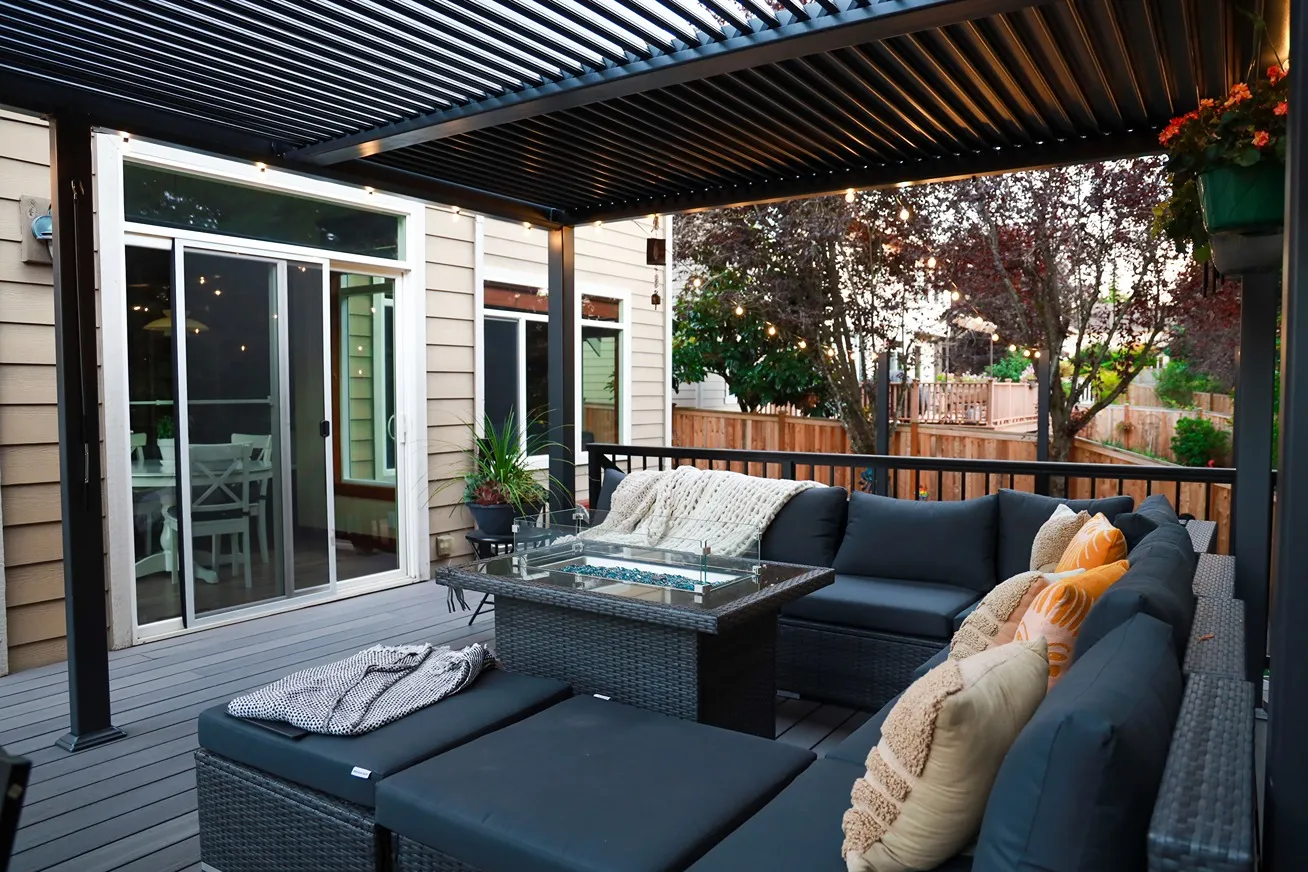

Professional landscape design typically costs between $1,900 and $7,300 for residential properties. The final cost depends on yard size, complexity, and designer credentials.
The average landscaping cost per square foot ranges from $4 to $12 for most residential projects. Hardscape-heavy builds sit at the higher end of that range.
A backyard renovation cost in Greater Seattle typically falls between $8,000 and $40,000 or more. Full design-build remodels with premium finishes can exceed $75,000.
Phasing the project, choosing drought-tolerant plants, using locally sourced materials, and handling small jobs yourself are the most effective ways to keep landscaping project costs affordable.
Yes. Well-designed landscaping can increase property value by 5% to 12%. Functional outdoor living spaces, mature planting, and strong curb appeal all contribute to a higher return.

Serving Bellevue and the Eastside homeowners with custom outdoor living spaces. One process, one team, one result.
Contractors License : ANGKOI*750PA