Patio installation cost Seattle projects can vary widely, and this guide breaks down real numbers by material for confident budgeting.
August 2, 2026
•
9-minute read
Patio installation cost Seattle homeowners can expect varies more than most national cost guides suggest. Our clay-heavy soil, wet climate, and sloped lots all add real line items that flatter national averages skip entirely. At Angkorscape, we build that reality into every quote from the start. This guide breaks down what patios actually cost here by material, plus the site-specific factors that push a number up or down. Note this covers ground-level patio construction, not the cost to install a patio door, which is a separate project entirely.
Patio installation cost Seattle projects generally fall between $8 and $50 per square foot installed, depending heavily on material choice. A basic poured concrete patio sits at the low end, while premium porcelain or natural stone sits at the high end.
Labor in Seattle often runs 15% to 25% above the national average, largely due to demand and the extra site preparation our climate requires. Materials have the biggest effect on your overall budget, but site conditions and design complexity both move the number significantly from there.
So how do these numbers break down in practice? The cost of poured concrete patio construction typically starts lowest, since plain concrete requires less material and simpler labor than jointed surfaces. A stamped or decorative finish adds cost on top of that base price, and premium materials like natural stone or porcelain sit well above concrete on a per square foot basis. Understanding where your project falls on that spectrum before you request quotes makes it much easier to spot a bid that seems unusually high or suspiciously low.
Paver patio cost per square foot depends almost entirely on which material you choose. Here is a general breakdown of what different patio materials typically run in the Greater Seattle area.
💡 Pro Tip: A DIY paver patio can run $5 to $12 per square foot for materials alone, but factor in your own labor, equipment rental, and the risk of skipping proper base preparation before deciding that route.
Paver patio installation cost naturally sits higher than a basic concrete slab, since jointed materials take more time and labor to place correctly. Most homeowners spend $6,000 to $15,000 on a full paver patio project. A basic paver patio runs $3,000 to $6,000 for a smaller 150 to 250 square foot space, mid-range projects land around $7,000 to $14,000 for 250 to 450 square feet, and high-end builds can reach $18,000 to $35,000 for larger 400 to 800 square foot spaces with premium materials.
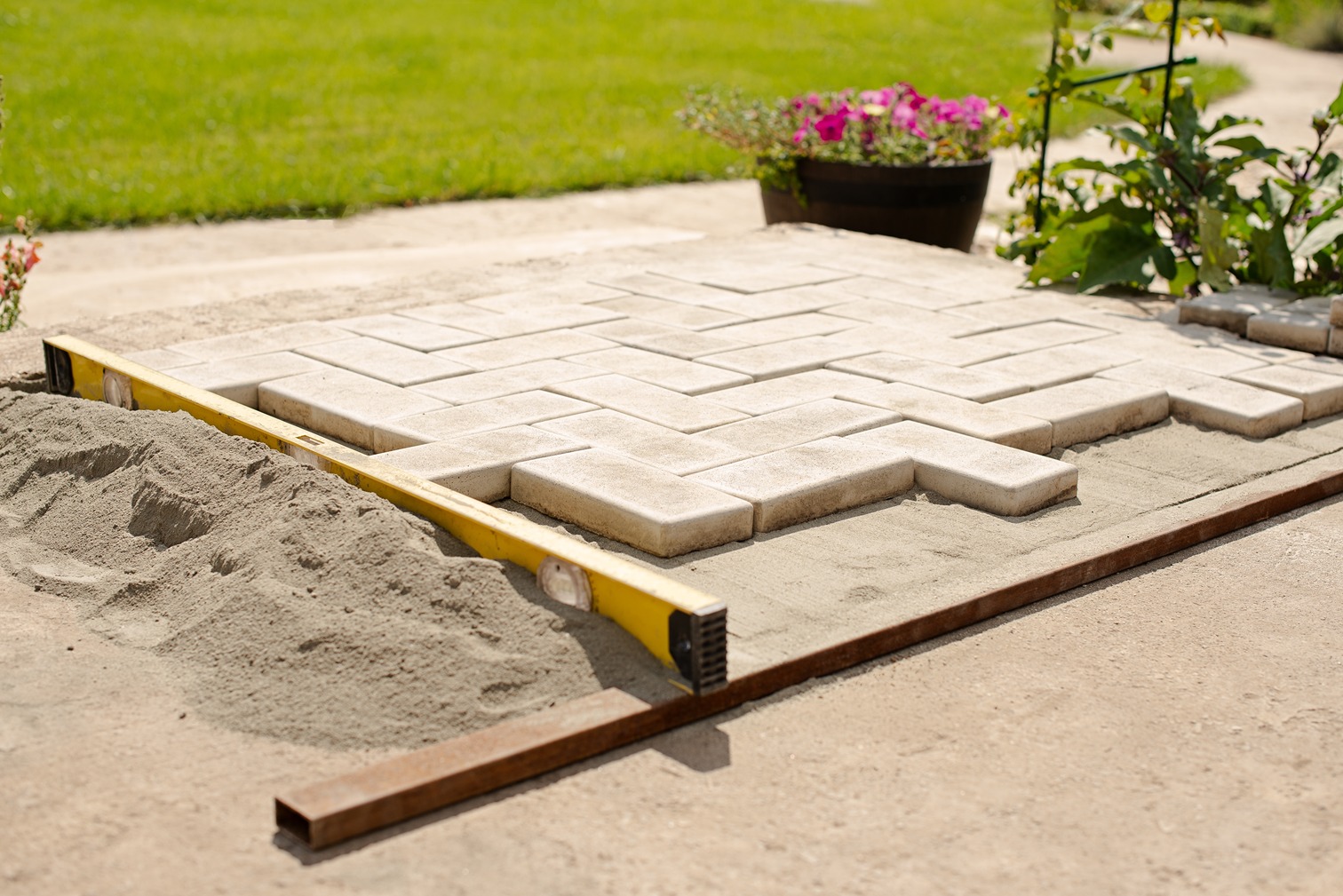
The cost of concrete patio installed work is generally lower upfront than the cost to install paver patio surfaces, though the gap narrows once you account for long-term maintenance and repairs.
A basic concrete patio costs less initially, but concrete pavers tend to age more gracefully in our wet, clay-heavy conditions since the jointed design flexes with ground movement instead of cracking as one solid piece.
The cost of poured concrete patio work can climb quickly once you add reinforcing materials like rebar or wire mesh, a broom finish or other decorative surface finish, and proper site prep for our clay-heavy soil. A plain concrete slab without those extras is the most affordable option on paper, but it is also the option most likely to crack within a few years without them. The cost to install paver patio surfaces, by comparison, already includes a compacted base and edge restraints as standard practice, since pavers simply will not hold their shape without that groundwork.
For homeowners comparing the cost of concrete patio installed against pavers side by side, the honest answer is that concrete wins on day one and pavers often win over a decade of ownership, thanks to lower repair costs and easier spot fixes.
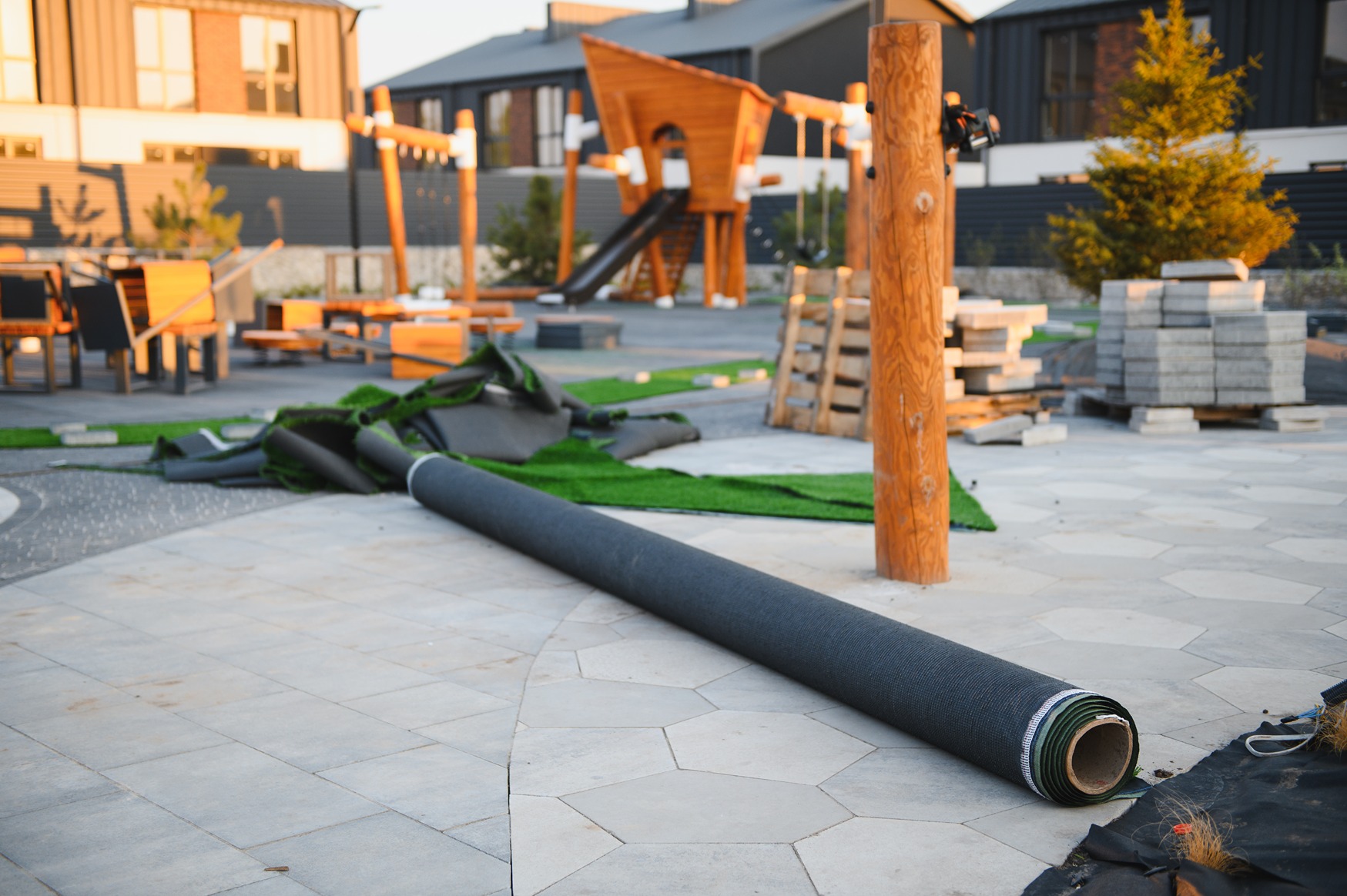
A detailed quote protects you from surprise costs once work begins. Before signing anything, confirm the quote accounts for:
A low bid that skips several of these line items is not necessarily a bargain. It often means the actual cost of concrete patio installed work or the true cost to install paver patio surfaces will surface later as a change order, once the crew is already on site and you have less leverage to push back. This is also where the cost of poured concrete patio work gets underestimated most often, since a thin, unreinforced slab looks identical to a properly built one until the ground shifts after a wet season.
Seattle's site conditions add real costs that flatter national averages simply do not include. Clay-heavy soil, wet weather, and sloped lots are the three biggest factors.
Excavation and grading are often bigger expenses here than in drier, flatter regions, since our soil needs more preparation to stay stable through the wet season. A sloped lot in Bellevue or Newcastle can add retaining wall work that a flat lot never needs. Proper drainage, including built-in linear drains, is standard on a quality Pacific Northwest patio build rather than an optional upgrade, which adds cost compared to a patio built in a drier climate.
Permit requirements vary by city and county, so always check with your local municipality before starting. Seattle, Bellevue, and Kirkland can all require permit review for larger or structural patio projects, and factoring that timeline and cost in early avoids an unwelcome surprise partway through planning.
Getting an accurate number does not require guesswork. Follow this sequence before you start collecting quotes.
💡 Pro Tip: If two quotes for the same patio size come in far apart, ask what each one includes for base preparation and drainage. That gap is almost always where the difference lives. If you would rather skip the guesswork, schedule a consultation and get a real number for your specific site.
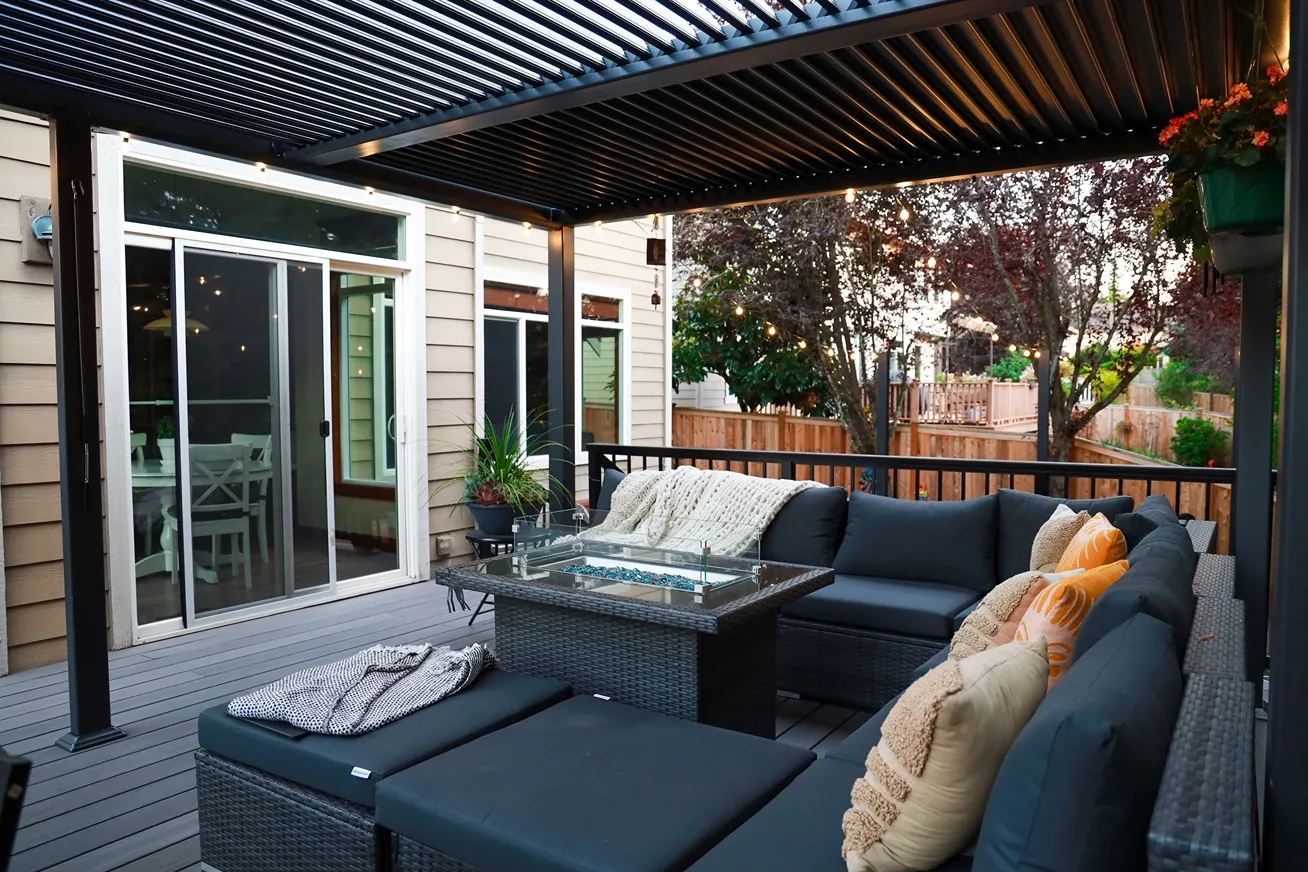
Patio cover installation cost varies widely depending on the type of structure you choose. A simple retractable awning costs far less than a full roof extension or a built-in fire pit paired with a covered seating area.
Adding any kind of cover, whether a pergola or a solid roof structure, extends how many months of the year you actually use the space. It also adds its own foundation, drainage, and structural requirements on top of the base patio cost, so budget for it as a separate line item rather than an afterthought.
Since patio cover installation cost depends so heavily on structure type and size, it is worth deciding early whether a cover is part of your first phase or a future addition. Planning the patio foundation with a future cover in mind, even if you do not build it right away, is far cheaper than retrofitting one later.
Browse our completed outdoor living projects to see how covered patio structures work alongside paver and stone surfaces in real Seattle backyards.
A few line items get missed more often than any others when homeowners build their own patio budget:
Every property is different, and the real number for your yard depends on material, site conditions, and design complexity working together. Our hardscaping services are built around getting that number right from the first site visit, not guessing from a square footage formula alone.
The most accurate way to budget is still a real site assessment rather than a generic calculator. You can browse completed patio projects to see how these cost factors play out on real Seattle properties, from a simple ground-level slab to a full outdoor living space with a fire pit and covered seating area.
Whatever material and scope you land on, the goal is the same: a patio that holds up through years of Pacific Northwest winters, built on a foundation that was priced correctly the first time.
Patio installation cost Seattle homeowners can expect depends heavily on material, site conditions, and design complexity, more than any single number can capture. Concrete offers the most affordable entry point, while pavers, natural stone, and porcelain trade a higher upfront cost for lower long-term maintenance. Getting two or three detailed quotes, and reviewing our design and build process, remains the best way to protect your budget. If you want an accurate number for your own property, reach out to Angkorscape and we will walk your site with you.


Paver patio installation cost generally runs higher than basic poured concrete, mainly due to material and labor. Paver patio installation cost also depends on patio size, paver type, and site conditions like slope and access.
Poured concrete and decomposed granite are generally the most affordable upfront. Natural stone and porcelain pavers cost more initially but often require less long-term maintenance.
Yes, a sloped lot typically requires additional grading or retaining wall work compared to a flat, accessible site. Site access also affects how much labor a project requires.
Permit requirements vary by city and county, so always check with your local municipality first. Larger or structural patio projects are more likely to require review than a small ground-level patio.
This is a different project from patio construction, since a patio door is an entry point built into the home rather than an outdoor surface. Costs depend on size, material, and whether it replaces an existing opening.
Serving Bellevue and the Eastside homeowners with custom outdoor living spaces. One process, one team, one result.
Contractors License : ANGKOI*750PA




.png)

