August 2, 2026
•
10-minute read
Using your backyard through every season sounds like a stretch in a city known for gray skies and steady rain. But the truth is simpler than most homeowners expect. At Angkorscape, we design an outdoor living space Pacific Northwest homeowners can actually use across Greater Seattle, built to perform just as well in January as it does in July. This guide walks through what actually makes that possible, from decking material to patio covers to the small details most people overlook.
Comfortable outdoor living in a wet climate comes down to three things: materials that do not degrade in moisture, a structure that manages rain and wind, and a layout that still feels inviting when it is fifty degrees outside. Skip any one of these and the space quietly turns into a six month yard instead of one built for everyday use.
So what actually changes the equation? It is rarely one big feature. It is usually a combination of durable materials, a well placed heat source, and enough shelter that stepping outside does not feel like a gamble against the weather. Careful detailing in how these pieces fit together, not any single product, is what separates a space that gets used from one that sits empty most of the year.
Composite decking generally resists warping, curling, and fading better than most traditional wood options, which makes it a strong fit for a backyard that sees rain most months of the year. Wood can still work, but it asks more of you in return.
Homeowners searching for the best composite decking for wet climates should look for boards that are capped on all sides and rated for high moisture exposure. These boards resist warping after repeated soaking, unlike lower grade composite that can curl after just a few weeks of steady rain. The best composite decking for wet climates also tends to carry a longer manufacturer warranty, which is a useful signal of long term performance.
💡 Pro Tip: Ask any contractor to show you the best composite decking for wet climates they install most often, and ask to see a board that has been outside for a few years, not just a fresh sample.
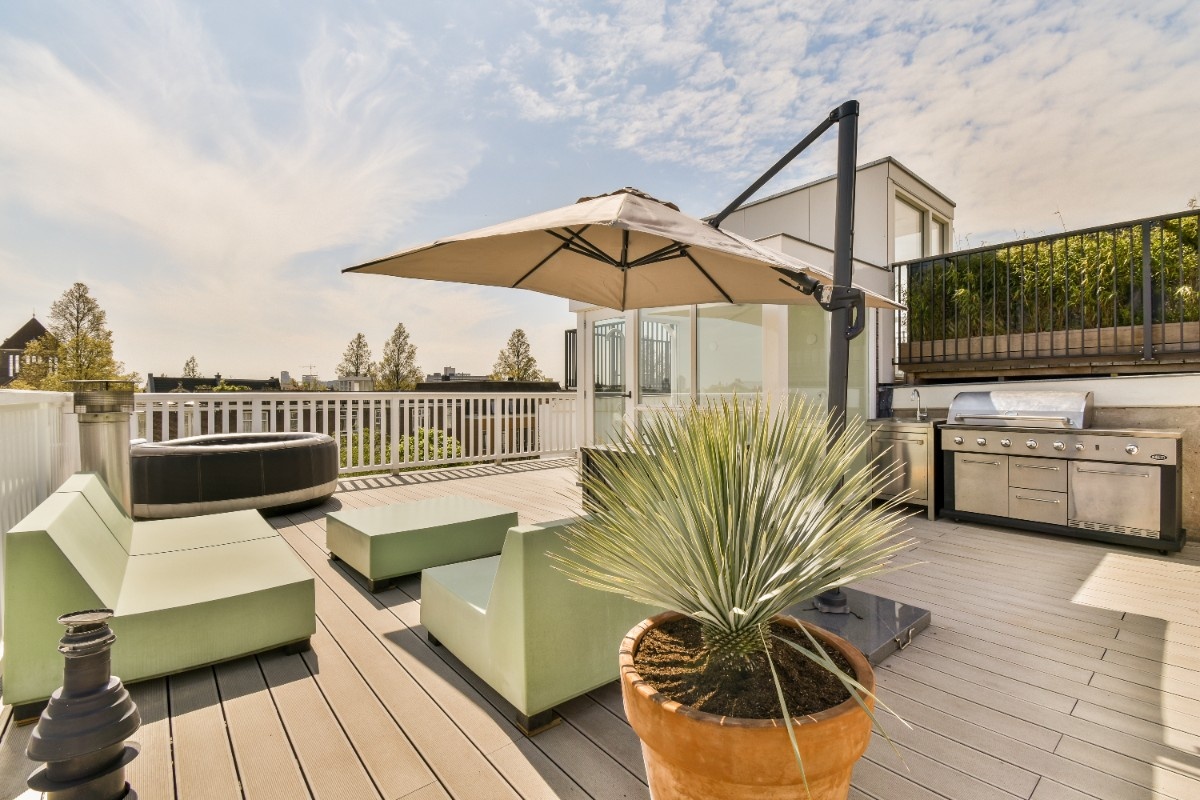
A good patio cover keeps rain off without making the space feel closed in, and that balance is the whole point. The right backyard patio cover ideas depend on your yard, your budget, and how much light you want to keep.
Good backyard patio cover ideas also account for energy efficient choices, like a roof extension that shades a dining table in summer while still letting in enough natural light on gray winter days. Clean lines and thoughtfully designed rooflines keep the addition feeling like a natural extension of the house rather than an afterthought.
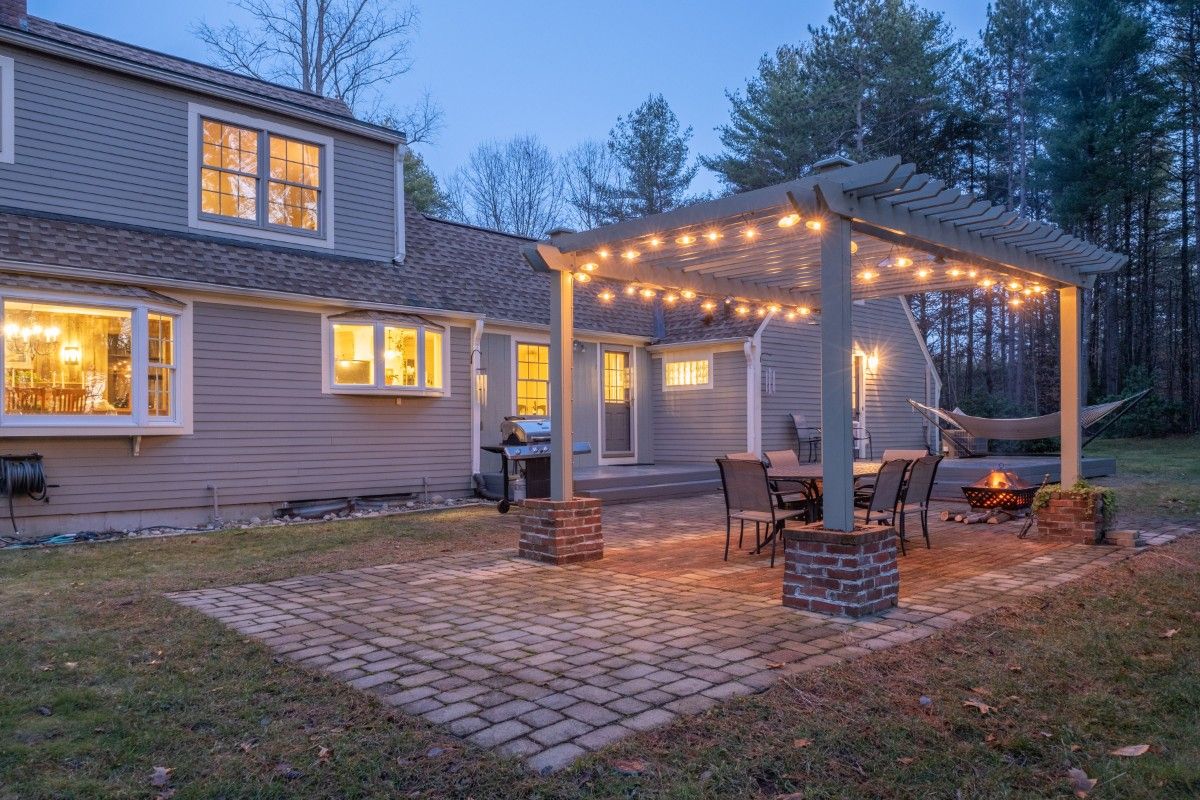
A year round backyard greenhouse gives you a controlled space to keep plants going well past the point when an open garden bed would give up. For homeowners who care about growing things as much as gathering outside, this is a meaningful addition.
Even a small year round backyard greenhouse extends your growing window and gives container gardening a real home during the wetter months. Pair it with a covered patio nearby and the whole backyard starts to feel like a natural extension of the house instead of a space you only visit in summer.
Turning backyard remodeling ideas for year-round comfort into an actual plan does not need to be complicated. Here is a sequence that works for most Seattle properties.
💡 Pro Tip: Tackle these backyard remodeling ideas for year-round comfort in this order. Doing lighting or furniture before drainage and structure is a common way projects go over budget. You can see how this sequencing works in practice in our design and build process.
Material performance matters more in the Pacific Northwest than almost anywhere else, since freeze and thaw cycles combined with constant moisture test everything in a backyard. Some materials handle it well. Others crack, shift, or grow moss within a season or two. Our hardscaping services are built around exactly this kind of material selection.
An outdoor living space Pacific Northwest homeowners can actually enjoy through the winter starts with material selection like this, not with furniture or decor. Get the base layer right and everything built on top of it performs better for longer. This is also where clean lines and low maintenance choices pay off, since a hardscape that needs constant upkeep quickly stops feeling like a natural extension of the home.
Not every contractor builds for year round use, and that distinction matters. The covered patio contractors Seattle homeowners should trust are the ones who design for the rainy season first, not just for a nice photo in July. Covered patio contractors Seattle residents rely on most often are the ones willing to talk through drainage and material choices before they ever mention style.
If you want a second opinion on your own site, you can schedule a consultation and walk through what a covered, year-round design would actually look like for your yard.
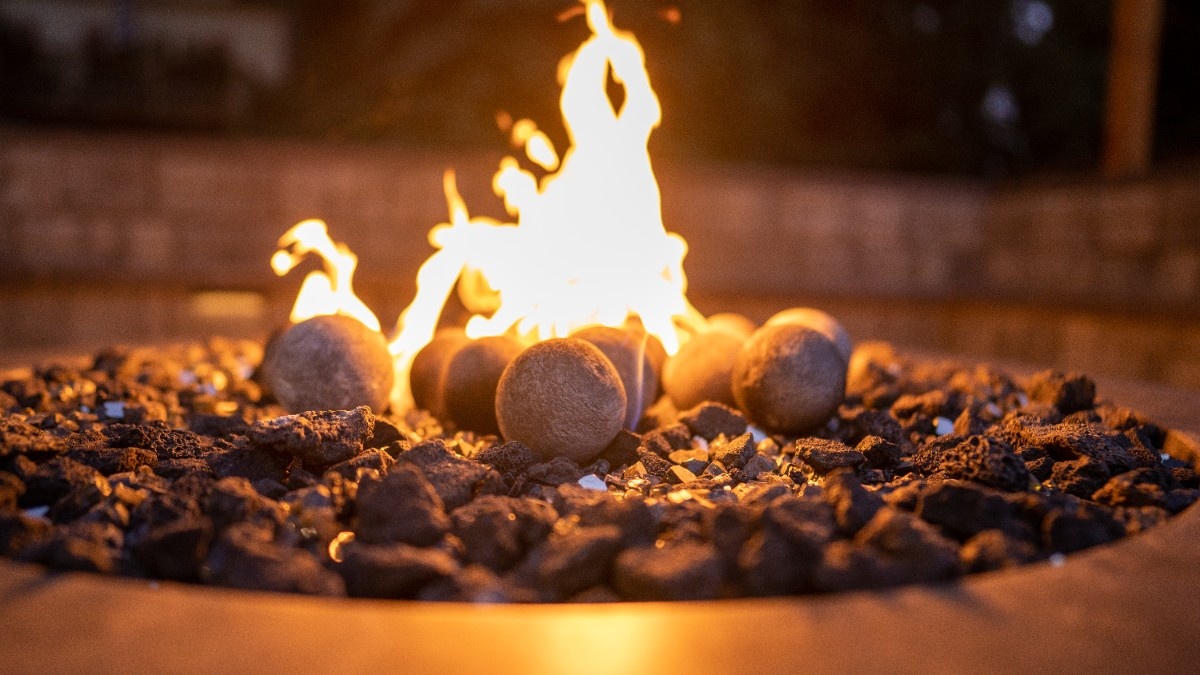
A heat source and good lighting do more to extend usable hours than almost any other addition to a backyard. A fire pit or fire table adds warmth on cool evenings, while a gas option gives instant heat without the wait.
Layered lighting matters just as much once the days get shorter. String lights, path lights, and a warm fixture near the seating area keep an outdoor room feeling inviting long after the sun goes down. Ceiling fans under a covered patio help manage heat in summer and keep air moving through damper months, which also helps materials dry out faster after rain. This kind of layered detail is what separates a true outdoor living space Pacific Northwest weather can actually test from one that only looks good in photos.
A few avoidable mistakes are responsible for most backyards that end up underused within a couple of years.
Every property is different, and the right combination of materials, cover, and features depends on your site, your budget, and how your family actually uses the space. A backyard remodel in Greater Seattle built with these priorities in mind performs the same in November as it does in July.
The trend in Greater Seattle reflects what is happening nationally: homeowners are investing more seriously in outdoor living than a decade ago, and the structural upgrades that make a space usable year-round — covered patios, durable decking, fire features, are increasingly where that budget goes.
Whether your goal is a quiet reading nook or a full outdoor kitchen and dining setup, the fundamentals stay the same: durable materials, smart cover, and a layout built for everyday use, not just the sunny months.
Year round outdoor living is less about luck with the weather and more about a few deliberate choices made early. Durable materials, the right cover, a heat source, and a bit of planning turn a seasonal backyard into a space your family actually uses all year, not just in the summer months. Whether you are focused on decking, a covered patio, or a full backyard remodel, the fundamentals stay the same. If you are ready to talk through what that could look like for your own property, reach out to Angkorscape and we will walk you through it.

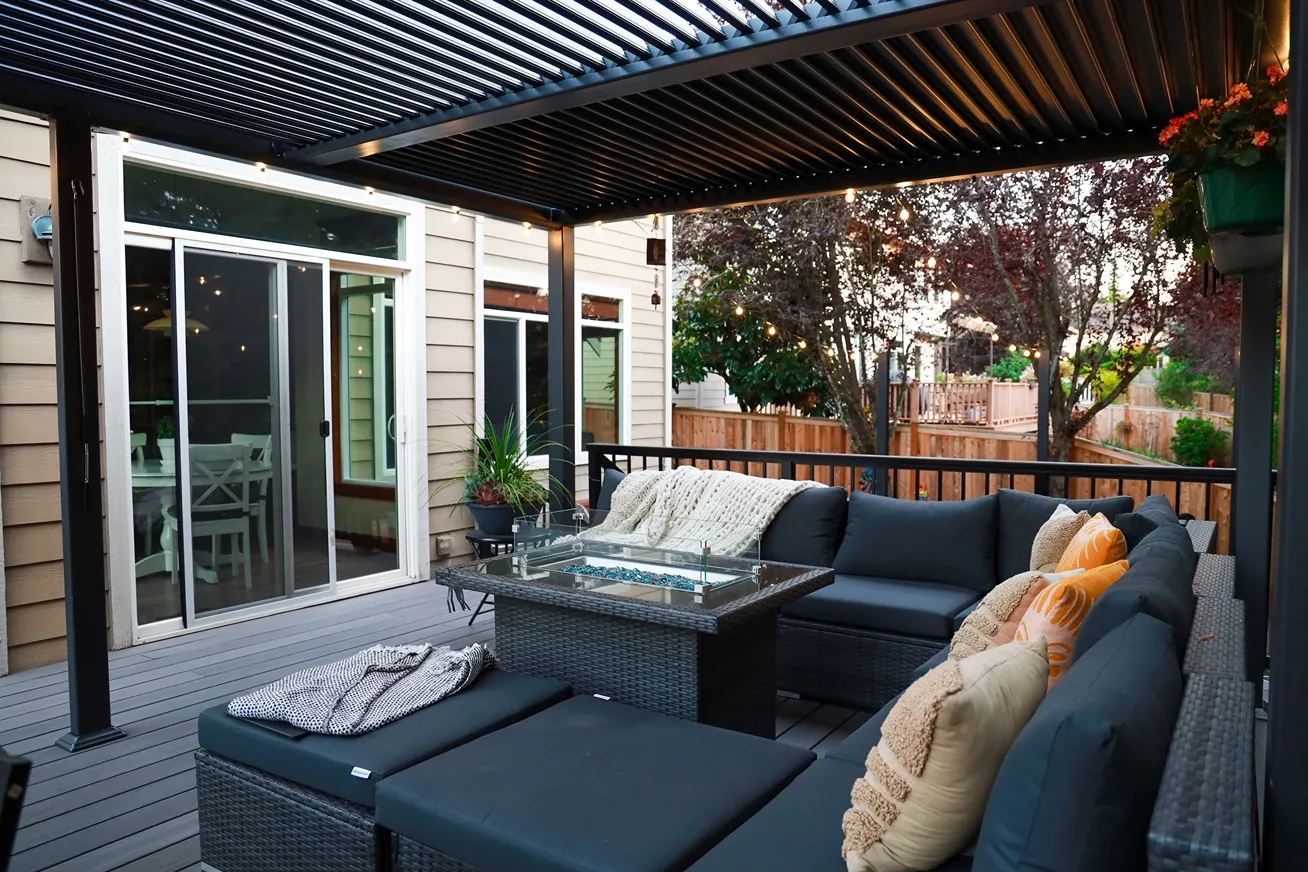

A covered structure, a heat source, proper drainage, and durable materials are the core ingredients. Skip any one and the usable season shrinks fast.
Composite decking generally resists warping and moisture damage better than most wood, with less upkeep. Cedar or ipe can still perform well but need more care.
Quality acrylic patio cover systems are commonly rated to maintain around 90 percent light transmission for many years. That keeps a covered patio from feeling dark.
It is not required, but a fire pit meaningfully extends how many evenings you spend outside. Wind protection and placement matter as much as the feature itself.
Ask how they handle drainage, what roofing materials they recommend, and whether they manage the full project in house. Ask to see patios they built years ago.
Yes, even a small greenhouse gives plants a controlled environment that outlasts an open garden bed through wetter months. It pairs well with container gardening.

Serving Bellevue and the Eastside homeowners with custom outdoor living spaces. One process, one team, one result.
Contractors License : ANGKOI*750PA





.png)