Backyard improvements that add value are not guesswork, and this guide ranks the upgrades Seattle buyers notice and pay for.
August 2, 2026
•
10-minute read
Backyard improvements that add value are not just a nice bonus when you eventually sell. In a competitive market like Seattle, a well-designed outdoor space can be the detail that separates your listing from three similar homes on the same block. At Angkorscape, we see this play out on real properties across Greater Seattle. This guide ranks the improvements that consistently pay off, and flags the ones that sound impressive but rarely return what homeowners expect.
Yes, though the return depends heavily on which improvement you choose. Some backyard improvements that add value, like routine lawn care, return far more than their cost. Others, like a swimming pool, can actually work against you.
Industry ROI surveys consistently rank outdoor projects among the strongest performers in real estate, often outperforming interior remodels dollar for dollar. The catch is that not every backyard investment behaves the same way, so knowing where to focus your money matters more than how much you spend overall.
Seattle's market adds another layer to this. Buyers here are actively comparing homes with genuine outdoor living space, not just a lawn and a patch of grass. Key projects that range from structural features like a patio or retaining wall to simpler updates like fresh mulch and improved lighting all compete for the same limited renovation budget, so prioritizing correctly has a real financial impact.
Yes, and often by more than homeowners assume. Well maintained landscaping consistently ranks as one of the highest returning categories of home improvement, well ahead of many interior projects.
According to national industry surveys, routine lawn maintenance can return well over 100% of its cost at resale, making it one of the single best-performing investments a homeowner can make. Broader professional landscaping projects are commonly cited as adding somewhere between 5% and 20% to a home's value, depending on the quality of the work and how it compares to the rest of the neighborhood. On a $400,000 home, even the lower end of that range works out to meaningful money back at closing.
So why does landscaping increase home value by this much when it seems purely cosmetic? Appraisers and buyers both use visual appeal as a shortcut for how well a whole property has been cared for. A well maintained lawn, tidy garden beds, and healthy plants signal that the rest of the house has probably received the same attention, even before a buyer walks through the front door.
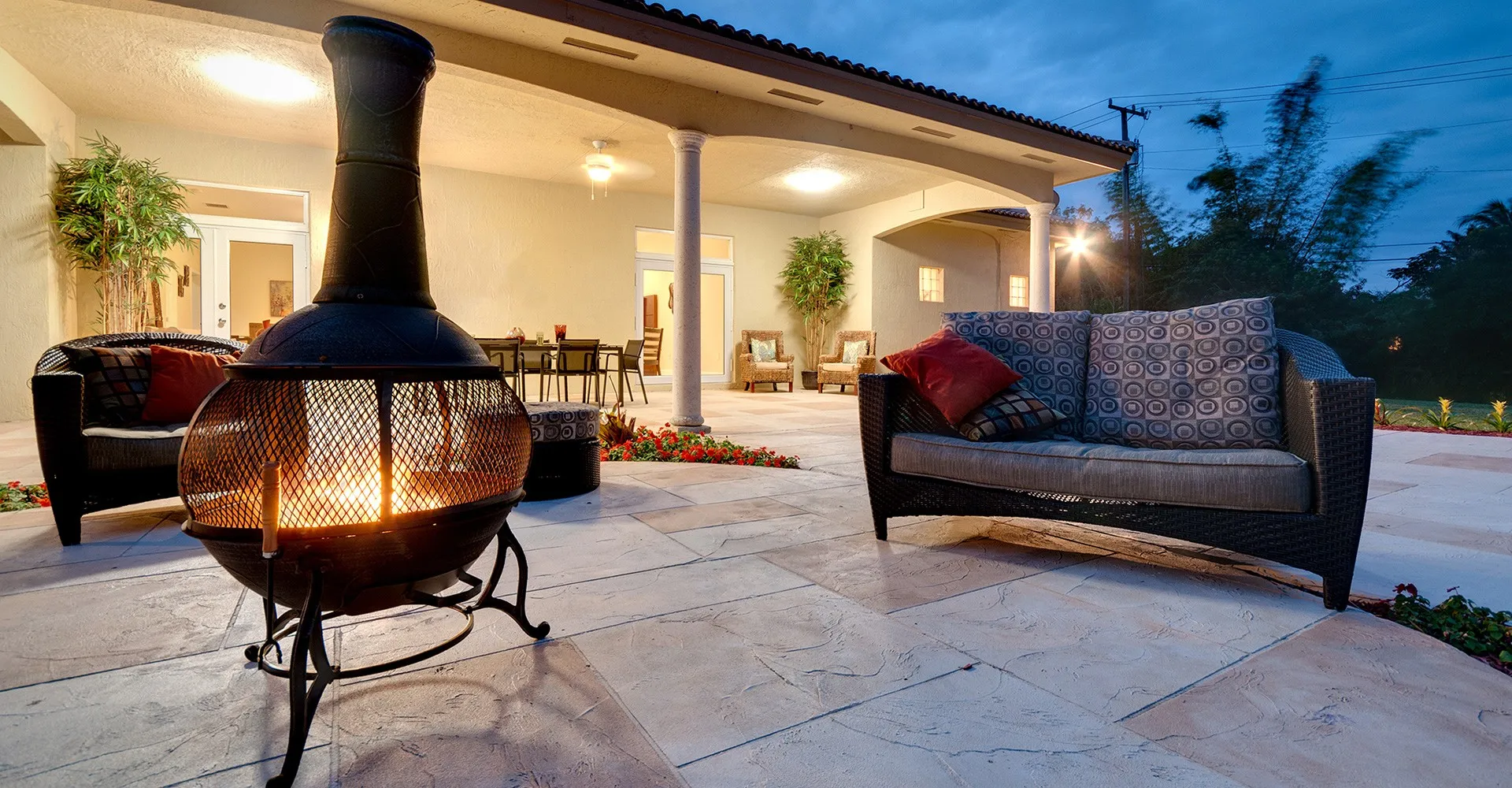
Both a paver patio and a wood deck add usable living space, but they perform differently at resale. A paver patio resale value tends to sit in a strong, consistent range, while decks can vary more depending on material.
The paver patio resale value advantage comes largely from lower ongoing maintenance and strong consistency across different cost reports, even though the reports themselves vary in their exact percentages. A deck can add real charm and often edges out a patio on percentage recovered, but the higher upfront material and labor cost narrows that gap in dollar terms.
💡 Pro Tip: Ask a local agent what a patio or deck adjustment typically looks like on an appraisal in your specific neighborhood, since these numbers shift by market more than almost any other project category.
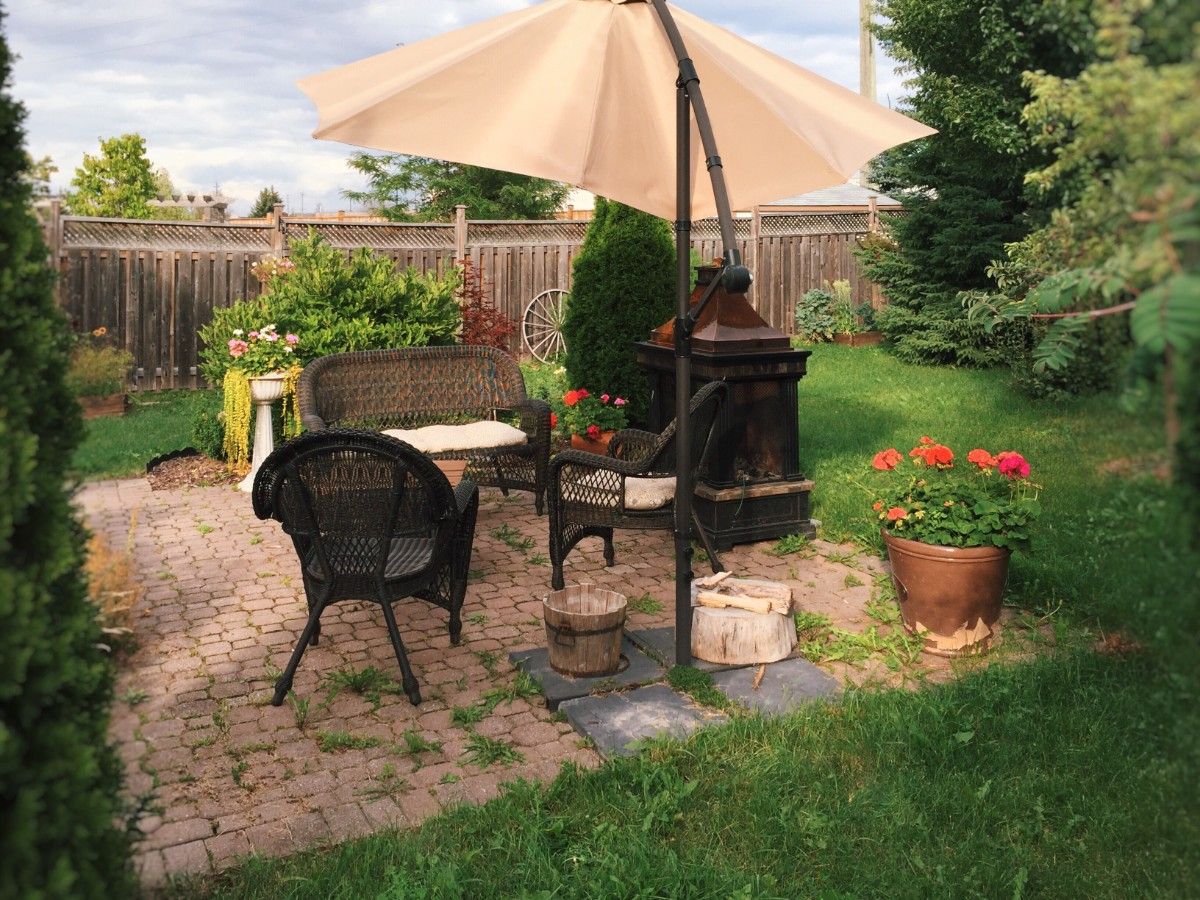
Certain features come up again and again when Eastside buyers describe what they want in an outdoor space. A few stand out clearly from the rest.
A professional planting plan built around native and low-maintenance plants tends to punch above its cost since it shapes the buyer's very first impression before they even reach the front door.
Deciding where to start does not need to be complicated. Here is a sequence that keeps your budget focused on the improvements most likely to pay off.
💡 Pro Tip: Resist the urge to reverse this order. A stunning outdoor kitchen next to a patchy, poorly drained lawn rarely impresses potential buyers touring the property. If you want a second opinion on where your own budget should go first, schedule a consultation and we will walk the property with you.
Yes, in most cases, especially where the alternative is a slope that cannot be used for anything. A retaining wall does more than hold back soil erosion. It turns wasted grade into usable living space.
So do retaining walls add value on every lot, even a flat one? Not really. The value comes specifically from unlocking space that was previously unusable, so the steeper and more wasted the grade, the more a wall tends to help.
On many Seattle area lots, a sloped backyard sits unused simply because there is nowhere flat enough for a patio, garden beds, or a play area. A well-built retaining wall changes that math directly, converting dead space into square footage buyers can actually picture themselves using. Our hardscaping services are built around exactly this kind of structural work.
Whether retaining walls add value in your specific case depends on how much usable space the wall unlocks. A small decorative wall along a flower bed adds visual interest but little functional space. A larger wall that converts a steep hillside into a flat, usable backyard tends to add far more, since it directly expands the livable footprint of the property.
Landscape design home value comes down to thoughtful landscaping that balances visual appeal and function, not just how many plants you add. A thoughtful design plan built by experienced landscape architects tends to outperform a pile of individually nice features.
Ornamental grasses, flower beds, trees, and a mix of native plants create visual interest without demanding constant upkeep, which buyers notice even if they cannot articulate exactly why a yard feels right. Many buyers prefer lower-maintenance planting choices that still look polished year-round.
Water features and outdoor lighting add ambiance, and low-voltage lighting in particular improves both security and curb appeal after dark. Eco friendly features can also fit naturally into the design, especially when they support long-term efficiency as well as style. A full backyard remodel that ties these elements together tends to outperform scattered, one-off purchases.
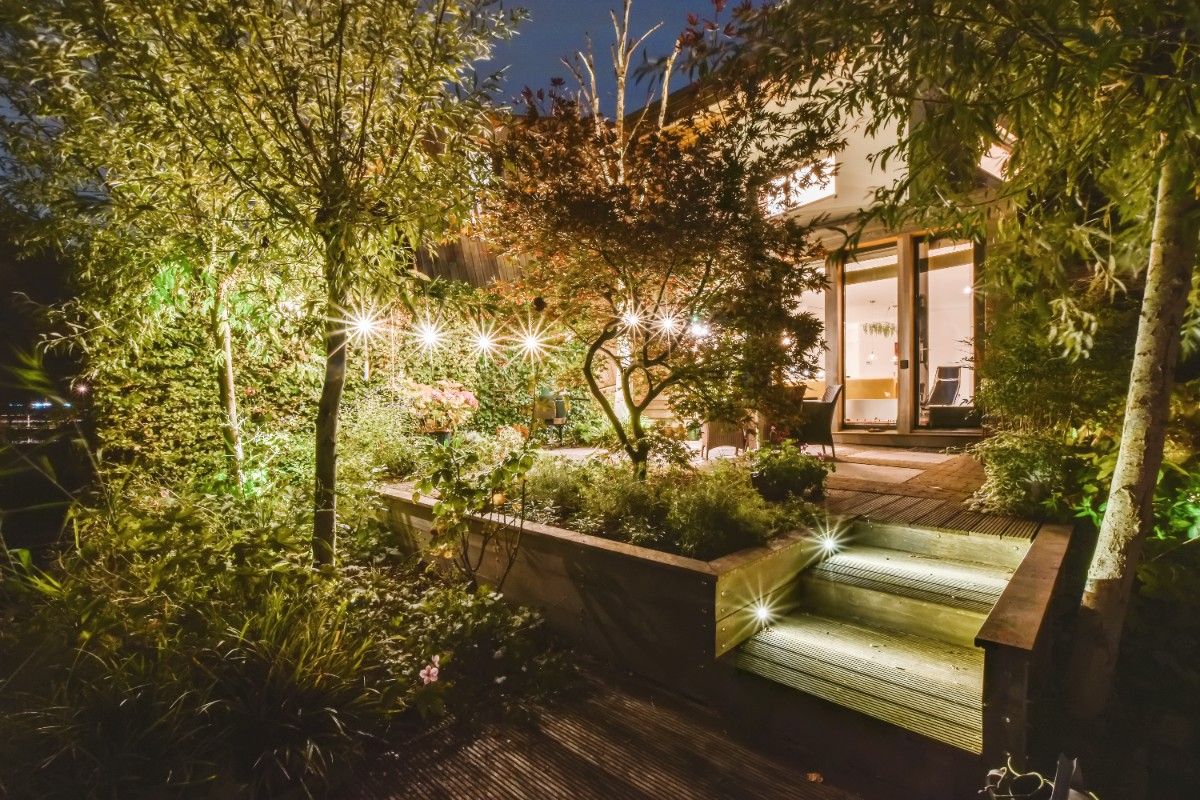
A useful rule of thumb is to decide your backyard budget based on your home's value, not on how much you want to spend. Spending far beyond what comparable homes in your neighborhood support rarely returns proportionally, no matter how nice the finished space looks. How much value backyard improvements add depends on the project and local comps.
For most homeowners, keeping backyard investment to a reasonable percentage of the home's overall value strikes the right balance between enjoyment now and resale benefit later.
A modest home in a modest neighborhood will not see the same dollar return from an elaborate outdoor kitchen that a similar project might see on a larger, higher-value property nearby, and overspending does not always lead to a higher price at sale. Matching your project scope to your neighborhood is one of the simplest ways to protect your investment.
Not every upgrade returns what homeowners expect, and a few are worth extra caution before you commit a large budget:
Every property is different, and the improvements that add the most value depend on your lot, your neighborhood, potential buyers, and your timeline. You can browse completed backyard transformations to see how these priorities play out on real Seattle properties, and review our design and build process to see how we sequence a project from first conversation to finished yard.
For a detailed walkthrough of how a full backyard transformation is scoped, designed, and built, our backyard remodel cost and process guide covers every stage.
Whether you are planning to sell soon or simply want to build equity over time, focusing on the fundamentals first protects your investment either way. Improvements that support spending time outdoors also tend to present well to buyers.
Backyard improvements that add value come down to a few consistent principles: even small upgrades can make a big impact when they improve function or presentation, so start with maintenance, add usable living space, and avoid over-customizing for your own taste alone. The improvements that perform best are rarely the flashiest ones, and matching your project to your neighborhood protects your return. Whether you plan to sell soon or simply want to build equity over time, the fundamentals buyers find most valuable are the safest place to put your budget. If you want an honest read on what would add value to your property, reach out to Angkorscape and we will walk your yard with you.

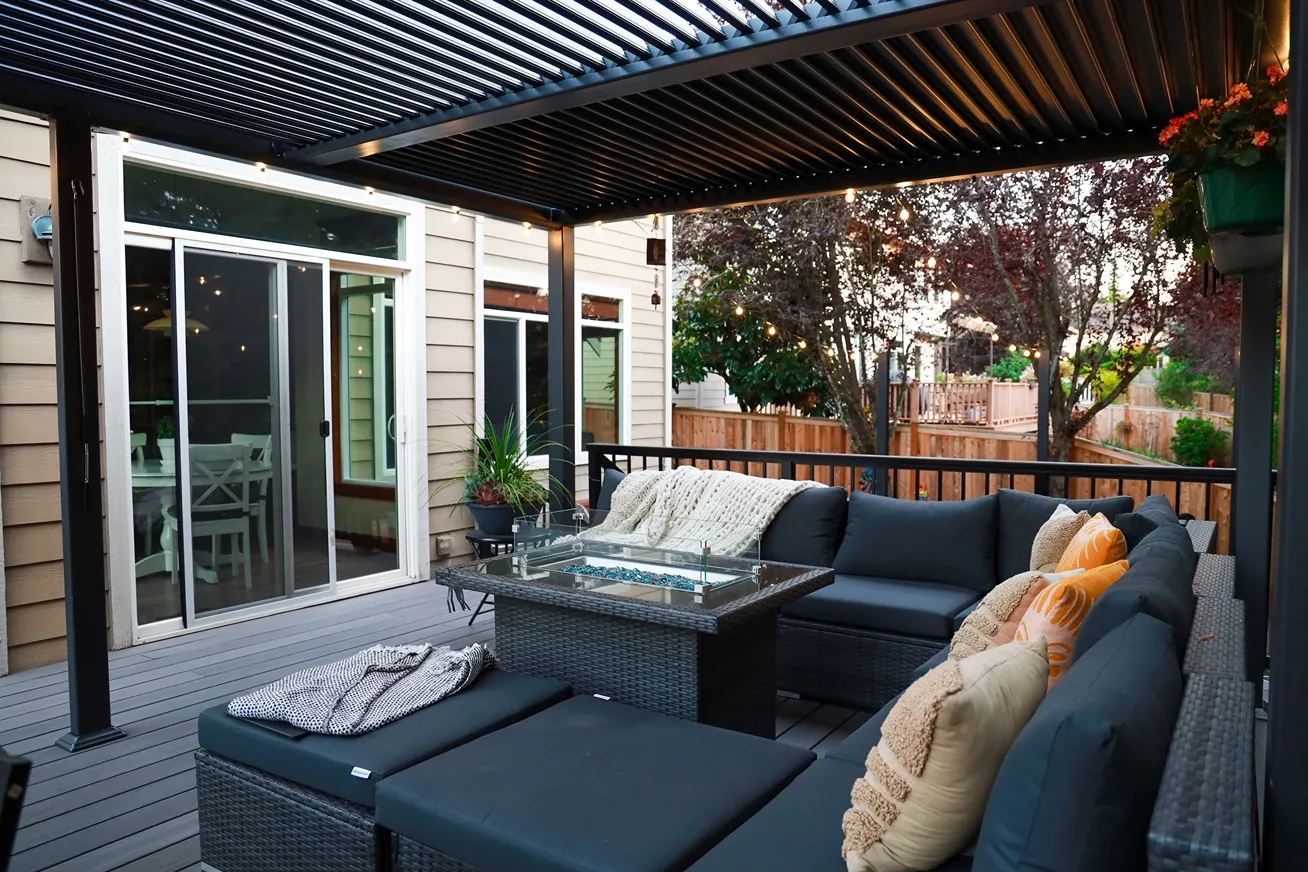

Yes, well maintained landscaping is consistently one of the highest returning home improvement categories nationally, and Seattle's competitive market rewards it further. A neat lawn and healthy plants create the first impression every buyer forms before stepping inside.
Paver patios commonly recover a solid majority of their installation cost at resale, and they add genuine usable living space buyers can picture themselves enjoying. The exact number depends on materials, size, and your specific market.
Yes, especially on sloped lots where a wall converts unusable grade into functional yard space. Beyond value, retaining walls also help manage drainage issues and prevent soil erosion.
Quality hardscaping, including patios, walkways, and retaining walls, consistently delivers a strong return by adding structure and usable space to a yard. It also tends to require less ongoing maintenance than plantings alone.
The strongest performers are usually routine maintenance, a well-designed patio or deck, and a professional planting plan focused on curb appeal. Higher-end features like outdoor kitchens add real buyer appeal but carry more variable returns.
Serving Bellevue and the Eastside homeowners with custom outdoor living spaces. One process, one team, one result.
Contractors License : ANGKOI*750PA




.png)

